It wasn’t the beer. It was the food. The heavy, honest food that grounds you when the world spins too fast. I remember sitting on a wooden bench, knees knocking together against the chill, watching steam rise from a massive iron skillet held by a man with forearms like tree trunks. He wasn’t cooking with precision timers or kitchen scales. He was cooking by feel, by the sizzle, by the smell.
That smell. It’s not just smoke. It’s the sweet caramelization of onions meeting the briny punch of sauerkraut, all wrapped around the earthy, garlicky snap of fresh bratwurst. It hits you in the chest. It feels like a hug from someone who knows you’ve had a long week. I’ve tried to recreate that feeling a hundred times since, traveling through different kitchens and testing different methods. Some were too fancy, some were too bland. But this one? This skillet version? It’s the closest I’ve come to that memory without booking a flight to Germany.
There’s something comforting about one-pan meals when the weather turns. You know how it goes. The leaves start falling, the air gets crisp, and suddenly you don’t want to spend an hour standing over a stove. You want warmth. You want flavor that doesn’t require a PhD in culinary arts. This Easy Oktoberfest Bratwurst Skillet is exactly that. It’s messy in the best way, rustic, and deeply satisfying.
I made this last Tuesday night because I was tired. Really tired. I threw everything into a cast iron pan, let it simmer while I folded laundry (yes, really), and by the time dinner was ready, the house smelled like a Bavarian tavern. My family didn’t even complain about the mess. They just dug in. That’s the kind of recipe that sticks with you. It’s not just dinner; it’s a moment of pause. A quiet realization that sometimes, the best meals are the ones that require the least effort but give the most comfort. Let’s get cooking.
Why You’ll Love This Recipe
Look, I’ve been in the kitchen for a long time. I’ve worked in professional kitchens where every second was timed, and I’ve cooked in home kitchens where the only timer was my stomach rumbling. This recipe sits right in that sweet spot between professional technique and home-cook ease. It’s not just another sausage recipe; it’s a lesson in balancing flavors without overcomplicating things.
Here is why this skillet deserves a permanent spot in your weekly rotation:
- Quick & Easy: You’re looking at about 30 minutes from start to finish. That’s it. Perfect for those weeknights when you’re craving something hearty but don’t have hours to spare. It’s faster than ordering takeout and tastes a thousand times better.
- Simple Ingredients: You don’t need to drive to three different specialty stores. The bratwurst, the sauerkraut, the onions, the beer — these are things you likely already have or can grab in one stop. No fancy grocery trips needed.
- Perfect for Fall Entertaining: Whether it’s a cozy dinner for two or a game-day spread with friends, this dish is a crowd-pleaser. It’s rustic enough for a picnic but elegant enough to serve to guests without feeling like you’re trying too hard.
- Crowd-Pleaser: Kids who usually pick at their food will devour this. The sweetness of the onions and the tang of the kraut mask the “health” aspect, making it a sneaky win for picky eaters. Adults love the depth of flavor.
- Unbelievably Delicious: The texture combo is next-level. You get the snap of the sausage, the soft melt of the onions, and the chewy tang of the kraut. It’s comfort food reimagined—simpler, faster, but with the same soul-soothing satisfaction.
What makes this different from the rest? A lot of recipes boil the brats first, which can make them mushy. I skip that step. By searing them directly in the pan, we get that crucial Maillard reaction — that brown, crispy exterior that holds all the flavor. Then, we deglaze with beer, which lifts all the stuck-on bits (the fond) and creates a sauce that coats everything. It’s a technique I learned the hard way after years of soggy sausages. This isn’t just another version; it’s your best version.
This recipe isn’t just good—it’s the kind that makes you close your eyes after the first bite. It taps into that primal need for warmth and salt. It’s perfect for impressing guests without stress, or turning a simple meal into something memorable. Honestly, it’s the kind of meal that makes you want to call your mom and tell her you’re doing okay.
What Ingredients You Will Need
This recipe uses simple, wholesome ingredients to deliver bold flavor and satisfying texture without the fuss. The magic here is in the balance. You don’t need expensive cuts of meat or rare spices. You need quality basics that play well together. The sauerkraut provides acidity to cut through the richness of the sausages, while the onions add sweetness that bridges the gap. It’s a harmonious trio that has been perfecting itself for centuries.
Here is what you need to grab before you start heating up the pan:
- Bratwurst Sausages: Aim for 1 pound of fresh, raw bratwurst. Avoid the pre-cooked ones if you can help it; they lack that fresh snap. I recommend ButcherBox or your local butcher for the best quality. Look for natural casings if possible.
- Sauerkraut: One 14-ounce jar or bag. Drain it well, but save a little of the juices! This is crucial. The brine adds that signature tang. If you can find organic, unpasteurized sauerkraut in the refrigerated section, even better—it has more live cultures and flavor.
- Yellow Onions: Two medium-large onions. You want these sliced thin. They will caramelize and become sweet, balancing the sharp kraut.
- Beer: One 12-ounce bottle of lager or pilsner. A German-style lager like Stella Artois or Hoegaarden works well. Don’t use a dark stout; it’ll overpower the dish. The alcohol cooks off, leaving behind a malty depth.
- Butter: Two tablespoons of unsalted butter. This helps with the browning and adds richness.
- Dijon Mustard: One tablespoon. Not ketchup! Dijon adds a sophisticated sharpness that pairs perfectly with pork.
- Sweet Paprika: One teaspoon. This adds color and a mild warmth without the heat of chili powder.
- Garlic: Three cloves, minced. Fresh is non-negotiable here. Powdered garlic just won’t cut it for this level of flavor.
- Caraway Seeds: One teaspoon. This is the secret ingredient that screams “Oktoberfest.” If you hate caraway, you can skip it, but I highly recommend giving it a try.
- Salt and Black Pepper: To taste. Remember, the sauerkraut and mustard are already salty, so taste before you add more.
If you’re looking to substitute, you can use turkey brats for a lighter option, though the flavor profile will be milder. For a gluten-free version, just ensure your beer and mustard are certified gluten-free. I also like to add a splash of apple cider vinegar if the kraut isn’t tangy enough—it brightens the whole dish.
Equipment Needed
You don’t need a fancy kitchen to make this work. In fact, the right equipment makes the difference between a soggy mess and a crispy masterpiece. Here is what you’ll need:
- Cast Iron Skillet: This is the gold standard. It holds heat incredibly well, which helps in searing the brats evenly. If you don’t have one, a heavy-bottomed stainless steel or non-stick skillet works too. Just avoid thin aluminum pans that warp easily.
- Sharp Chef’s Knife: For slicing the onions and mincing the garlic. A dull knife is dangerous and makes quick work of this recipe impossible.
- Tongs:
- Measuring Spoons: For the paprika, caraway, and mustard. Precision helps balance the flavors.
- Colander: To drain the sauerkraut. You don’t want your skillet to turn into a soup.
I’ve learned the hard way that a cold skillet is the enemy. Always let your cast iron heat up gradually. If you’re using a non-stick pan, make sure it’s in good condition; scratches can lead to sticking when you’re trying to get that nice brown crust on the brats. A little maintenance goes a long way.
Preparation Method

Let’s get into the nitty-gritty. This process is straightforward, but timing is everything. Follow these steps closely, and you’ll have a restaurant-quality meal in no time.
- Prep the Ingredients (5 minutes): Start by slicing the onions into thin half-moons. Mince the garlic. Slice the bratwursts lengthwise but not all the way through—this helps them cook evenly and creates more surface area for browning. Drain the sauerkraut in a colander, pressing out excess liquid with a spoon. Reserve about 2 tablespoons of the kraut juice.
- Heat the Pan (2 minutes): Place your cast iron skillet over medium-high heat. Add the butter. Wait until it foams and subsides slightly. This indicates the pan is hot enough to sear.
- Sear the Brats (8-10 minutes): Lay the bratwursts in the skillet. Do not overcrowd the pan. If you have a large skillet, you can fit them all; if not, do it in batches. Cook for 3-4 minutes per side until they are deeply browned. You want a nice crust. Remove them to a plate and set aside. Don’t wipe out the pan; those brown bits (fond) are flavor gold.
- Caramelize the Onions (5 minutes): Reduce heat to medium. Add the sliced onions to the same skillet. Sprinkle with a pinch of salt to help draw out moisture. Cook, stirring occasionally, until they are soft and golden brown. This should take about 5 minutes. If they start to burn, lower the heat.
- Add Aromatics (1 minute): Add the minced garlic, paprika, and caraway seeds to the onions. Stir constantly for about 60 seconds. The garlic will become fragrant very quickly. Watch it closely; burnt garlic tastes bitter.
- Deglaze and Simmer (5 minutes): Pour in the beer and the reserved sauerkraut juice. Use a wooden spoon to scrape up all the brown bits from the bottom of the pan. Let it bubble for 2 minutes to reduce slightly. Then, add the drained sauerkraut and the Dijon mustard. Stir to combine.
- Finish Together (5 minutes): Return the bratwursts to the skillet, nestling them into the kraut mixture. Cover the skillet with a lid (or foil if you don’t have a lid). Let it simmer on low-medium heat for 5 minutes. This heats the sausages through and allows them to absorb the flavors of the kraut and beer.
- Final Sear and Serve: Remove the lid. If there’s too much liquid, let it boil off for a minute. Serve immediately, spooning the kraut and onions over the sausages.
A quick troubleshooting tip: If the sausages are browning too fast but the inside is still raw, finish them in a 375°F (190°C) oven for 10 minutes. This ensures they are cooked through without burning the outside.
Cooking Tips & Techniques
Even simple recipes have tricks. Here are some insights from my own kitchen failures and successes to help you nail this every time.
Don’t Skip the Sear: I know it’s tempting to just boil the brats, but searing creates texture. Without that crispy exterior, the dish feels one-dimensional. Take the time to get that brown crust.
Manage the Heat: Cast iron retains heat like crazy. If you’re using one, once you take it off the burner, it’s still cooking. Remove the sausages a minute earlier than you think you should to prevent overcooking.
The Beer Choice Matters: Avoid bitter IPAs. They will make the dish taste harsh. Stick to lagers, pilsners, or wheat beers. They add sweetness and maltiness that complements the pork.
Drain the Kraut Well: Sauerkraut is watery. If you don’t drain it, your skillet will be soupy. Press it down with a spoon to get as much liquid out as possible before adding it to the pan.
Multitask Smartly: While the onions are caramelizing, you can prep the garlic and measure the beer. Efficiency is key to keeping dinner on the table by 7 PM.
I once burned a batch of onions because I got distracted by a phone call. Lesson learned: stay present in the kitchen. The smell of burning onions is a mood killer. Keep an eye on them, and you’ll be rewarded with sweet, jammy perfection.
Variations & Adaptations
Flexibility is what keeps cooking fun. Here are a few ways to twist this classic recipe to suit your taste or dietary needs.
Spicy Kick: Add a diced jalapeño or a pinch of red pepper flakes when you add the garlic. This cuts through the richness and adds a nice heat that pairs well with the cold beer.
Apple and Fennel: For a more authentic German twist, add one diced apple and some fresh fennel seeds along with the onions. The apple adds a fruity sweetness that balances the tangy kraut beautifully.
Vegetarian Option: Swap the pork brats for high-quality plant-based sausages. Brands like Beyond or Field Roast hold up well to searing. The rest of the recipe remains the same.
Greek Twist: Swap the sauerkraut for lemon-herb marinated olives and feta cheese. Use olive oil instead of butter. It’s a completely different flavor profile but uses the same skillet method. It’s surprisingly delicious.
Gluten-Free: Ensure your beer is gluten-free (many lagers are) and use tamari instead of any soy-based sauces if you add them. The rest of the ingredients are naturally gluten-free.
I tried the apple variation once with my kids, and they loved the sweetness. It’s a great way to introduce new flavors without making the meal feel “different.” Cooking is about experimentation, so don’t be afraid to tweak it.
Serving & Storage Suggestions
How you serve this dish matters. It’s rustic, so presentation should reflect that. Serve it directly in the skillet if you’re having a casual dinner party, or plate it with a generous spoonful of the kraut mixture over the side. Garnish with fresh parsley for a pop of color.
Pairings: This goes perfectly with crusty bread for dipping into the juices. A side of mustardy potato salad or roasted root vegetables adds a nice texture contrast. For drinks, stick with the beer used in the cooking, or a crisp cider.
Storage: Leftovers can be stored in an airtight container in the refrigerator for up to 3 days. The flavors actually meld and improve overnight. The kraut becomes even more tender, and the sausage absorbs more of the sauce.
Reheating: Reheat gently in a skillet over low heat with a splash of water or beer to prevent drying out. Microwave reheating can make the sausages rubbery, so avoid it if possible. Add a little extra mustard when reheating to brighten the flavors.
The beauty of this dish is its longevity. It’s one of those meals that tastes just as good on Tuesday as it did on Sunday night. Just make sure you have enough bread to soak up every last drop of sauce.
Nutritional Information & Benefits
Let’s talk nutrition. While this isn’t a diet food, it’s not empty calories either. Bratwurst provides a good amount of protein, which keeps you full and satisfied. The sauerkraut is a probiotic powerhouse, supporting gut health with its live cultures. Onions and garlic are rich in antioxidants and anti-inflammatory compounds.
One serving contains approximately 450 calories, with 25g of protein, 30g of fat, and 15g of carbohydrates. It is naturally gluten-free if you choose the right beer. It’s a balanced meal that offers comfort without feeling heavy after eating. I love that it includes fermented foods, which are becoming increasingly important for digestive wellness. It’s a way to enjoy rich flavors while still supporting your body’s needs.
Conclusion
There you have it. The Easy Oktoberfest Bratwurst and Sauerkraut Skillet is more than just a meal; it’s a celebration of simple, honest ingredients coming together in perfect harmony. It’s quick, it’s flavorful, and it’s incredibly satisfying. I hope you try it and let it transport you to those cozy, drafty halls, even if just for a night.
Feel free to tweak the spices, swap the beer, or add an apple. Make it your own. And when you do, I’d love to hear about it. Leave a comment below with your variations or just tell me how much your family loved it. Sharing these moments is what cooking is all about. Thanks for reading, and happy cooking!
Frequently Asked Questions
Can I use pre-cooked bratwurst?
Yes, you can, but you won’t get the same texture or flavor depth. Fresh brats allow you to sear them properly, creating a crust that holds the juices. If you must use pre-cooked, just heat them through in the skillet without browning them too aggressively.
What beer is best for cooking?
Stick to lagers, pilsners, or wheat beers. Avoid dark stouts or bitter IPAs as they can make the dish taste too harsh or bitter. The goal is to add maltiness and depth, not overpower the sausage.
Can I make this in the oven?
Absolutely. Sear the brats in an oven-safe skillet, then add the onions and kraut. Cover and bake at 375°F (190°C) for 20-25 minutes. It’s a great hands-off option for busy weeknights.
Is sauerkraut healthy?
Yes! Sauerkraut is rich in probiotics, vitamins C and K, and fiber. It supports gut health and digestion. Just be mindful of the sodium content, so rinse it if you’re watching your salt intake.
Can I freeze the leftovers?
Yes, you can freeze the skillet mixture for up to 3 months. Thaw it in the refrigerator overnight and reheat gently on the stove. The texture of the onions may soften slightly, but the flavor will remain delicious.
Pin This Recipe!
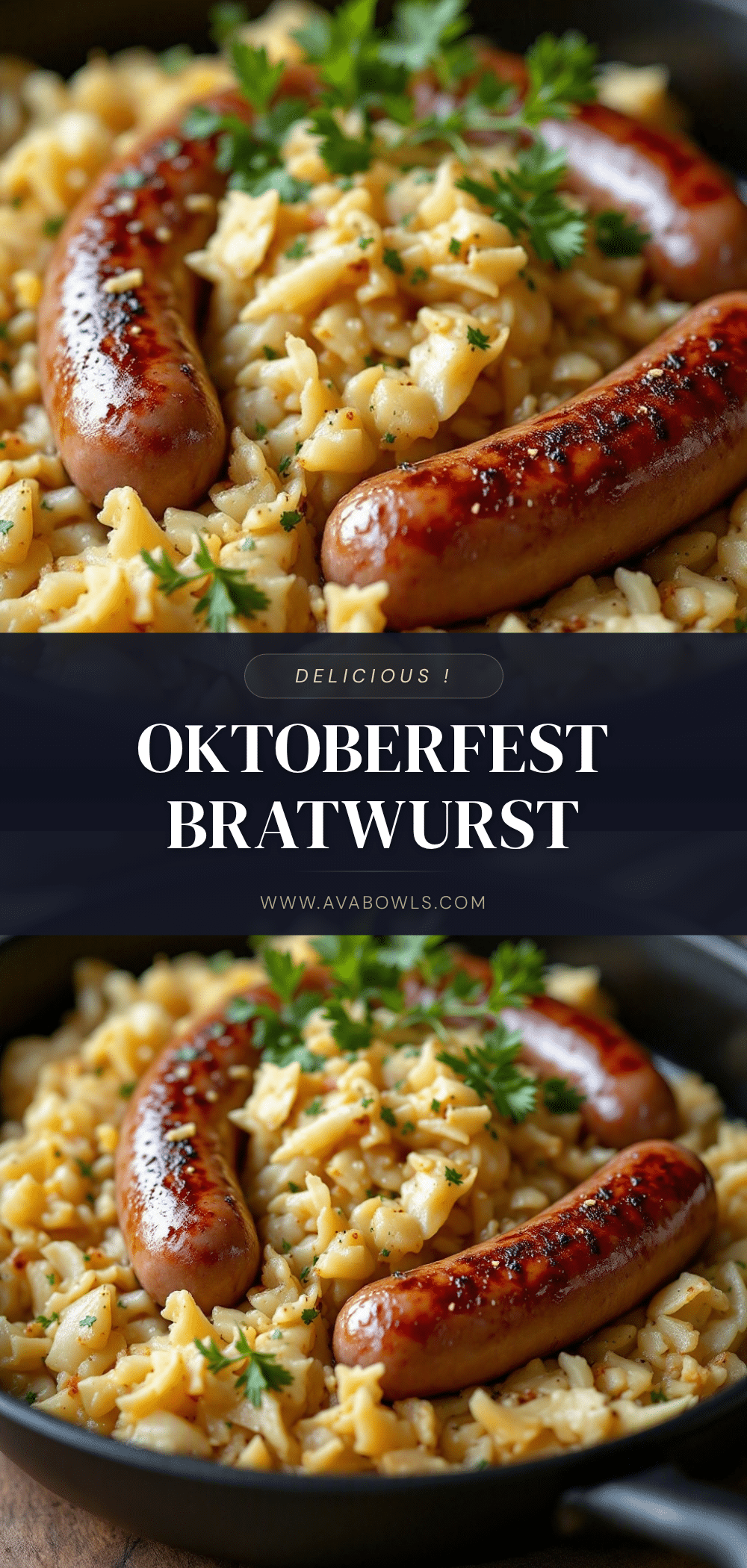
Easy Oktoberfest Bratwurst Skillet

A rustic, one-pan fall dinner featuring seared fresh bratwurst, caramelized onions, and tangy sauerkraut deglazed with beer for a deeply satisfying and comforting meal.
- Prep Time: 5 minutes
- Cook Time: 25 minutes
- Total Time: 30 minutes
- Yield: 4 servings 1x
- Category: Main Course
- Cuisine: German
Ingredients
- 1 pound fresh raw bratwurst sausages
- 14 ounces sauerkraut (drained, with 2 tablespoons of juice reserved)
- 2 medium-large yellow onions, sliced thin
- 12 ounces lager or pilsner beer
- 2 tablespoons unsalted butter
- 1 tablespoon Dijon mustard
- 1 teaspoon sweet paprika
- 3 cloves garlic, minced
- 1 teaspoon caraway seeds
- Salt and black pepper to taste
Instructions
- Slice onions into thin half-moons, mince garlic, and slice bratwursts lengthwise (not all the way through). Drain sauerkraut and reserve 2 tablespoons of juice.
- Heat a cast iron skillet over medium-high heat and add butter, waiting until it foams.
- Sear bratwursts in the skillet for 3-4 minutes per side until deeply browned. Remove to a plate, leaving fond in the pan.
- Reduce heat to medium and add onions with a pinch of salt. Cook for 5 minutes until soft and golden brown.
- Add garlic, paprika, and caraway seeds to the onions. Stir constantly for 60 seconds until fragrant.
- Pour in beer and reserved sauerkraut juice, scraping up brown bits. Bubble for 2 minutes to reduce.
- Add drained sauerkraut and Dijon mustard, stirring to combine.
- Return bratwursts to the skillet, nestling them into the mixture. Cover and simmer on low-medium heat for 5 minutes.
- Remove lid and let excess liquid boil off for a minute. Serve immediately.
Notes
Avoid boiling the brats first; searing creates a crucial crust. If sausages brown too fast but remain raw inside, finish in a 375°F oven for 10 minutes. Ensure sauerkraut is well-drained to prevent a soupy dish. Leftovers improve overnight and can be frozen for up to 3 months.
Nutrition
- Serving Size: 1 bratwurst with sau
- Calories: 450
- Sugar: 8
- Sodium: 800
- Fat: 30
- Saturated Fat: 10
- Carbohydrates: 15
- Fiber: 4
- Protein: 25
Keywords: Oktoberfest, bratwurst, sauerkraut, skillet dinner, fall recipes, one-pan meal, German food, comfort food, quick dinner