I had this romanticized vision of making Pan de Muerto for the first time. I pictured a quiet kitchen, the scent of orange blossoms filling the air, and me, patiently shaping perfect little bone-shaped decorations. It took about twenty minutes of wrestling with a sticky dough that refused to hold its shape for that fantasy to fall apart completely. My first batch came out looking less like a traditional offering and more like a sad, lopsided blob that had given up on life. Honestly, it was a mess. But the kitchen smelled incredible—that warm, floral, yeasty smell that promises something good. And that smell made me try again the next day, and the next, until I finally understood how the dough was supposed to feel. Now, this bread has become my favorite thing to bake when the air turns crisp and the leaves start to fall. It’s not about perfection; it’s about the quiet ritual of making something that connects you to a tradition much bigger than yourself. There’s a deep satisfaction in pulling a golden, fragrant loaf from the oven, knowing exactly what went into it—both the ingredients and the patience.
Why You’ll Love This Recipe
Let’s be real—baking bread can feel intimidating. But this Pan de Muerto recipe is built for success, even on your first try. Here’s why it’s become my go-to for the Día de Muertos season.
- Authentic Flavor, No Shortcuts: This recipe uses traditional ingredients like orange zest and a touch of anise seed to capture that classic, floral aroma that defines a real Pan de Muerto. It’s not a quick imitation; it’s the real deal.
- Surprisingly Manageable Dough: The dough is enriched with eggs and butter, making it soft and forgiving. It’s a dream to work with once you get past the initial sticky stage, and I’ll walk you through exactly how to handle it.
- Perfect for the Occasion: Whether you’re building an ofrenda for your loved ones or just want to enjoy a beautiful, meaningful bread with your morning coffee, this recipe is perfect. It’s a centerpiece that sparks conversation and connection.
- Crowd-Pleasing Texture: The crumb is soft, slightly sweet, and incredibly tender. It’s the kind of bread that disappears in minutes, especially when served warm with a cup of hot chocolate or a creamy matcha latte.
- A Baking Achievement: Pulling a beautifully shaped loaf of Pan de Muerto out of your own oven is a genuine accomplishment. It’s a recipe that builds confidence and gives you bragging rights that are totally earned.
What makes this version different from others is the balance. Some recipes are too dry, others are too sweet. This one hits that perfect middle ground—a tender, flavorful bread that honors the tradition without being fussy. It’s the kind of bread that makes you close your eyes after the first bite, not because it’s fancy, but because it tastes like home.
What Ingredients You Will Need
This recipe uses simple, wholesome ingredients to create a bread that’s rich in flavor and tradition. Most of these are pantry staples, which makes it easy to whip up a batch whenever the mood strikes. The key is using fresh, high-quality components for the best result.
- All-Purpose Flour (4 cups / 500g): The backbone of the bread. I’ve tested this with bread flour, and it works, but all-purpose gives a softer, more tender crumb that’s perfect for this style of bread. No need for anything fancy here.
- Active Dry Yeast (2 ¼ teaspoons / 1 packet): Makes the dough rise and gives it that beautiful airy texture. Make sure your yeast is fresh by checking the expiration date. If you’re unsure, proof it in warm water with a pinch of sugar for 5 minutes until it gets foamy.
- Warm Milk (½ cup / 120ml): Helps activate the yeast and adds richness to the dough. Whole milk works best, but 2% will do in a pinch. Heat it to about 110°F—warm to the touch but not hot.
- Granulated Sugar (½ cup / 100g): Provides sweetness and helps feed the yeast. It also contributes to the golden brown color of the crust during baking.
- Unsalted Butter (½ cup / 113g), softened: Adds incredible tenderness and flavor. I use unsalted so I can control the salt level. Make sure it’s truly softened to room temperature for easy incorporation.
- Large Eggs (3): Enrich the dough and give it structure. I recommend using room-temperature eggs so they blend smoothly into the dough without shocking it.
- Orange Zest (from 1 large orange): This is non-negotiable for that signature Pan de Muerto flavor. Use a microplane to get just the fragrant outer layer, avoiding the bitter white pith.
- Orange Blossom Water (2 tablespoons): This is the secret ingredient that takes the bread from good to unforgettable. You can find it at most Latin markets or online. It’s floral and delicate and absolutely essential.
- Anise Seed (½ teaspoon): A tiny amount adds a subtle licorice-like warmth that complements the orange beautifully. Don’t skip it—it’s a classic touch.
- Salt (½ teaspoon): Balances the sweetness and strengthens the gluten structure. Simple but crucial.
- For the Topping: You’ll need an additional ¼ cup (50g) of granulated sugar mixed with the zest of half an orange for sprinkling, plus ¼ cup (56g) of melted unsalted butter for brushing.
Equipment Needed
You don’t need a professional bakery setup for this bread. A few basic tools will get the job done beautifully.
- Stand Mixer with Dough Hook: While you can knead by hand, a stand mixer makes this job infinitely easier. The dough is soft but sticky, and the mixer handles it without breaking a sweat. I use my KitchenAid for this every time.
- Large Mixing Bowl: For proofing the dough. A glass or ceramic bowl works great because it retains warmth.
- Baking Sheet: A standard half-sheet pan lined with parchment paper is perfect. No need for a special pan.
- Plastic Wrap or a Clean Kitchen Towel: For covering the dough while it rises. Keeps it from drying out.
- Pastry Brush: For brushing the melted butter on the baked bread. A silicone one is easy to clean.
- Microplane or Zester: For getting that fine orange zest without any bitter pith.
- Cooling Rack: Essential for letting the bread cool evenly after baking. A wire rack is best.
If you don’t have a stand mixer, you can knead by hand. It’ll take about 10-12 minutes of solid work, but it’s totally doable. Just be prepared for a slightly stickier experience.
Preparation Method
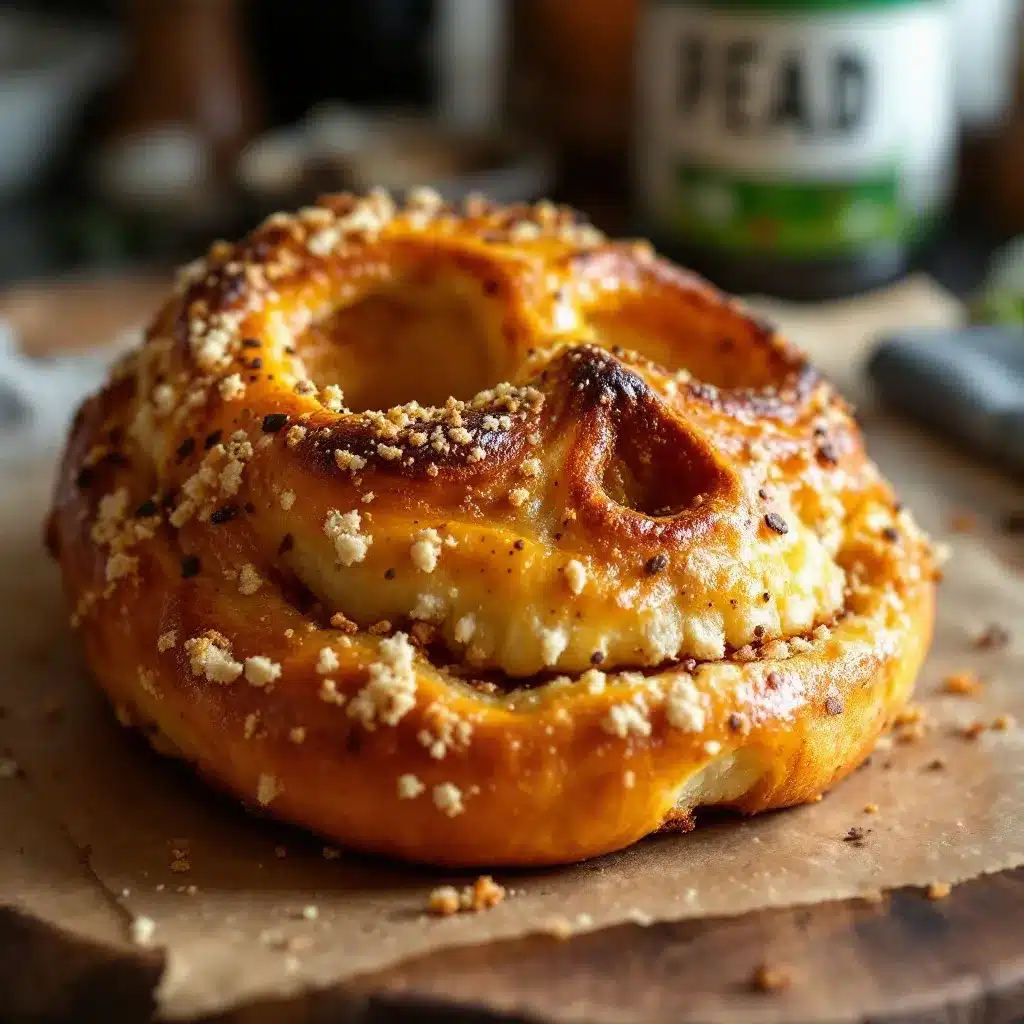
Take your time with this. The process is meditative, not rushed. Here’s how to get that perfect loaf.
- Activate the Yeast (5 minutes): In the bowl of your stand mixer, combine the warm milk (110°F) and 1 tablespoon of the sugar. Sprinkle the yeast on top and let it sit for 5-7 minutes until it becomes frothy and smells like bread. If it doesn’t foam, your yeast might be dead—start over with fresh yeast.
- Build the Dough (5 minutes): Add the remaining sugar, softened butter, eggs, orange zest, orange blossom water, anise seed, and salt to the yeast mixture. Add 2 cups of the flour and mix on low with the dough hook until combined. Gradually add the remaining 2 cups of flour, one cup at a time, until a shaggy dough forms.
- Knead the Dough (8-10 minutes): Increase the speed to medium-low and knead for 8-10 minutes. The dough will be sticky at first—resist the urge to add more flour. It should pull away from the sides of the bowl but still feel tacky to the touch. You’re looking for a smooth, elastic dough that springs back when you poke it.
- First Rise (1.5 to 2 hours): Lightly oil a large bowl and place the dough inside, turning it to coat. Cover with plastic wrap or a damp towel and let it rise in a warm, draft-free spot until doubled in size. This usually takes about 1.5 to 2 hours. A slightly warm oven (turned off) is a great place for this.
- Shape the Loaf (15 minutes): Punch down the dough to release the air. Turn it out onto a lightly floured surface. Cut off about ¼ of the dough and set it aside. Shape the larger piece into a smooth round ball by tucking the edges underneath. Place it on your parchment-lined baking sheet. Divide the reserved dough into 4 equal pieces. Roll each into a long rope about 6 inches long. These will be your “bones.” Place two ropes across the top of the loaf to form an X, and the other two on top to form a cross. Gently press the ends into the sides of the loaf. Finally, roll a small ball from a tiny piece of dough and place it in the center where the ropes cross—this represents the skull.
- Second Rise (45 minutes to 1 hour): Cover the shaped loaf loosely with plastic wrap and let it rise again until puffy and almost doubled. This is a shorter rise, about 45 minutes to 1 hour.
- Bake (30-35 minutes): Preheat your oven to 350°F (175°C). Bake the bread for 30-35 minutes, or until the top is a deep golden brown and the loaf sounds hollow when tapped on the bottom. If the top is browning too quickly, tent it loosely with foil for the last 10 minutes.
- Finish and Serve: Let the bread cool on the baking sheet for 5 minutes, then transfer it to a wire rack. While it’s still warm, brush the entire surface generously with melted butter. In a small bowl, mix the remaining ¼ cup of sugar with the extra orange zest. Sprinkle this sugar mixture all over the buttered bread. Let it cool completely before slicing—if you can wait that long.
Cooking Tips & Techniques
I’ve made every mistake in the book with this bread, so let me save you some trouble. First, don’t over-flour your work surface during shaping. A light dusting is all you need. Too much flour makes the dough stiff and dry. Second, the second rise is crucial. If you don’t let it puff up enough, the bread will be dense instead of airy. Be patient. Third, when shaping the bone decorations, roll the ropes gently. If you work the dough too aggressively, they’ll shrink back. Let them rest for a minute if they’re fighting you. I once forgot to add the orange blossom water entirely and the bread was just… fine. It was a good bread, but it wasn’t Pan de Muerto. That floral note is what makes it special. Don’t skip it. Also, if you’re in a rush, you can do the first rise in a slightly warm oven (about 80°F) to speed things up. Just make sure the oven is off and the light is on for a consistent temperature.
Variations & Adaptations
This recipe is wonderfully adaptable. Here are a few ways to make it your own.
- Chocolate Pan de Muerto: Add ¼ cup of unsweetened cocoa powder to the flour mixture for a rich, chocolatey twist. It’s incredible with a cup of coffee.
- Gluten-Free Version: Use a high-quality 1:1 gluten-free baking flour blend. The texture will be slightly more crumbly, but the flavor is still fantastic. You may need to add an extra tablespoon of milk.
- Vegan Adaptation: Substitute the butter with vegan butter, the eggs with flax eggs (1 tablespoon ground flaxseed + 3 tablespoons water per egg), and the milk with oat milk. The texture will be a bit denser but still delicious.
- Spiced Variation: Add ½ teaspoon of ground cinnamon and ¼ teaspoon of ground nutmeg to the flour for a warmer, cozier flavor profile. This is lovely for fall baking.
- Individual Buns: Instead of one large loaf, divide the dough into 8 equal pieces, shape into balls, and top each with a small cross made from dough strips. Bake for 18-22 minutes. Perfect for sharing.
I once made a batch with a splash of bourbon instead of the orange blossom water, and honestly, it was a happy accident. The warmth of the bourbon paired beautifully with the orange zest. It’s not traditional, but it was a hit at a friend’s dinner party.
Serving & Storage Suggestions
Pan de Muerto is best served the day it’s made, while still slightly warm. The butter and sugar topping is at its most glorious right after baking. Serve it alongside a cup of Mexican hot chocolate, coffee, or even a glass of cold milk. It’s also wonderful for breakfast the next day, toasted lightly and slathered with butter. To store, wrap the completely cooled bread tightly in plastic wrap and keep it at room temperature for up to 3 days. Do not refrigerate—it will dry out the bread. For longer storage, you can freeze the unsugared loaf (without the butter and sugar topping) for up to 2 months. Wrap it in plastic wrap and then foil. When you’re ready to enjoy, thaw it at room temperature, then reheat in a 300°F oven for 10 minutes, brush with butter, and sprinkle with the sugar mixture. The flavors actually deepen slightly after a day, so don’t worry if you can’t finish it all at once.
Nutritional Information & Benefits
This is a celebratory bread, so it’s not exactly health food. But it does offer some nutritional value. A typical serving (1/8 of the loaf) provides approximately 320 calories, 12g of fat, 48g of carbohydrates, and 6g of protein. The eggs provide high-quality protein and essential vitamins like B12 and D. The butter adds vitamin A, and the orange zest offers a small amount of vitamin C and antioxidants. If you’re watching your sugar intake, you can reduce the sugar in the dough to ⅓ cup and skip the topping. The bread will be less sweet but still delicious. For a lower-fat option, substitute half the butter with unsweetened applesauce. The texture will be slightly more cake-like. As always, this bread contains gluten, dairy, and eggs, so it’s not suitable for those with related allergies. But for a special occasion treat, it’s absolutely worth every bite.
Conclusion
This Pan de Muerto is more than just a recipe—it’s a way to connect with a beautiful tradition from the comfort of your own kitchen. It’s the bread that fills your home with the scent of orange and anise, the bread you shape with your own hands, and the bread you share with the people you love. Don’t be afraid to make it your own. Adjust the sweetness, try a new spice blend, or shape it differently. The most important thing is that you make it. I love this recipe because it reminds me that baking is a form of remembering and honoring. I’d love to hear how yours turns out. Leave a comment below and share your version—did you add a twist? Did you serve it with something special? Your stories make this community so wonderful. Happy baking, and may your ofrenda be filled with love and delicious bread.
Frequently Asked Questions
Can I use instant yeast instead of active dry yeast?
Yes, you can. Use the same amount (2 ¼ teaspoons) and mix it directly with the flour instead of proofing it in the milk. You can skip the activation step, but keep an eye on the rise times as instant yeast works a bit faster.
My dough is very sticky. Did I do something wrong?
No, that’s completely normal. Enriched doughs with butter and eggs are naturally sticky. Resist the urge to add more flour. Knead it for the full time, and it will come together into a smooth, elastic dough. A slightly tacky dough is what you want for a tender crumb.
Can I make this bread ahead of time for Day of the Dead?
Absolutely. You can prepare the dough through the first rise, punch it down, and refrigerate it overnight. The next day, let it come to room temperature for about an hour before shaping and proceeding with the second rise. The cold fermentation actually develops more flavor.
What if I don’t have orange blossom water?
You can substitute it with 1 tablespoon of orange juice plus 1 teaspoon of orange extract. It won’t be exactly the same, but it will still give you a lovely orange flavor. Another option is to use a bit of vanilla extract, though that changes the profile significantly.
How do I know when the bread is fully baked?
The top should be a deep golden brown, and the loaf should sound hollow when you tap the bottom. If you have an instant-read thermometer, the internal temperature should be around 190°F (88°C). If the top is browning too quickly, tent it with foil for the last 10 minutes of baking.
Pin This Recipe!
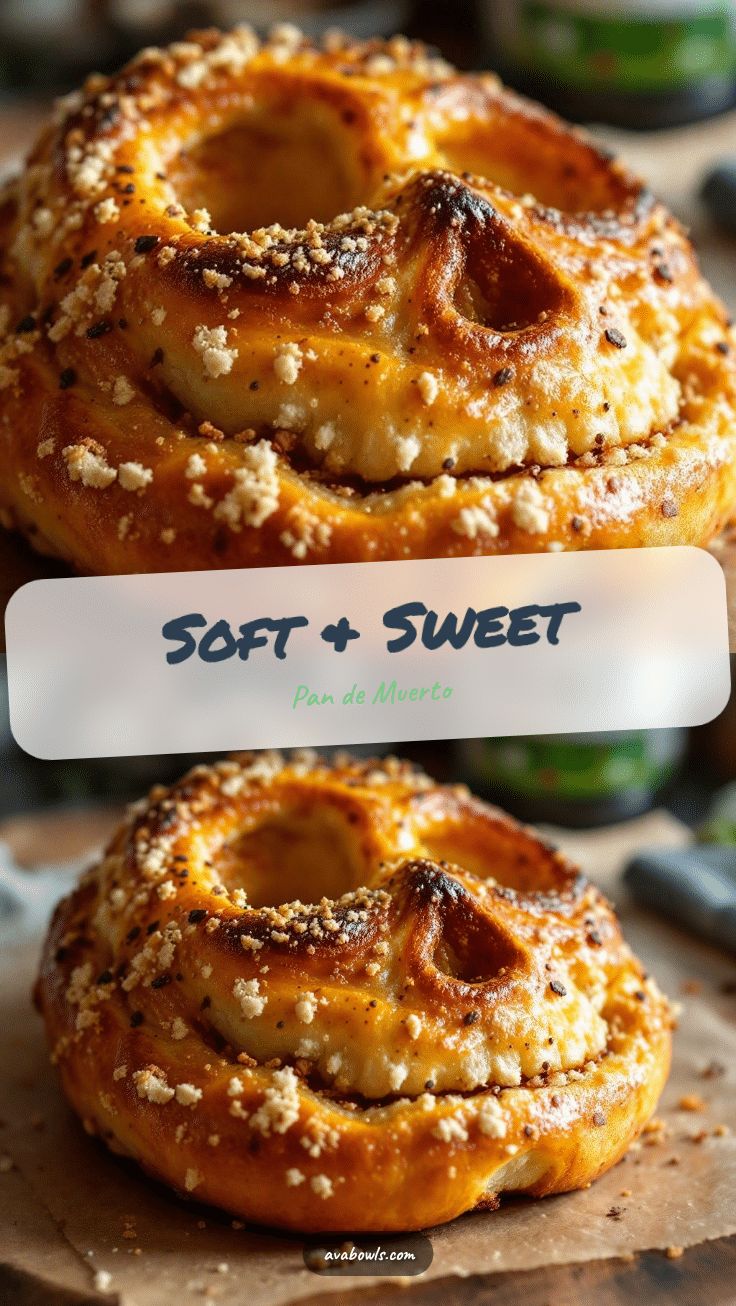
Easy Homemade Pan de Muerto for Day of the Dead

This Pan de Muerto recipe is built for success, even on your first try. It uses traditional ingredients like orange zest and a touch of anise seed to capture that classic, floral aroma that defines a real Pan de Muerto.
- Prep Time: 30 minutes
- Cook Time: 30-35 minutes
- Total Time: 2 hours 45 minutes to 3 hours 10 minutes
- Yield: 8 servings 1x
- Category: Bread
- Cuisine: Mexican
Ingredients
- 4 cups (500g) all-purpose flour
- 2 ¼ teaspoons (1 packet) active dry yeast
- ½ cup (120ml) warm milk
- ½ cup (100g) granulated sugar
- ½ cup (113g) unsalted butter, softened
- 3 large eggs, room temperature
- Zest of 1 large orange
- 2 tablespoons orange blossom water
- ½ teaspoon anise seed
- ½ teaspoon salt
- For the topping: ¼ cup (50g) granulated sugar mixed with zest of half an orange
- For the topping: ¼ cup (56g) melted unsalted butter
Instructions
- Activate the Yeast (5 minutes): In the bowl of your stand mixer, combine the warm milk (110°F) and 1 tablespoon of the sugar. Sprinkle the yeast on top and let it sit for 5-7 minutes until it becomes frothy and smells like bread. If it doesn’t foam, your yeast might be dead—start over with fresh yeast.
- Build the Dough (5 minutes): Add the remaining sugar, softened butter, eggs, orange zest, orange blossom water, anise seed, and salt to the yeast mixture. Add 2 cups of the flour and mix on low with the dough hook until combined. Gradually add the remaining 2 cups of flour, one cup at a time, until a shaggy dough forms.
- Knead the Dough (8-10 minutes): Increase the speed to medium-low and knead for 8-10 minutes. The dough will be sticky at first—resist the urge to add more flour. It should pull away from the sides of the bowl but still feel tacky to the touch. You’re looking for a smooth, elastic dough that springs back when you poke it.
- First Rise (1.5 to 2 hours): Lightly oil a large bowl and place the dough inside, turning it to coat. Cover with plastic wrap or a damp towel and let it rise in a warm, draft-free spot until doubled in size. This usually takes about 1.5 to 2 hours. A slightly warm oven (turned off) is a great place for this.
- Shape the Loaf (15 minutes): Punch down the dough to release the air. Turn it out onto a lightly floured surface. Cut off about ¼ of the dough and set it aside. Shape the larger piece into a smooth round ball by tucking the edges underneath. Place it on your parchment-lined baking sheet. Divide the reserved dough into 4 equal pieces. Roll each into a long rope about 6 inches long. These will be your ‘bones.’ Place two ropes across the top of the loaf to form an X, and the other two on top to for…
- Second Rise (45 minutes to 1 hour): Cover the shaped loaf loosely with plastic wrap and let it rise again until puffy and almost doubled. This is a shorter rise, about 45 minutes to 1 hour.
- Bake (30-35 minutes): Preheat your oven to 350°F (175°C). Bake the bread for 30-35 minutes, or until the top is a deep golden brown and the loaf sounds hollow when tapped on the bottom. If the top is browning too quickly, tent it loosely with foil for the last 10 minutes.
- Finish and Serve: Let the bread cool on the baking sheet for 5 minutes, then transfer it to a wire rack. While it’s still warm, brush the entire surface generously with melted butter. In a small bowl, mix the remaining ¼ cup of sugar with the extra orange zest. Sprinkle this sugar mixture all over the buttered bread. Let it cool completely before slicing—if you can wait that long.
Notes
Don’t over-flour your work surface during shaping. A light dusting is all you need. Too much flour makes the dough stiff and dry. The second rise is crucial. If you don’t let it puff up enough, the bread will be dense instead of airy. Be patient. When shaping the bone decorations, roll the ropes gently. If you work the dough too aggressively, they’ll shrink back. Let them rest for a minute if they’re fighting you. Don’t skip the orange blossom water—that floral note is what makes it special. If you’re in a rush, you can do the first rise in a slightly warm oven (about 80°F) to speed things up. Just make sure the oven is off and the light is on for a consistent temperature.
Nutrition
- Serving Size: 1/8 of loaf
- Calories: 320
- Sugar: 18
- Sodium: 180
- Fat: 12
- Saturated Fat: 7
- Carbohydrates: 48
- Fiber: 2
- Protein: 6
Keywords: Pan de Muerto, Day of the Dead, Mexican bread, orange blossom, anise, traditional bread, holiday bread