My daughter stared at the roasted acorn squash on her plate for a full minute, then pushed it toward me and said, “Can we have this for dinner again? But maybe with more of that nutty sauce?” I took a bite of the golden-brown half and nodded, knowing I had finally nailed the balance between the earthy squash and the rich, toasted butter.
It wasn’t a grand celebration or a holiday feast that sparked this request. It was just a random Tuesday in November, when the light was fading by four and the cold was seeping through the window frames. We needed something warm, something that smelled like comfort, and something that didn’t require a mountain of prep work after a long day at work.
Honestly, I was surprised she liked it so much. Acorn squash can be intimidating for some kids because of its tough skin and weird shape. But when you roast it until the edges caramelize and toss it in brown butter with crispy sage leaves, the texture changes completely. It becomes tender, almost creamy, and the flavor is deep and savory without being heavy.
This acorn squash recipe is my go-to for those nights when I want to feel like a good cook without spending hours in the kitchen. It’s simple, it’s seasonal, and it feels special even on a weeknight. The smell of browning butter fills the house and makes everyone wonder what’s for dinner, which is half the battle won in my book.
I love that this dish highlights the natural sweetness of the squash while adding a savory, herbal kick. It’s not just about feeding my family; it’s about creating these small, cozy moments where we all slow down and enjoy the food. That first bite, when the warm squash meets the crisp sage, is pure autumn in a bowl.
Why You’ll Love This Recipe
There is something magical about acorn squash that turns a simple vegetable into the star of the meal. This recipe isn’t just about cooking squash; it’s about unlocking a flavor profile that feels gourmet but is incredibly easy to achieve. Here is why this brown butter sage stuffed acorn squash has earned a permanent spot in my weekly rotation.
- Quick & Easy: This dish comes together in under 45 minutes, making it perfect for busy weeknights when you want something wholesome but don’t have time to chop a dozen different vegetables. The prep is minimal, and the oven does most of the heavy lifting.
- Simple Ingredients: You likely already have everything you need in your kitchen right now. Acorn squash, butter, fresh sage, and a pinch of salt are all it takes. No fancy grocery trips or obscure spices are required, which keeps the stress level low and the flavor high.
- Perfect for Cozy Dinners: Whether you are hosting a small dinner party or just having a quiet night in, this dish fits perfectly. It feels elegant enough to serve guests but casual enough for your everyday family meal. It pairs beautifully with the creamy roasted tomato basil soup for a complete comfort food experience.
- Crowd-Pleaser: It always gets rave reviews from kids and adults alike. The natural sweetness of the squash appeals to picky eaters, while the savory brown butter and sage satisfy adult palates looking for depth and complexity.
- Unbelievably Delicious: The texture and flavor combo is next-level comfort food. The squash becomes tender and slightly caramelized, while the brown butter adds a nutty, toasty richness that coats every bite. It’s the kind of dish that makes you close your eyes after the first bite and just savor the moment.
What makes this recipe different from the rest is the technique of browning the butter. Most people just melt butter, but taking the time to watch it turn golden and nutty changes everything. It adds a layer of flavor that is impossible to replicate with oil or plain melted butter. This isn’t just another side dish; it’s your best version of roasted squash. It’s healthier and faster, but with the same soul-soothing satisfaction as a heavy cream sauce. Perfect for impressing guests without stress, or turning a simple meal into something memorable.
What Ingredients You Will Need
This recipe uses simple, wholesome ingredients to deliver bold flavor and satisfying texture without the fuss. The beauty of this acorn squash recipe lies in its simplicity, relying on high-quality basics to shine. You don’t need a pantry full of exotic spices or expensive imports.
- Acorn Squash: Look for firm, heavy squash with no soft spots. The skin should be dark green and hard to the touch. I prefer medium-sized acorn squash because they are easier to handle and cook evenly. (Use two halves per person for a generous serving).
- Unsalted Butter: High-quality butter makes a huge difference here since it is the primary flavor component. I recommend using a good European-style butter for its higher fat content, which helps create a richer brown butter. (Adds richness and nuttiness).
- Fresh Sage Leaves: Fresh sage is non-negotiable for this dish. Dried sage doesn’t provide the same aromatic punch or crispy texture when fried. Look for vibrant green leaves that smell strong when you rub them. (Provides the signature herbal flavor).
- Sea Salt: Use flaky sea salt for finishing. It adds a nice crunch and distributes flavor more evenly than table salt. (Enhances natural sweetness).
- Black Pepper: Freshly cracked black pepper adds a subtle heat that balances the sweetness of the squash. (Adds warmth and depth).
- Optional: Maple Syrup: If you like your squash sweeter, a drizzle of pure maple syrup can be added after roasting. (Adds extra sweetness for dessert-like appeal).
For the best results, I always source my sage from the local farmer’s market when it’s in season, but the grocery store produce section works fine year-round. If you can’t find fresh sage, you can substitute with dried thyme, but the flavor profile will be different. In summer, swap in fresh thyme or rosemary if you are using summer squash, but for acorn squash, sage is the perfect match.
Substitution guidance: You can use ghee instead of butter if you are lactose intolerant, as the milk solids are removed, though the flavor will be slightly less complex. For a vegan version, use a high-quality plant-based butter and ensure it has a high fat content to brown properly. Always check the label to ensure the butter doesn’t have added water, as this can prevent proper browning.
Equipment Needed
You don’t need a lot of fancy gadgets to make this recipe, but having the right tools makes the process smoother. Here is what you will need to get started.
- Sharp Chef’s Knife: A good knife is essential for cutting through the tough skin of the acorn squash. I use my 8-inch chef’s knife for this. If your knife is dull, you risk slipping, so make sure it is sharp before you start. (Safety first!).
- Sturdy Cutting Board: Use a large, stable cutting board that won’t slide around. A wooden board is nice, but a heavy plastic one is easier to clean. (Prevents slipping).
- Baking Sheet: A standard half-sheet pan works perfectly. Line it with parchment paper or foil for easy cleanup, though the butter and squash juices can burn if left on bare metal. (Makes cleanup a breeze).
- Small Saucepan: A small skillet or saucepan is ideal for browning the butter. You want enough surface area for the butter to spread out so it browns evenly. (Ensures even browning).
- Slotted Spoon: This helps you remove the sage leaves from the hot butter without adding too much liquid to the pan. (Keeps the sage crispy).
- Pastry Brush (Optional): If you want to brush the squash with the brown butter before roasting, a pastry brush is handy. (Even coating).
If you don’t have a saucepan, you can brown the butter in a small oven-safe skillet, but be careful not to overheat it. For budget-friendly options, any basic non-stick skillet will work. Just avoid using a pan that is too small, as the butter might bubble over. Maintenance tip: Clean your saucepan immediately after use, as browned butter can stick and burn if left to cool in the pan.
Preparation Method
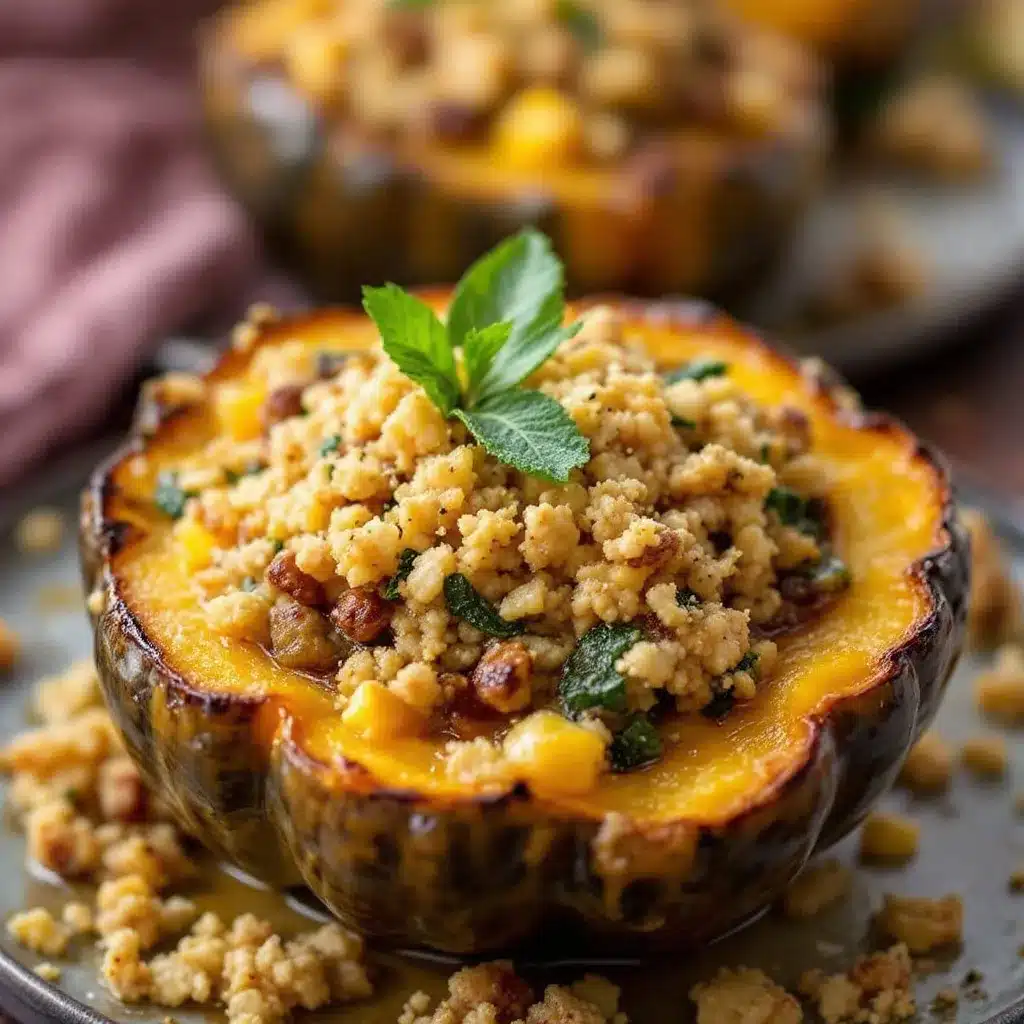
Let’s get into the nitty-gritty of making this cozy brown butter sage stuffed acorn squash. It’s straightforward, but there are a few key steps to ensure perfect results.
- Preheat the Oven: Start by preheating your oven to 400°F (200°C). This temperature is high enough to roast the squash quickly without drying it out. (Time: 5 minutes to preheat).
- Prepare the Squash: Wash the acorn squash thoroughly. Carefully cut it in half lengthwise, from stem to base. Use a sturdy knife and rock it through the skin. Scoop out the seeds and stringy pulp with a spoon. (Time: 5 minutes).
- Season the Squash: Drizzle the cut sides of the squash with a little olive oil and sprinkle with salt and pepper. Place them cut-side down on the lined baking sheet. This helps them steam and roast evenly. (Time: 2 minutes).
- Roast the Squash: Place the baking sheet in the oven and roast for 30-35 minutes. The squash is done when the flesh is tender and easily pierced with a fork. The edges should be slightly caramelized. (Time: 35 minutes).
- Brown the Butter: While the squash is roasting, melt the butter in a small saucepan over medium heat. Swirl the pan occasionally. The butter will foam, then crackle, and finally turn golden brown with a nutty aroma. This takes about 3-5 minutes. Watch it closely so it doesn’t burn. (Time: 5 minutes).
- Fry the Sage: Once the butter is browned, add the fresh sage leaves. They will sizzle and crisp up in about 30 seconds. Remove them with a slotted spoon and place on a paper towel. (Time: 1 minute).
- Combine and Serve: Remove the squash from the oven and flip them cut-side up. Spoon the hot brown butter over the flesh, sprinkling the crispy sage leaves on top. Add a final pinch of salt and pepper. (Time: 2 minutes).
Troubleshooting tip: If the butter starts to smoke, it is too hot. Remove it from the heat immediately and let it cool slightly before adding the sage. If the squash is not tender after 35 minutes, check it every 5 minutes until it is. Do not rush the roasting process, as undercooked squash is unpleasantly hard.
Cooking Tips & Techniques
Making brown butter sage stuffed acorn squash might seem simple, but there are a few pro tips that can make the difference between good and great.
- Watch the Butter: Brown butter can go from perfect to burnt in seconds. The color change is subtle, from pale yellow to golden brown. Listen for the crackling sound to stop, and smell for that nutty aroma. If it smells like burnt popcorn, you’ve gone too far.
- Don’t Skip the Salt: Salt is crucial for balancing the sweetness of the squash. Don’t be shy with it, but taste as you go. Flaky sea salt on top adds a nice textural contrast.
- Fresh Sage is Key: Fresh sage leaves contain water, which helps them crisp up in the hot butter. Dried sage will just get soggy or bitter. Make sure your leaves are dry before adding them to the butter.
- Roast Cut-Side Down: Roasting the squash cut-side down helps it steam in its own juices, keeping it moist. Flip them at the end to let the butter soak in.
- Multitasking: Use the time the squash is roasting to prepare the butter and sage. This way, everything is ready at the same time, and the butter is hot when you plate the dish.
I once burnt my brown butter because I went to answer the phone. Lesson learned: never leave browning butter unattended. It’s worth the vigilance. Also, if you have leftover brown butter, save it in the fridge. It keeps for weeks and is amazing on roasted vegetables or popcorn. Consistency is key, so practice browning the butter a few times until you get the hang of it.
Variations & Adaptations
While the classic brown butter sage flavor is unbeatable, there are plenty of ways to tweak this recipe to suit your tastes or dietary needs.
- Gluten-Free: This recipe is naturally gluten-free, so no changes needed. Just ensure your butter and sage are certified gluten-free if you have celiac disease.
- Vegan Option: Use a high-fat vegan butter and fry the sage in it. The flavor will be slightly different but still delicious. You can add nutritional yeast for a cheesy note.
- Spicy Twist: Add a pinch of red pepper flakes to the brown butter for a little heat. This pairs well with the sweetness of the squash.
- Herb Swap: If you don’t like sage, try thyme or rosemary. They both work well with brown butter and squash.
- Add Nuts: Toasted pecans or walnuts added on top add crunch and richness. I love adding chopped pecans for a Thanksgiving vibe.
I once tried this with maple syrup and bacon bits, and it was surprisingly good. The salty bacon contrasted nicely with the sweet squash. Feel free to experiment, but start with the classic version to appreciate the pure flavors.
Serving & Storage Suggestions
This acorn squash recipe is best served immediately while the butter is warm and the sage is crispy.
- Serving Temperature: Serve hot. The warmth of the butter helps the flavors meld together. It pairs well with a crisp green salad or the creamy slow cooker queso blanco dip for a party appetizer.
- Complementary Dishes: This dish works well as a side for roasted chicken or pork. It also stands alone as a light vegetarian meal.
- Storage: Store leftovers in an airtight container in the fridge for up to 3 days. The squash will soften further, which is fine.
- Reheating: Reheat in the oven at 350°F for 10-15 minutes to crisp up the edges. Avoid the microwave, as it can make the squash mushy.
- Flavor Development: The flavors deepen over time, making it a great make-ahead dish for holiday meals.
Nutritional Information & Benefits
Acorn squash is not only delicious but also packed with nutrients.
- High in Fiber: Great for digestive health.
- Vitamin A: Supports eye health and immune function.
- Low Calorie: A satisfying side dish without the guilt.
- Antioxidants: Contains beta-carotene and other antioxidants.
This recipe is naturally gluten-free and dairy-free if you use oil instead of butter. It’s a wholesome choice for a healthy lifestyle.
Conclusion
This cozy brown butter sage stuffed acorn squash is a simple yet elegant dish that brings the warmth of autumn to your table. It’s easy to make, uses few ingredients, and delivers big flavor. I hope you try it and enjoy it as much as my family does. Feel free to customize it with your favorite herbs or toppings. Leave a comment below if you have any questions or share your variations!
Frequently Asked Questions
Can I use frozen sage?
No, fresh sage is best for frying. Frozen sage will be too watery and won’t crisp up properly.
How do I know when the acorn squash is done?
Insert a fork into the flesh. If it goes in easily and the squash is tender, it’s done.
Can I make this ahead of time?
Yes, you can roast the squash ahead of time and reheat it. Just brown the butter and add the sage right before serving.
What other herbs work with brown butter?
Thyme, rosemary, and tarragon are excellent alternatives to sage.
Is acorn squash healthy?
Yes, it is low in calories and high in fiber, vitamin A, and antioxidants.
Pin This Recipe!

Acorn Squash Recipe: Easy 4-Ingredient Brown Butter Sage

A simple and elegant roasted acorn squash dish tossed in nutty brown butter and crispy fresh sage leaves, perfect for cozy weeknight dinners.
- Prep Time: 10 minutes
- Cook Time: 35 minutes
- Total Time: 45 minutes
- Yield: 4 servings 1x
- Category: Side Dish
- Cuisine: American
Ingredients
- 2 acorn squash (medium-sized, firm, dark green skin)
- 1/2 cup unsalted butter (high-quality European-style recommended)
- 1/4 cup fresh sage leaves
- Sea salt (flaky)
- Black pepper (freshly cracked)
- Olive oil (for drizzling)
- Optional: Maple syrup
Instructions
- Preheat oven to 400°F (200°C).
- Wash the acorn squash thoroughly. Cut it in half lengthwise and scoop out the seeds and stringy pulp with a spoon.
- Drizzle the cut sides of the squash with olive oil and sprinkle with salt and pepper. Place them cut-side down on a lined baking sheet.
- Roast the squash for 30-35 minutes until the flesh is tender and easily pierced with a fork, and edges are caramelized.
- While squash roasts, melt butter in a small saucepan over medium heat. Swirl occasionally until it foams, crackles, and turns golden brown with a nutty aroma (3-5 minutes).
- Add fresh sage leaves to the brown butter. Fry for about 30 seconds until crisp, then remove with a slotted spoon and place on a paper towel.
- Remove squash from oven and flip cut-side up. Spoon the hot brown butter over the flesh and sprinkle with crispy sage leaves.
- Add a final pinch of salt and pepper. Serve immediately.
Notes
Watch the butter closely as it can burn quickly. If the squash is not tender after 35 minutes, check every 5 minutes. Leftover brown butter can be stored in the fridge for weeks. For a vegan version, use high-fat plant-based butter.
Nutrition
- Serving Size: 1/2 acorn squash per
- Calories: 280
- Sugar: 6
- Sodium: 350
- Fat: 22
- Saturated Fat: 14
- Carbohydrates: 20
- Fiber: 5
- Protein: 3
Keywords: acorn squash, brown butter, sage, roasted squash, fall recipes, vegetarian side dish, easy dinner, gluten-free