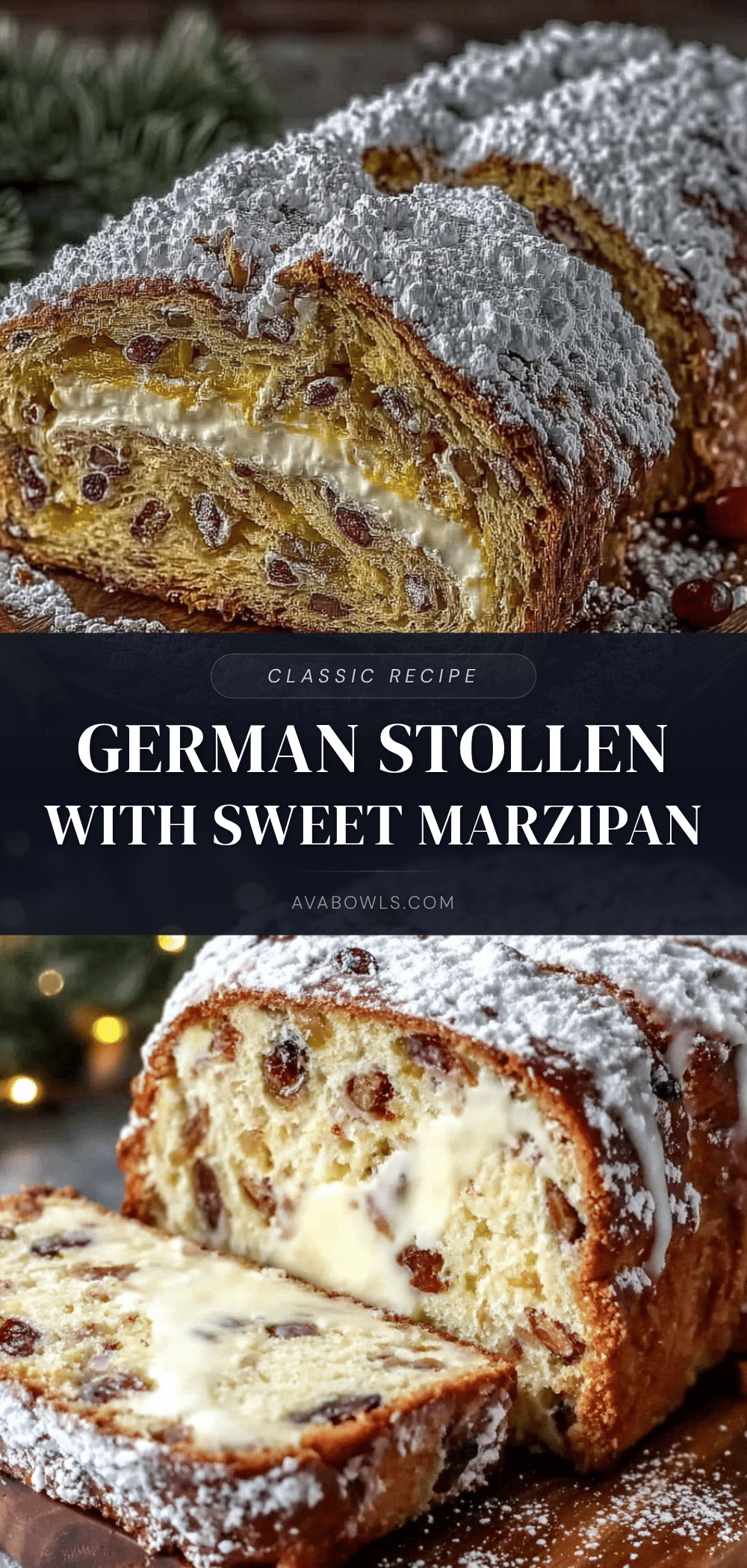
“You have to try the stollen,” my neighbor said one December evening, sliding a wrapped loaf across the kitchen counter. I was skeptical. Christmas bread? With marzipan? Honestly, I’m not the biggest fan of overly sweet holiday treats, but that scent—warm, spiced, buttery—was hard to ignore. Taking a tentative bite, I was surprised. The crumb was tender, with just the right balance of fruit and nutty accents. And that marzipan in the middle? It was a soft, sweet surprise tucked inside like a secret gift.
That moment sparked a quiet obsession. I couldn’t stop making my own German Stollen Christmas bread with sweet marzipan filling for weeks. The more I baked it, the more I understood why this centuries-old recipe has such staying power during the holidays. Each loaf carries a little story—of cozy kitchens, hurried mornings, and that special hush after the first slice is cut. It’s the kind of bread that invites you to pause, grab a cup of something warm, and savor a moment that’s entirely your own.
Making stollen has become a welcome ritual for me, especially after a long, hectic day. The dough, sticky and fragrant with spices, feels like an old friend. And when you wrap that marzipan center in the dough, it’s like tucking in a little magic for your taste buds. If you’re not sure about marzipan, trust me—it’s less about sweetness overload and more about that smooth almond-y richness that ties the bread together perfectly.
So, this recipe is my way of sharing that quiet joy—the one that comes from baking something meaningful, easy enough to fit into your holiday hustle, yet special enough to become a family favorite. It’s not fancy, just honest and reliable, with a texture and flavor combo you’ll want to come back to again and again. And hey, if you love a good, cozy comfort food like a stuffed French toast or a warm loaf with surprises inside, you’ll find this stollen hits all the right notes.
Why You’ll Love This Recipe
This Perfect German Stollen bread with sweet marzipan filling is one of those recipes that’s been tested and tweaked until it feels just right. Honestly, it’s a keeper for every Christmas season, and here’s why:
- Quick & Easy: The dough comes together in under 30 minutes, making it perfect for those last-minute holiday baking sessions.
- Simple Ingredients: No fancy or hard-to-find items here—most are pantry staples, with marzipan being the only special addition you might want to pick up in advance.
- Perfect for Holiday Gatherings: Whether it’s for Christmas morning brunch or gifting to neighbors, this stollen always impresses without the stress.
- Crowd-Pleaser: Kids and adults alike go crazy for the balance of fruit, spice, and that luscious marzipan center.
- Unbelievably Delicious: The texture is soft but sturdy, with a tender crumb that holds up nicely to slicing and storing.
What sets this recipe apart? It’s the marzipan filling that really steals the show. While many stollen recipes skimp on this part or skip it entirely, I’ve found that wrapping that smooth almond paste inside creates a moist, rich middle that keeps every slice exciting. Plus, the perfectly balanced spice blend—think cinnamon, nutmeg, and a touch of cardamom—makes this stollen feel like a warm holiday hug.
And if you’re wondering how it compares to other holiday breads, this one’s got a certain charm: it’s not overly sweet, not dense, but just right. A bit like the savory-sweet vibe you get from a creamy lemon ricotta pasta—comforting but fresh, familiar but a little surprising. That’s why this stollen has found a spot on my holiday table every year.
What Ingredients You Will Need
This German Stollen recipe uses simple, wholesome ingredients to deliver bold flavor and a satisfying texture without any fuss. Most of these are pantry staples, and the marzipan filling adds that special touch. Here’s what you’ll need:
- For the Dough:
- 3 1/2 cups (440g) all-purpose flour, plus extra for dusting
- 1/2 cup (100g) granulated sugar
- 2 1/4 tsp (7g) active dry yeast (one packet)
- 1/2 tsp salt
- 1 tsp ground cinnamon
- 1/4 tsp ground nutmeg
- 1/4 tsp ground cardamom (optional, adds nice warmth)
- 1/2 cup (120ml) whole milk, warmed (about 110°F / 43°C)
- 1/4 cup (60g) unsalted butter, melted and cooled slightly
- 2 large eggs, room temperature
- 1 tsp vanilla extract
- For the Fruit & Nuts:
- 1 cup (150g) mixed dried fruit (such as raisins, currants, chopped dried apricots)
- 1/2 cup (60g) chopped almonds or walnuts (toasted for extra flavor)
- 2 tbsp rum or orange juice (optional, for soaking dried fruit)
- For the Marzipan Filling:
- 7 oz (200g) marzipan paste (use good quality brand like Odense or see if your local bakery carries fresh marzipan)
- For Finishing:
- 3 tbsp unsalted butter, melted (for brushing after baking)
- 1/2 cup (60g) powdered sugar, for dusting
If you want a gluten-free version, you can try swapping the flour for a gluten-free all-purpose blend, though texture will vary. Also, almond flour can be added to the dough for extra nuttiness, but be mindful of the flour ratio. For dairy-free, swap milk and butter with almond milk and coconut oil or dairy-free butter.
Equipment Needed
- Large mixing bowl (preferably glass or metal)
- Stand mixer with dough hook (optional, but helpful for kneading)
- Measuring cups and spoons or kitchen scale for accuracy
- Small saucepan or microwave-safe bowl to warm milk and melt butter
- Baking sheet lined with parchment paper
- Plastic wrap or clean kitchen towel to cover dough while rising
- Rolling pin for shaping the dough
- Pastry brush for buttering the bread after baking
If you don’t have a stand mixer, no worries—hand kneading works just fine, though it takes a bit more elbow grease. I’ve found that a silicone spatula is handy to scrape sticky dough from the bowl. For warming milk, a microwave-safe bowl is quick, but a saucepan works just as well. And parchment paper is a small investment that saves you from scrubbing baked-on butter later!
Preparation Method

- Soak the Dried Fruit (10 minutes): Place the dried fruit in a small bowl and add the rum or orange juice. Let it soak while you prepare the dough. This plumps up the fruit and adds a subtle tang.
- Activate the Yeast (5-10 minutes): Warm the milk to about 110°F (43°C). In a small bowl, mix the yeast with a teaspoon of sugar and 1/4 cup of the warm milk. Let it sit until foamy and bubbly on top. If it doesn’t foam, your yeast might be old or the milk too hot or cold—try again!
- Mix Dry Ingredients (2 minutes): In a large bowl or stand mixer, whisk together the flour, sugar, salt, cinnamon, nutmeg, and cardamom. Make sure the spices are well distributed for an even aroma.
- Add Wet Ingredients (3 minutes): Add the foamy yeast mixture, the rest of the warm milk, melted butter, eggs, and vanilla extract to the dry ingredients. Mix on low speed until a sticky dough forms.
- Knead the Dough (8-10 minutes): Knead the dough either with a stand mixer using the dough hook or by hand on a floured surface. The dough should be smooth and elastic but slightly tacky. Add a little flour if it’s too sticky, but avoid overdoing it to keep the bread tender.
- Fold in Fruit and Nuts (2 minutes): Drain the soaked dried fruit and gently fold it along with the chopped nuts into the dough. Be careful not to overwork it—you want the fruit evenly spread, not crushed.
- First Rise (60-90 minutes): Place the dough in a lightly greased bowl, cover with plastic wrap or a damp towel, and leave it in a warm place until doubled in size. It might take longer depending on your kitchen temperature.
- Shape the Dough (10 minutes): Punch down the dough and turn it out onto a floured surface. Roll it into a rough rectangle about 12 x 8 inches (30 x 20 cm). Cut the marzipan into a log about 1 inch (2.5 cm) thick and place it along the center of the rectangle.
- Wrap the Marzipan (2 minutes): Fold the dough over the marzipan log, sealing the edges by pinching the dough together. Shape the loaf into a slightly rounded oval, tapering one side a bit to create the traditional stollen shape.
- Second Rise (45 minutes): Place the shaped loaf on a parchment-lined baking sheet, cover again, and let it rise until puffy but not quite doubled.
- Bake (35-40 minutes): Preheat the oven to 350°F (175°C). Bake the stollen until golden brown and a skewer inserted comes out clean. If the top browns too quickly, tent it loosely with foil.
- Butter and Sugar Finish (5 minutes): Right out of the oven, brush the stollen generously with melted butter. While still warm, dust heavily with powdered sugar. This seals in moisture and adds that classic snowy look.
- Cool and Store: Let the bread cool completely on a wire rack before slicing. Stollen actually tastes better after resting for a day or two, wrapped tightly in foil or plastic wrap.
Pro tip: When folding the marzipan inside, avoid stretching the dough too thin—otherwise, it might leak out during baking. Also, watch your oven closely the first time; every oven heats a bit differently. I’ve learned that the foil tent is a lifesaver for perfect golden crusts without burning.
Cooking Tips & Techniques
Making stollen isn’t tricky, but there are a few tricks that can make your loaf shine every time. First, don’t rush your yeast activation. The foam on top means the yeast is alive and ready. If it doesn’t foam, your bread won’t rise properly, and that’s a bummer.
Also, when kneading, the dough will feel sticky—that’s normal. Resist the urge to dump in tons of extra flour. Instead, lightly flour your surface and hands. Over-flouring can make the bread dry and dense, and that’s the last thing you want in a tender stollen.
One lesson I learned the hard way: don’t skimp on the butter brushing right after baking. It keeps the crust soft and locks in moisture. Plus, the powdered sugar coating gives it that authentic snowy look and a sweet finish that you won’t want to skip.
Timing your rises is flexible but important. If your kitchen is cold, try placing the dough in an oven warmed to 100°F (38°C) and then turned off. It creates a cozy environment for the dough to puff up nicely. Also, multitasking during the second rise—for example, prepping your hot beverages or setting the table—helps the time fly by.
Finally, give your stollen some time before slicing. It’s tempting to dig in right away, but letting it rest lets the flavors and texture settle. Just like when I make my slow cooker queso blanco dip, patience pays off big time.
Variations & Adaptations
This stollen recipe is pretty flexible, and you can tailor it to fit different tastes or dietary needs. Here are some ideas I’ve tried or recommend:
- Fruit Variations: Swap the dried fruit mix for cherries, figs, or even candied citrus peel. In summer, you can try fresh berries folded in just before baking, but bake immediately to avoid sogginess.
- Nut-Free Version: Omit nuts if you have allergies or preferences. You can add sunflower or pumpkin seeds for crunch instead.
- Spice Adjustments: If you like it more aromatic, add a pinch of ground cloves or allspice. For a milder loaf, reduce the cardamom or nutmeg.
- Marzipan-Free: If you’re not a fan of marzipan, you can leave it out and add a swirl of cinnamon sugar or a thin layer of jam inside instead.
- Gluten-Free Option: Use a gluten-free flour blend designed for yeast breads and add a tablespoon of xanthan gum for better texture.
Personally, I once made a version with a cinnamon-vanilla custard filling instead of marzipan, inspired by a creamy pasta sauce I adore. It was rich and decadent but didn’t have that classic stollen feel. For true holiday nostalgia, the marzipan version is still my favorite.
Serving & Storage Suggestions
Stollen is best served at room temperature, sliced thick with a cup of coffee, tea, or mulled wine. It’s especially wonderful for holiday brunch or as a sweet snack between meals. For a festive touch, sprinkle a little extra powdered sugar just before serving.
If you’re planning to gift stollen, wrap it tightly in foil and place in a decorative box or tin. It keeps well for up to two weeks stored in a cool, dry place. You can also freeze it for up to three months—wrap tightly in plastic wrap and then foil. Thaw overnight at room temperature before serving.
Reheating is optional but nice: pop slices in a warm oven (about 300°F / 150°C) for 5-7 minutes or toast lightly. The marzipan filling softens and the spices become more fragrant. Over time, the flavors mature, making the stollen even more enjoyable a day or two after baking.
Nutritional Information & Benefits
Each slice (about 1/12th of the loaf) contains roughly 250-300 calories, with moderate amounts of carbohydrates and fats from butter and nuts. The dried fruit provides natural sweetness and fiber, while the marzipan contributes healthy almond fats and protein.
While stollen is definitely a holiday treat, it includes wholesome ingredients like nuts and dried fruit, which offer vitamins, minerals, and antioxidants. The spices like cinnamon and cardamom have been linked to anti-inflammatory benefits and blood sugar regulation.
If you’re watching allergens, note that this recipe contains gluten, dairy, nuts, and eggs. For dairy-free or gluten-free adaptations, follow the substitution tips above. This way, you can still enjoy a slice without worry. Personally, I find this recipe strikes a nice balance between indulgence and nutrition when enjoyed in moderation during the festive season.
Conclusion
This Perfect German Stollen Christmas Bread with Sweet Marzipan Filling is one of those recipes that feels like a warm holiday secret passed down through the years. It’s not complicated, but it’s got personality—rich with spices, studded with fruit and nuts, and a luscious marzipan heart that sets it apart. I love how it invites you into a calm, cozy moment amid the holiday rush, whether you’re baking it for yourself or gifting it to someone special.
Feel free to make it your own, adding or skipping ingredients to suit your taste or dietary needs. And if you try it, I’d love to hear how it turns out! Baking this stollen has become a treasured part of my season, just like whipping up a batch of crispy Nashville hot chicken tenders brings a little kick to weeknights.
Enjoy the process and the delicious results—here’s to a sweeter, cozier holiday.
FAQs
What is German Stollen bread?
German Stollen is a traditional holiday bread made with a rich yeast dough filled with dried fruits, nuts, and often a marzipan center. It’s dusted with powdered sugar to resemble snowy winter landscapes.
Can I make stollen without marzipan?
Yes! While marzipan adds a classic almond sweetness and moisture, you can omit it or substitute with cinnamon sugar, jam, or a nut butter swirl for a different flavor.
How long does stollen stay fresh?
Stored wrapped tightly at room temperature, stollen stays fresh for up to two weeks. It also freezes well for up to three months.
Can I prepare the dough in advance?
Absolutely. You can prepare the dough and let it rise overnight in the fridge for a slower fermentation, which can deepen flavor. Just bring it to room temperature before shaping.
Is this recipe suitable for beginners?
Yes! This recipe is designed to be approachable with clear steps. Using a stand mixer helps, but hand kneading works too. Just take your time with the rises.
Pin This Recipe!
Perfect German Stollen Bread Recipe 2024 Easy Homemade Marzipan Filling

A traditional German holiday bread with a tender crumb, balanced fruit and nut accents, and a luscious marzipan center. This recipe is quick, easy, and perfect for festive gatherings.
- Prep Time: 30 minutes
- Cook Time: 40 minutes
- Total Time: 2 hours 15 minutes
- Yield: 12 servings 1x
- Category: Bread
- Cuisine: German
Ingredients
- 3 1/2 cups (440g) all-purpose flour, plus extra for dusting
- 1/2 cup (100g) granulated sugar
- 2 1/4 tsp (7g) active dry yeast (one packet)
- 1/2 tsp salt
- 1 tsp ground cinnamon
- 1/4 tsp ground nutmeg
- 1/4 tsp ground cardamom (optional)
- 1/2 cup (120ml) whole milk, warmed (about 110°F / 43°C)
- 1/4 cup (60g) unsalted butter, melted and cooled slightly
- 2 large eggs, room temperature
- 1 tsp vanilla extract
- 1 cup (150g) mixed dried fruit (raisins, currants, chopped dried apricots)
- 1/2 cup (60g) chopped almonds or walnuts (toasted)
- 2 tbsp rum or orange juice (optional, for soaking dried fruit)
- 7 oz (200g) marzipan paste
- 3 tbsp unsalted butter, melted (for brushing after baking)
- 1/2 cup (60g) powdered sugar, for dusting
Instructions
- Soak the dried fruit in rum or orange juice for 10 minutes.
- Warm milk to 110°F (43°C). Mix yeast with 1 tsp sugar and 1/4 cup warm milk; let foam for 5-10 minutes.
- In a large bowl, whisk together flour, sugar, salt, cinnamon, nutmeg, and cardamom.
- Add foamy yeast mixture, remaining warm milk, melted butter, eggs, and vanilla extract to dry ingredients; mix until sticky dough forms.
- Knead dough for 8-10 minutes until smooth and elastic, adding flour sparingly if too sticky.
- Drain soaked fruit and fold it with chopped nuts into the dough gently.
- Place dough in greased bowl, cover, and let rise 60-90 minutes until doubled.
- Punch down dough and roll into 12 x 8 inch rectangle. Cut marzipan into 1 inch thick log and place along center.
- Fold dough over marzipan, pinch edges to seal, and shape into rounded oval tapering one side.
- Place loaf on parchment-lined baking sheet, cover, and let rise 45 minutes until puffy.
- Preheat oven to 350°F (175°C). Bake loaf 35-40 minutes until golden and skewer comes out clean; tent with foil if browning too fast.
- Brush hot loaf with melted butter and dust generously with powdered sugar.
- Cool completely on wire rack before slicing. For best flavor, rest 1-2 days wrapped tightly.
Notes
Avoid stretching dough too thin when wrapping marzipan to prevent leakage. Use foil tent if top browns too quickly. Let stollen rest 1-2 days for best flavor. For gluten-free, use gluten-free flour blend and xanthan gum. For dairy-free, substitute milk and butter with almond milk and coconut oil or dairy-free butter.
Nutrition
- Serving Size: 1 slice (1/12th of l
- Calories: 275
- Sugar: 12
- Sodium: 180
- Fat: 10
- Saturated Fat: 4
- Carbohydrates: 38
- Fiber: 2
- Protein: 5
Keywords: German Stollen, Christmas bread, marzipan filling, holiday baking, traditional bread, fruit and nut bread, festive bread