Let me tell you, the scent of fresh dandelions simmering gently with honey and citrus is enough to make anyone’s mouth water and heart flutter. The golden hue of homemade dandelion wine, catching the light like liquid sunshine, instantly takes me back to those warm, lazy afternoons when I was knee-high to a grasshopper, wandering through fields with my grandma. The first time I brewed this rustic and traditional dandelion wine recipe, I was instantly hooked—the kind of moment where you pause, take a deep breath, and just smile because you know you’re onto something truly special.
Years ago, on a rainy weekend, I stumbled upon an old family journal tucked away in a dusty attic trunk, filled with handwritten notes and recipes passed down from generations. Among them was this gem of a dandelion wine recipe, which honestly, I wish I’d discovered years ago. My family couldn’t stop sneaking sips from the fermenting jars (and I can’t really blame them). It’s dangerously easy to make and offers pure, nostalgic comfort with every pour. Perfect for potlucks, cozy dinners, or as a sweet, floral surprise for your friends, this homemade dandelion wine recipe has become a staple for our family gatherings and gifting traditions. Trust me, you’re going to want to bookmark this one!
Why You’ll Love This Recipe
After countless trials in the name of research, of course, this homemade dandelion wine recipe stands out for so many reasons. Here’s why I keep coming back to it:
- Quick & Easy: With just a few simple steps, you can have your dandelion wine fermenting in under an hour of active prep—perfect for busy weekends or last-minute beverage plans.
- Simple Ingredients: No need for fancy or hard-to-find items; most are pantry staples or easily foraged (hello, dandelion patches!).
- Perfect for Rustic Gatherings: Whether you’re hosting a backyard party, a harvest festival, or just want a cozy evening sip, this wine fits the bill.
- Crowd-Pleaser: Kids might not sip it, but the adults always rave about the subtle floral notes and warm, slightly sweet flavor.
- Unbelievably Delicious: The texture is smooth, and the balanced acidity from lemon and honey makes every glass feel like a handcrafted treasure.
This isn’t just another homemade wine recipe. The secret lies in the gentle infusion of dandelion petals combined with a touch of citrus and honey, creating a flavor profile that’s rustic yet refined. You know what? This recipe feels like comfort in a glass—honestly, it’s one of those rare finds that makes you want to close your eyes after the first sip. It’s rustic charm meets traditional craft, without any fuss or fancy gear.
What Ingredients You Will Need
This recipe uses simple, wholesome ingredients to deliver bold, floral flavor and satisfying texture without the fuss. Most of these can be found in your pantry or gathered fresh from your yard (if you’re careful, of course!).
- Dandelion Flowers: About 4 cups of fresh, bright yellow petals, picked on a dry, sunny day (avoid the green parts—they add bitterness).
- Water: 1 gallon (3.8 liters) of filtered water to ensure purity.
- Granulated Sugar: 3 to 4 cups (600 to 800 grams), depending on your sweetness preference (I recommend organic cane sugar for best fermentation).
- Fresh Lemons: 2 large, juiced, plus zest from one lemon (adds bright acidity and complexity).
- Oranges: 1 large, juiced and zested (for a subtle citrus twist).
- Honey: ½ cup (120 ml), preferably local raw honey (adds depth and rounds out flavors).
- Yeast: 1 teaspoon of wine or champagne yeast (I prefer Lalvin EC-1118 for reliable fermentation).
- Optional Spices: 1 cinnamon stick or a few cloves for a warm note (great if you want a spiced version).
If you’re looking for substitutions, you can swap honey with maple syrup, and use a gluten-free sugar if needed. The key is fresh dandelion petals picked carefully to avoid pesticides. In summer, you might also experiment with adding fresh berries for a fruity twist, but the classic rustic flavor comes from these core ingredients.
Equipment Needed
- Large Fermentation Vessel: A 1-gallon glass jar or food-grade plastic bucket with a lid works perfectly.
- Cheesecloth or Fine Strainer: To strain the petals from the liquid.
- Measuring Cups and Spoons: For accurate ingredient portions.
- Large Pot: For boiling the water and dissolving sugar.
- Airlock or Balloon: To cover the fermentation vessel and allow gas to escape while preventing contamination.
- Funnel: Makes transferring wine into bottles easier.
- Bottles: Clean glass bottles with corks or screw caps for storing the wine.
If you don’t have a fancy airlock, a balloon with a tiny pinhole works in a pinch, but I’ve found investing in a simple airlock kit keeps things cleaner and easier to monitor. For budget-conscious brewers, repurposed glass jars and cheesecloth from the kitchen are just fine. Just remember to always sanitize your equipment to avoid funky flavors or spoilage—something I learned the hard way during my first batch!
Preparation Method
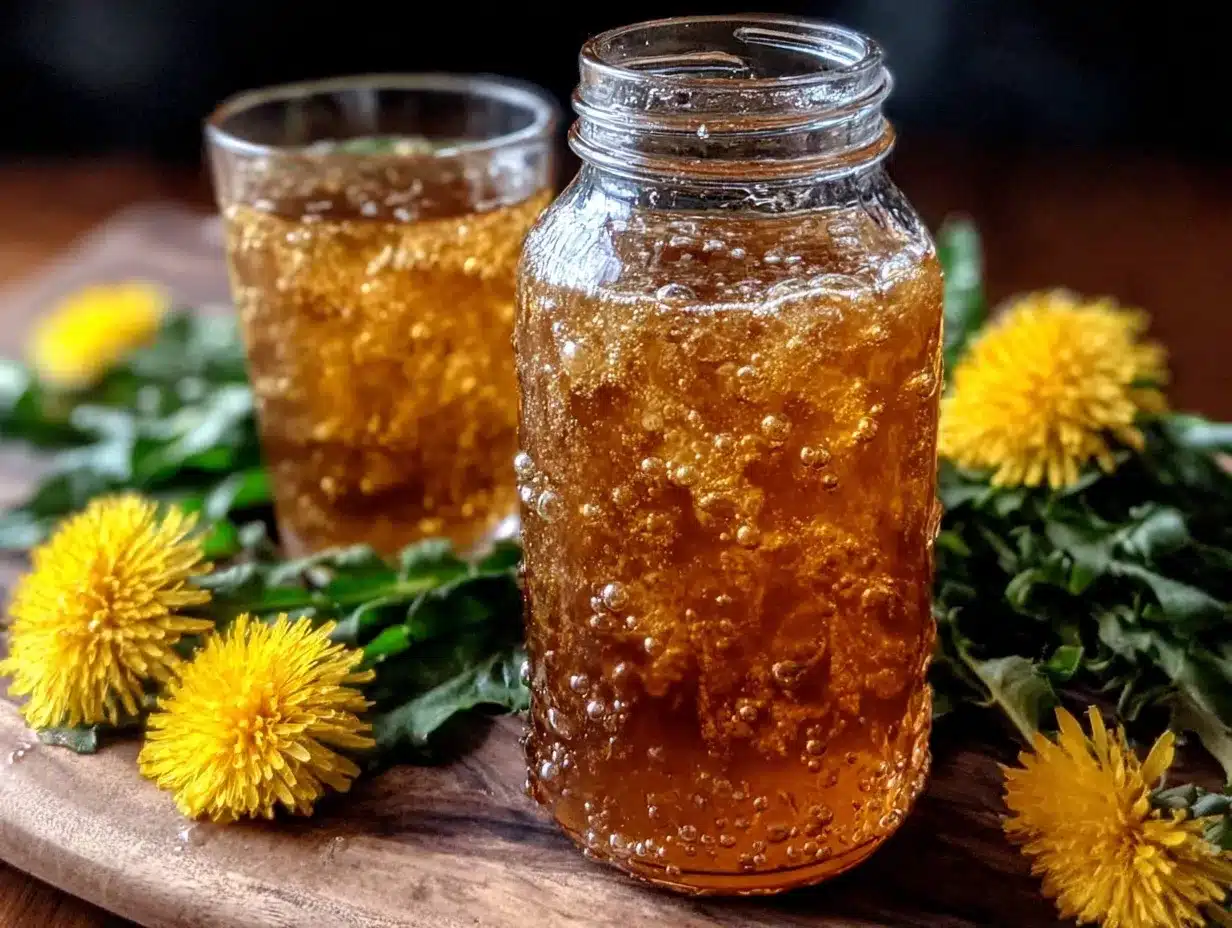
- Pick and Prepare the Dandelions: Gather about 4 cups of freshly picked dandelion petals. Make sure to pick them on a dry day when they’re fully open. Pluck only the yellow petals, avoiding green parts. Rinse gently in cool water to remove dirt and bugs. (Time: 15 minutes)
- Boil the Sugar Water: In a large pot, bring 1 gallon (3.8 liters) of filtered water to a boil. Add 3 to 4 cups (600-800 grams) of granulated sugar, stirring until completely dissolved. Remove from heat.
- Steep the Petals: Add the dandelion petals, lemon zest, and orange zest to the hot sugar water. Cover and let steep for 24 hours at room temperature. This step extracts the lovely floral and citrus flavors. (Tip: A longer steep can add more depth, but don’t go over 48 hours to avoid bitterness.)
- Strain the Liquid: Using cheesecloth or a fine mesh strainer, carefully strain the liquid into your fermentation vessel, discarding the petals and zest. Press gently to extract every bit of flavor. (Time: 10 minutes)
- Add Citrus Juice and Honey: Stir in the juice of 2 lemons and 1 orange, plus ½ cup (120 ml) of honey. Mix well until the honey is fully incorporated.
- Cool and Add Yeast: Allow the mixture to cool to lukewarm (around 70°F/21°C). Sprinkle 1 teaspoon of wine yeast evenly over the surface. No need to stir; the yeast will activate on its own. (Note: If the liquid is too hot, you risk killing the yeast.)
- Cover and Ferment: Fit the fermentation vessel with an airlock or cover loosely with a balloon with a tiny pinhole. Place in a dark, warm spot (65-75°F / 18-24°C) for primary fermentation for about 5-7 days. You’ll see bubbling as CO2 escapes – a good sign!
- Secondary Fermentation: After the bubbling slows, siphon the wine into a clean container, leaving sediment behind. Fit with an airlock again and let it mature for 3-6 months to develop flavor.
- Bottle and Age: Once clear and no longer fermenting, bottle your dandelion wine in sterilized bottles. Store in a cool, dark place. Patience pays off here; the wine tastes even better as it ages.
This process might sound long, but it’s mostly hands-off waiting. The active prep is straightforward, and honestly, each batch has taught me a bit more about patience and nature’s magic.
Cooking Tips & Techniques
One of the trickiest parts of making this homemade dandelion wine recipe is timing—both in the steeping and fermentation stages. I’ve learned that if you steep the petals too long, bitterness creeps in, but too short and the wine lacks that rich floral punch. Keeping a close eye (or nose) during fermentation helps; if you smell anything off, it’s better to start fresh.
Use filtered water because tap water with chlorine can inhibit yeast activity. Also, don’t rush the cooling step before adding yeast — too hot, and it kills your precious yeast friends; too cold, and fermentation stalls.
Cleaning your equipment thoroughly is a must. I once tried skipping a proper sanitizing step, and let’s just say, the batch turned into an unintended vinegar experiment.
Multitasking tip: While your wine ferments, prep your bottles and other kitchen projects. Wine making is an excellent excuse to slow down and let things develop naturally.
Lastly, be patient with aging. Though tempting to taste early, the wine really shines after months of mellowing, so mark your calendar and resist the urge to gulp it all at once!
Variations & Adaptations
- Spiced Version: Add whole cloves, star anise, or a cinnamon stick during the steeping phase for a warm, cozy twist.
- Low-Sugar Option: Reduce sugar to 2 cups (400 grams) and add extra honey or a splash of apple juice to balance sweetness. Just expect a lighter body and slightly different fermentation pace.
- Gluten-Free & Vegan: This recipe is naturally gluten-free and vegan-friendly if you use vegan-certified sugar and honey alternatives like agave syrup.
- Alternative Citrus: Swap lemons and oranges with grapefruit or limes for a zesty, tangy flavor profile that’s bright and refreshing.
- Personal Variation: I once added a handful of fresh mint leaves during steeping—gave the wine a subtle herbal note that was surprisingly delightful on a hot summer day.
Serving & Storage Suggestions
Serve your homemade dandelion wine chilled or at cellar temperature, depending on your preference. It pairs beautifully with light appetizers like cheese, rustic bread, or fresh fruit. For a special touch, garnish with a thin lemon slice or edible flower petal.
Store the wine in a cool, dark place—like a wine cellar or a basement. Once opened, keep refrigerated and consume within a week for best flavor. Unopened bottles can age gracefully for up to a year, and honestly, the flavor deepens and mellows over time.
When reheating (if you fancy a warm sip on a chilly evening), gently warm in a pot—never boil, as that kills the delicate aromas. The wine, over days in the fridge, might develop slight sediment; just pour carefully or decant before serving.
Nutritional Information & Benefits
An estimated serving of dandelion wine contains roughly 100-120 calories, primarily from sugar and honey. It’s low in fat and carbohydrates but offers a unique source of antioxidants from the dandelion petals and citrus zest.
Dandelions themselves are known for their vitamins A, C, and K, plus minerals like iron and calcium, making this wine a little rustic health boost in moderation. Just a heads-up: this recipe contains alcohol and natural sugars, so keep that in mind if you’re watching intake or serving to guests.
For those with allergies, ensure you’re not sensitive to dandelions or citrus fruits before indulging. From a wellness perspective, this homemade dandelion wine feels like a gentle nod to nature’s bounty—crafted with care, and best enjoyed slowly.
Conclusion
So, there you have it—a homemade dandelion wine recipe that’s easy, rustic, and packed with traditional flavor. Whether you’re a longtime homebrewer or a curious beginner, this recipe invites you to slow down, savor nature’s gifts, and enjoy a handcrafted beverage that feels like a warm hug in a glass.
Don’t hesitate to adjust the citrus, spices, or sweetness to match your taste buds. I love how this recipe connects me with my family’s past and the simple joys of harvesting wildflowers in the sun. Give it a try, and let me know how your batch turns out!
If you enjoyed this recipe, please share it with your friends, leave a comment below with your own tips or tweaks, and keep the tradition alive in your own kitchen. Cheers to homemade, heartfelt dandelion wine!
FAQs
How do I know when my dandelion wine is ready to drink?
After the primary fermentation slows (bubbling nearly stops), and the wine clears during secondary fermentation (usually 3-6 months), it’s ready. Taste periodically—when the flavors mellow and no longer taste yeasty, it’s time to bottle and enjoy.
Can I use dandelion greens instead of petals?
It’s best to avoid greens as they add bitterness. The petals provide the delicate floral notes essential for this wine’s flavor.
Is it safe to use wild dandelions?
Yes, but only if you’re sure they haven’t been sprayed with pesticides or herbicides. Always pick from clean, chemical-free areas.
What if my wine turns cloudy or has sediment?
Cloudiness or sediment is normal as the wine ages. Pour carefully or decant before serving to avoid sediment in your glass.
Can I speed up the fermentation process?
Not really. Rushing fermentation can cause off-flavors or spoilage. Patience is key for a smooth, tasty dandelion wine.
Pin This Recipe!
Homemade Dandelion Wine Recipe Easy Step-by-Step Rustic Flavor
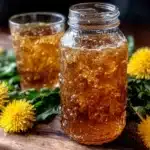
A rustic and traditional homemade dandelion wine recipe that is easy to make with simple ingredients, offering a smooth, floral, and slightly sweet flavor perfect for cozy gatherings and gifting.
- Prep Time: 1 hour active prep
- Cook Time: 24 hours steeping + 5-7 days primary fermentation + 3-6 months secondary fermentation
- Total Time: Approximately 3.5 to 6.5 months including fermentation and aging
- Yield: About 1 gallon (approximately 16 servings) 1x
- Category: Beverage
- Cuisine: Rustic/Traditional
Ingredients
- 4 cups fresh dandelion petals (yellow parts only)
- 1 gallon (3.8 liters) filtered water
- 3 to 4 cups (600 to 800 grams) granulated sugar (organic cane sugar recommended)
- Juice of 2 large lemons plus zest of 1 lemon
- Juice of 1 large orange plus zest
- ½ cup (120 ml) honey (preferably local raw honey)
- 1 teaspoon wine or champagne yeast (Lalvin EC-1118 preferred)
- Optional: 1 cinnamon stick or a few cloves for spiced version
Instructions
- Pick and prepare the dandelions: Gather about 4 cups of freshly picked dandelion petals on a dry day. Pluck only the yellow petals, avoiding green parts. Rinse gently in cool water to remove dirt and bugs. (15 minutes)
- Boil the sugar water: In a large pot, bring 1 gallon (3.8 liters) of filtered water to a boil. Add 3 to 4 cups (600-800 grams) of granulated sugar, stirring until completely dissolved. Remove from heat.
- Steep the petals: Add the dandelion petals, lemon zest, and orange zest to the hot sugar water. Cover and let steep for 24 hours at room temperature. (Do not exceed 48 hours to avoid bitterness.)
- Strain the liquid: Using cheesecloth or a fine mesh strainer, strain the liquid into your fermentation vessel, discarding the petals and zest. Press gently to extract flavor. (10 minutes)
- Add citrus juice and honey: Stir in the juice of 2 lemons and 1 orange, plus ½ cup (120 ml) honey. Mix well until honey is fully incorporated.
- Cool and add yeast: Allow mixture to cool to lukewarm (around 70°F/21°C). Sprinkle 1 teaspoon of wine yeast evenly over the surface. Do not stir.
- Cover and ferment: Fit fermentation vessel with an airlock or cover loosely with a balloon with a tiny pinhole. Place in a dark, warm spot (65-75°F / 18-24°C) for primary fermentation for about 5-7 days until bubbling slows.
- Secondary fermentation: Siphon wine into a clean container, leaving sediment behind. Fit with airlock and let mature for 3-6 months to develop flavor.
- Bottle and age: Once clear and no longer fermenting, bottle the wine in sterilized bottles. Store in a cool, dark place and age for best flavor.
Notes
Avoid green parts of dandelions to prevent bitterness. Use filtered water to avoid chlorine which inhibits yeast. Cool mixture to lukewarm before adding yeast to avoid killing it. Sanitize all equipment thoroughly to prevent spoilage. Patience is key—do not rush fermentation or aging. Optional spices can be added during steeping for variation. Store unopened bottles in a cool, dark place; consume opened bottles within a week refrigerated.
Nutrition
- Serving Size: Approximately 8 ounc
- Calories: 100120
- Sugar: 2530
- Carbohydrates: 2530
Keywords: dandelion wine, homemade wine, rustic wine recipe, floral wine, fermented beverage, easy wine recipe, natural wine, traditional wine