I assumed sheet-pan dinners were just a lazy person’s compromise for when I didn’t feel like scrubbing a roasting pan. I thought the meat would dry out, or the veggies would turn into mushy, flavorless sludge by the time the loaf was done. It took about forty-five minutes for that assumption to fall apart completely.
There I was, staring at a baking sheet that looked like a culinary disaster zone before it even hit the oven. I had piled onions, peppers, and carrots around a raw mound of ground beef, then slapped a spoonful of brown sugar and ketchup on top. It looked messy. It smelled like raw meat and hope. I honestly didn’t think it would work. The edges were burning slightly before the center was even warm.
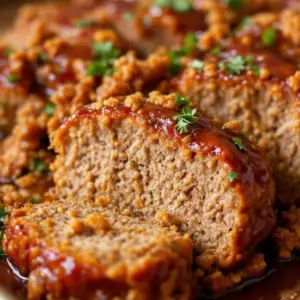
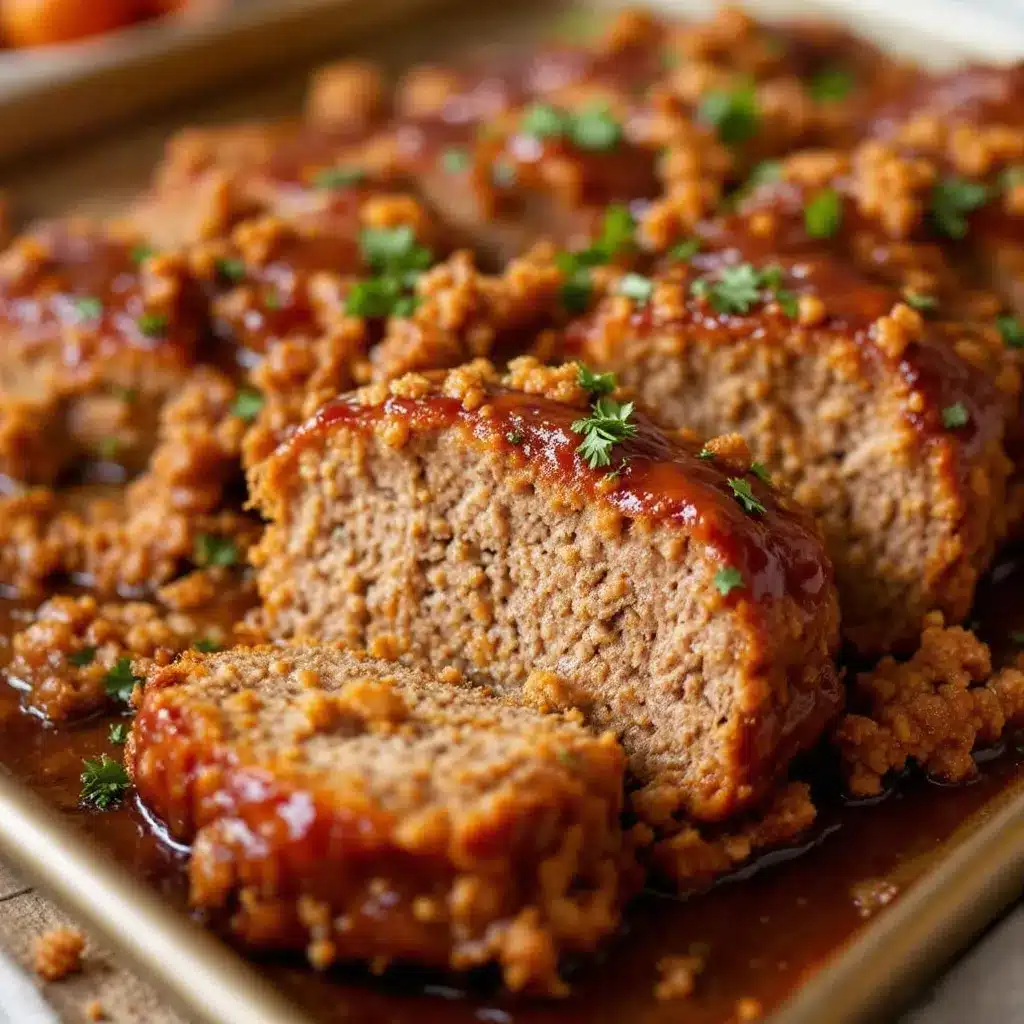
But then, the smell changed. The sugar caramelized into a sticky, dark glaze that clung to the meat. The vegetables softened into sweet, smoky sides that absorbed all the savory juices dripping from the loaf. When I cut into it, the knife slid through without resistance. It wasn’t dry. It wasn’t sad. It was tender, juicy, and coated in that perfect sweet-savory crust I had been chasing for years.
I remember taking the first bite right out of the oven, burning my tongue in the process. It tasted like comfort food stripped of all the fuss. No loaf pan to clean. No worrying about the shape collapsing. Just pure, unadulterated flavor on a single tray. That moment changed how I view weeknight dinners. I stopped seeing sheet-pan meals as a backup plan and started seeing them as the main event. This recipe stuck with me because it solved the biggest problem with traditional meatloaf: the cleanup. Now, whenever I need a quick win, I reach for this sheet-pan version. It’s reliable, it’s delicious, and it doesn’t require a degree in culinary arts to pull off.
Why You’ll Love This Recipe
This isn’t just another meatloaf recipe you’ll find buried in a cookbook from 1955. This is the version that actually works for modern kitchens, where time is short and patience is thinner. I’ve tested dozens of methods, from slow cooker meatballs to individual mini-loaves, and this sheet-pan approach keeps its crown. Here is why it deserves a permanent spot in your rotation:
- Quick & Easy: You can have dinner on the table in under 45 minutes. There is no waiting for an oven to preheat a heavy cast iron, and there is certainly no waiting for a loaf pan to cool before flipping. It comes together fast, perfect for those chaotic Tuesday nights when you’re hungry and grumpy.
- Simple Ingredients: You likely have everything you need right now. Ground beef, brown sugar, ketchup, onion, and basic spices. No fancy grocery trips needed, and no obscure ingredients hiding in the back of your pantry that you bought once and forgot about.
- Perfect for Family Dinners: Kids usually hate meatloaf because it feels like “old person food.” But the sweet glaze and the crispy-edged vegetables? They love it. It’s a crowd-pleaser that gets rave reviews from both toddlers and teenagers alike.
- Unbelievably Delicious: The texture is next-level. Because it cooks flat, the edges get slightly caramelized and crisp, while the inside stays moist. The brown sugar glaze creates a sticky, savory-sweet coating that is addictive. It’s comfort food reimagined—faster, easier, but with the same soul-soothing satisfaction.
- Zero Loaf Pan Stress: Traditional meatloaf often leaks or sticks to the pan, leading to a sad, broken mess when you try to serve it. This method eliminates that risk entirely. You just scoop it onto plates. It’s foolproof.
Whether you are hosting a casual potluck or just trying to survive the workweek, this recipe delivers. It’s the kind of dish that makes you close your eyes after the first bite. It’s hearty, it’s flavorful, and it requires minimal effort for maximum reward.
What Ingredients You Will Need
This recipe uses simple, wholesome ingredients to deliver bold flavor and satisfying texture without the fuss. The magic here lies in the balance between the savory meat and the sweet glaze, along with the vegetables that roast alongside it. Most of these are pantry staples, which makes this recipe incredibly convenient.
- Ground Beef (80/20 blend): Use about 1.5 to 2 pounds. The fat content is crucial for moisture. Lean beef will result in a dry, crumbly loaf. I recommend using a standard supermarket brand, but if you can find a local butcher’s ground chuck, that’s even better for flavor.
- Breadcrumbs: About 1/2 cup. These act as a binder to hold the meatloaf together. Panko breadcrumbs work well if you want a lighter texture, but standard dried breadcrumbs are fine. If you are out, crushed saltine crackers work too.
- Large Eggs: Two eggs, room temperature. They provide structure and help bind the ingredients. Don’t skip these, or your loaf might fall apart on the pan.
- Milk: 1/4 cup of whole milk. This adds moisture and helps soften the breadcrumbs. Dairy-free milk works if needed, but the fat in whole milk helps carry the flavor.
- Yellow Onion: One medium onion, finely diced. Raw onion can be sharp, so dicing it finely ensures it cooks down and sweetens during the roasting process.
- Garlic: Two cloves, minced. Fresh garlic is best here. Jarred minced garlic works in a pinch, but the flavor won’t be as vibrant.
- Worcestershire Sauce: One tablespoon. This adds that deep, umami richness that defines classic meatloaf. It’s a secret weapon for savory depth.
- Seasonings: 1 teaspoon salt, 1/2 teaspoon black pepper, and 1 teaspoon dried parsley. Parsley adds a fresh, herbal note that cuts through the richness of the beef.
- Vegetables for the Pan: 2 cups of chopped carrots and 1 cup of chopped bell peppers. I like using orange bell peppers for their sweetness, which complements the glaze. You can also use celery or zucchini if you prefer.
- For the Glaze: 1/2 cup ketchup, 1/4 cup packed brown sugar, and 1 tablespoon apple cider vinegar. The vinegar balances the sweetness of the sugar and the acidity of the ketchup. This trio creates the sticky, caramelized crust.
For the best results, ensure your vegetables are cut into uniform sizes so they roast evenly. If you are watching your sodium, you can reduce the salt in the meat mixture and rely more on the seasoned glaze.
What size baking sheet do I need?
You will need a standard half-sheet pan (18×13 inches). A smaller quarter sheet pan might be too crowded, leading to steaming instead of roasting. If you only have a smaller pan, you can still make this, but you may need to cook it in two batches or accept that the vegetables will be more crowded.
Equipment Needed
You don’t need much to pull this off, which is part of the appeal. Here is what you need to gather before you start:
- Half-Sheet Pan: A standard 18×13 inch baking sheet. Line it with parchment paper for easy cleanup. If you don’t have parchment, aluminum foil works, but grease it well to prevent sticking.
- Mixing Bowl: A medium-sized bowl for combining the meat mixture. Glass or stainless steel works best so you can see what you are mixing.
- Measuring Cups and Spoons: Basic kitchen tools for the glaze and dry ingredients.
- Pastry Brush or Spoon: To apply the glaze evenly over the top of the loaf.
- Chef’s Knife and Cutting Board: For dicing the onions, peppers, and carrots. A sharp knife makes this step much faster and safer.
- Instant-Read Thermometer: This is the most important tool. It ensures your meatloaf reaches a safe internal temperature of 160°F (71°C) without overcooking. Guessing can lead to dry meat.
If you don’t have a half-sheet pan, a large roasting pan works, but the loaf will be flatter and wider, which might change the cooking time slightly. Budget-friendly options include using a rimmed baking sheet from a discount store, but make sure it is sturdy enough to handle the weight of the meat and vegetables.
Preparation Method
Getting this quick sheet-pan meatloaf with brown sugar glaze ready is straightforward. Follow these steps carefully to ensure the best texture and flavor.
- Preheat and Prep (5 minutes): Preheat your oven to 400°F (200°C). Line a large half-sheet baking pan with parchment paper or aluminum foil. This step is non-negotiable for easy cleanup. The glaze will bubble and stick, so you do not want to scrub a pan later.
- Prepare the Vegetables (5 minutes): Wash and chop your vegetables. Dice the onion, bell pepper, and carrots into roughly 1/2-inch pieces. Toss them with a tablespoon of olive oil, salt, and pepper on the prepared baking sheet. Spread them out in a single layer around the edges of the pan. They will roast alongside the meat, absorbing the savory juices.
- Mix the Meatloaf Base (5 minutes): In a large mixing bowl, combine the ground beef, breadcrumbs, eggs, milk, diced onion, minced garlic, Worcestershire sauce, salt, pepper, and parsley. Use your hands to mix gently. Do not overwork the meat, or it will become tough and dense. Just mix until the ingredients are evenly distributed. You want a tender loaf, not a rubbery patty.
- Shape the Loaf (3 minutes): Scoop the meat mixture onto the center of the baking sheet, away from the vegetables. Shape it into a loaf shape, about 10 inches long and 4 inches wide. Make sure the sides are even so it cooks uniformly. Press it down slightly to create a flat top, which helps the glaze adhere better.
- Make the Glaze (2 minutes): In a small bowl, whisk together the ketchup, brown sugar, and apple cider vinegar until smooth. This mixture should be thick and glossy. Taste it; it should be sweet and tangy. Adjust the sugar or vinegar if you prefer a different balance.
- Apply Glaze and Bake (30-35 minutes): Spoon half of the glaze over the top of the meatloaf, spreading it to the edges. Put the pan in the oven and bake for 20 minutes. After 20 minutes, remove the pan and brush the remaining glaze over the top. This two-step glazing ensures a thick, caramelized crust without burning the sugar too early.
- Check Temperature and Finish (5 minutes): Bake for another 10-15 minutes, or until the internal temperature of the meatloaf reaches 160°F (71°C). The vegetables should be tender and slightly charred at the edges. If the glaze is getting too dark too quickly, you can loosely tent the loaf with foil.
- Rest and Serve (5 minutes): Remove the pan from the oven and let the meatloaf rest for 5 minutes before slicing. This allows the juices to redistribute, keeping the loaf moist. Slice into thick pieces and serve with the roasted vegetables.
During the baking process, you will smell the onions caramelizing and the sugar bubbling. It’s a very inviting scent. If the vegetables start burning before the meat is done, push them further toward the edges of the pan.
Cooking Tips & Techniques
There are a few tricks I’ve learned over the years to make sure this sheet-pan meatloaf turns out perfectly every time. Here is how to avoid common pitfalls.
Don’t Overmix the Meat: This is the most common mistake. When you mix the ground beef, handle it as little as possible. Overmixing develops the proteins, resulting in a tough, dense loaf. Mix until just combined. If the mixture feels too sticky to handle, wet your hands slightly with water.
Use a Thermometer: I cannot stress this enough. Relying on time alone is risky because oven temperatures vary. An instant-read thermometer is your best friend. Insert it into the center of the loaf. Once it hits 160°F, it’s done. Pulling it out early can leave you with undercooked meat, while leaving it in too long dries it out.
Glaze Timing Matters: Sugar burns easily. If you put the glaze on at the very beginning, it might char before the meat is cooked through. That’s why I recommend applying half the glaze at the start and the rest in the last 10 minutes. This gives you a sticky, glossy finish without the bitterness of burnt sugar.
Vegetable Size Consistency: Try to cut your vegetables into similar sizes. If you have huge chunks of carrot and tiny bits of onion, the small bits will burn while the large carrots remain hard. Uniformity ensures even cooking and a better texture for everyone.
Let It Rest: Just like a steak, meatloaf needs to rest. If you slice it immediately, all the juices will run out onto the cutting board, leaving the meat dry. A 5-minute rest allows the fibers to relax and reabsorb the moisture. It’s a small step that makes a big difference.
Leftover Management: If you have leftover glaze, save it! It’s fantastic as a dipping sauce for the vegetables or even as a sandwich spread for the next day’s lunch. Don’t throw it away.
Variations & Adaptations
While the classic version is hard to beat, this recipe is versatile. Here are a few ways to customize it to suit your taste or dietary needs.
Dietary Variations:
For a gluten-free option, use certified gluten-free breadcrumbs or crushed gluten-free crackers. You can also swap the ground beef for ground turkey or ground chicken. If using poultry, add an extra tablespoon of milk or broth to the mixture, as leaner meats can dry out faster. For a dairy-free version, simply omit the milk in the meat mixture or use a plant-based alternative; the impact on texture is minimal.
Flavor Twists:
Love heat? Add a teaspoon of smoked paprika or a dash of cayenne pepper to the meat mixture. For an Italian flair, swap the parsley for dried oregano and basil, and use marinara sauce instead of ketchup for the glaze. If you’re a fan of Asian flavors, try using soy sauce, ginger, and a honey-soy glaze instead of the brown sugar ketchup mix.
Vegetable Swaps:
You are not limited to carrots and peppers. Broccoli florets, green beans, or even sweet potatoes work well on the sheet pan. Just note that denser vegetables like sweet potatoes may need a few extra minutes to cook, so consider par-boiling them briefly before roasting.
My Personal Favorite:
I often add a handful of finely chopped fresh spinach to the meat mixture. It adds moisture and nutrients without changing the flavor profile. The spinach wilts during cooking and disappears into the loaf, making it a sneaky way to get extra veggies in. It’s a game-changer for picky eaters.
Serving & Storage Suggestions
This meatloaf is best served warm, straight from the oven. The contrast between the hot, juicy meat and the slightly crisp, roasted vegetables is the highlight. I like to serve it with a side of creamy mashed potatoes or crusty bread to soak up the extra glaze and juices from the pan.
Storage:
Leftovers can be stored in an airtight container in the refrigerator for up to 4 days. The flavors actually meld together nicely after a day, making it even better the next day. You can also freeze the cooked meatloaf (without the glaze, if possible, though it holds up okay) for up to 3 months. Wrap it tightly in plastic wrap and then foil.
Reheating:
To reheat, slice the meatloaf and microwave individual portions for 1-2 minutes. For a better texture, reheat slices in a skillet over medium heat with a splash of water or broth to keep them moist. You can also warm them in the oven at 350°F for 10-15 minutes. Avoid reheating the whole loaf in the microwave, as it can become rubbery.
Serving Ideas:
This dish pairs wonderfully with a crisp green salad or steamed green beans. For a heartier meal, serve it with garlic bread or roasted potatoes. The sweet and savory profile also complements a light red wine or a cold beer.
Nutritional Information & Benefits
While this is definitely a comfort food dish, it has some nutritional benefits. Ground beef is an excellent source of protein and iron, which are essential for energy and blood health. The vegetables add fiber, vitamins A and C, and antioxidants. The brown sugar provides quick energy, but be mindful of the sugar content in the glaze.
One serving (approx. 1/6th of the loaf with vegetables) contains roughly 350-400 calories, depending on the exact cut of beef and portion size. It is high in protein and moderate in fat. If you are watching your sugar intake, you can reduce the brown sugar in the glaze by half or use a natural sweetener like maple syrup. Overall, it’s a balanced meal that satisfies hearty appetites without being overly heavy.
Conclusion
This quick sheet-pan meatloaf with brown sugar glaze is more than just a recipe; it’s a solution to the weeknight dinner dilemma. It delivers the classic comfort of traditional meatloaf without the hassle, the mess, or the dry texture. I love it because it respects my time and my taste buds equally. It’s forgiving, flavorful, and always a hit at the table.
I encourage you to try it as written first, but don’t be afraid to experiment. Add your favorite herbs, swap the vegetables, or adjust the glaze to your liking. Cooking is about making it your own. This recipe is a starting point, not a rulebook.
If you make this, please come back and leave a comment. I’d love to hear how it turned out for you. Did you add extra veggies? Did your kids clean their plates? Share your adaptations and tips with the community. And if you have friends who struggle with weeknight dinners, share this recipe with them. Let’s make mealtime easier and more delicious together. Enjoy every bite!
FAQs
Can I use ground turkey instead of beef?
Yes, you can use ground turkey. However, turkey is leaner, so add an extra tablespoon of milk or broth to the mixture to keep it moist. Also, check the temperature earlier, as turkey cooks faster and can dry out if overcooked.
How do I prevent the glaze from burning?
Sugar burns easily at high temperatures. To prevent this, apply only half the glaze in the first 20 minutes of baking. Add the remaining glaze in the last 10-15 minutes. If you see it browning too quickly, tent the loaf loosely with aluminum foil.
Can I make this in advance?
You can prepare the meat mixture and shape the loaf up to 24 hours in advance. Store it covered in the refrigerator. When ready to cook, let it sit at room temperature for 15-20 minutes before baking to ensure even cooking. Add the glaze right before putting it in the oven.
What vegetables go best with this recipe?
Carrots, bell peppers, and onions are classic choices. You can also use broccoli, green beans, or sweet potatoes. Just ensure they are cut into uniform pieces so they roast evenly alongside the meatloaf.
How do I store leftovers?
Store leftovers in an airtight container in the refrigerator for up to 4 days. Reheat slices in a skillet with a little broth or in the microwave. You can also freeze the meatloaf for up to 3 months for later meals.
Pin This Recipe!
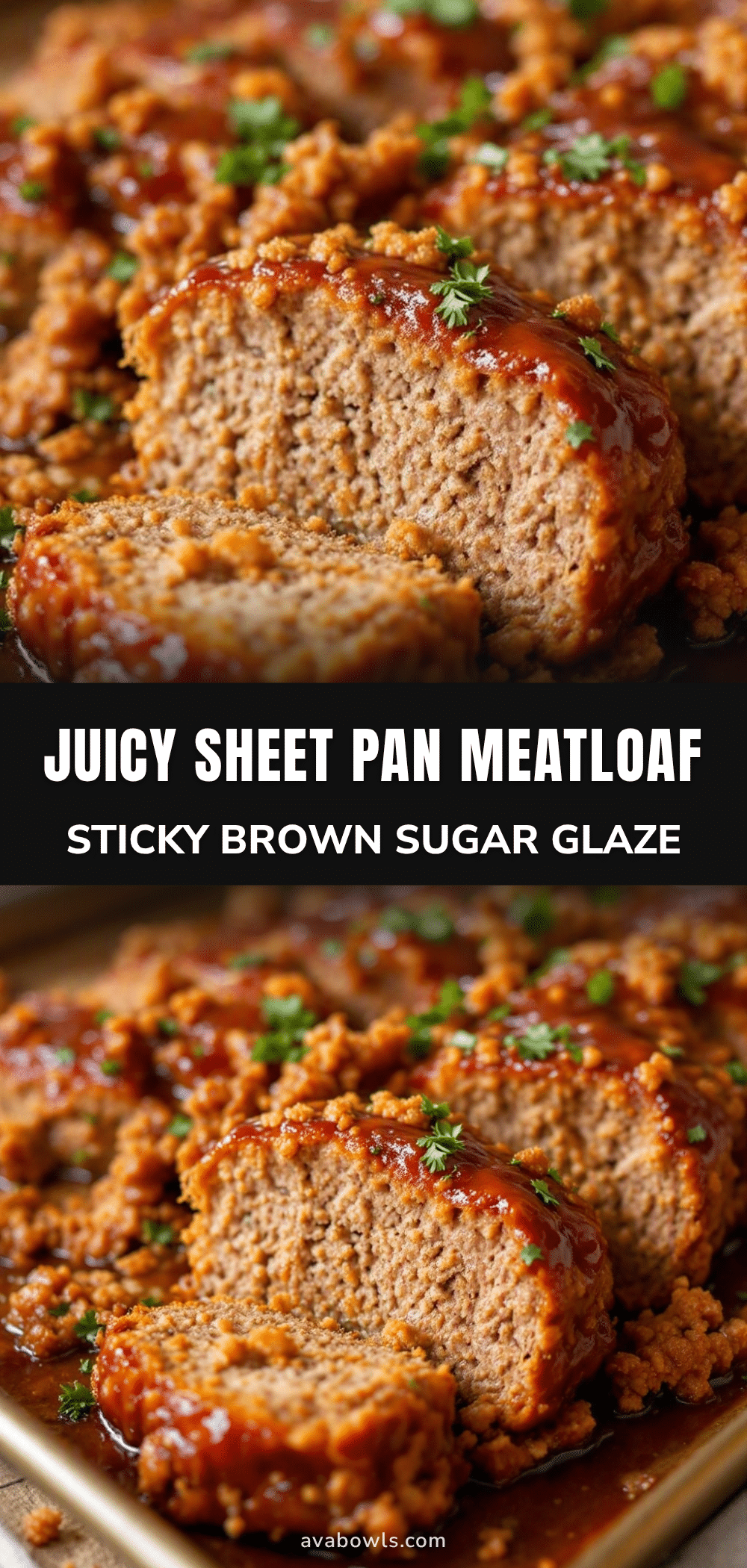
Quick Sheet-Pan Meatloaf with Brown Sugar Glaze
A fast and easy weeknight dinner featuring a juicy ground beef loaf roasted on a single sheet pan with vegetables and topped with a sticky, sweet-savory brown sugar glaze.
- Prep Time: 15 minutes
- Cook Time: 30-35 minutes
- Total Time: 45 minutes
- Yield: 6 servings 1x
- Category: Main Course
- Cuisine: American
Ingredients
- 1.5 to 2 pounds ground beef (80/20 blend)
- 1/2 cup breadcrumbs (or crushed saltine crackers)
- 2 large eggs, room temperature
- 1/4 cup whole milk
- 1 medium yellow onion, finely diced
- 2 cloves garlic, minced
- 1 tablespoon Worcestershire sauce
- 1 teaspoon salt
- 1/2 teaspoon black pepper
- 1 teaspoon dried parsley
- 2 cups chopped carrots
- 1 cup chopped bell peppers
- 1 tablespoon olive oil
- 1/2 cup ketchup
- 1/4 cup packed brown sugar
- 1 tablespoon apple cider vinegar
Instructions
- Preheat oven to 400°F (200°C). Line a standard half-sheet pan (18×13 inches) with parchment paper or aluminum foil.
- Dice the onion, bell pepper, and carrots into 1/2-inch pieces. Toss with olive oil, salt, and pepper, then spread in a single layer around the edges of the prepared baking sheet.
- In a large mixing bowl, combine ground beef, breadcrumbs, eggs, milk, diced onion, minced garlic, Worcestershire sauce, salt, pepper, and parsley. Mix gently with hands until just combined; do not overwork.
- Scoop the meat mixture onto the center of the baking sheet. Shape into a loaf approximately 10 inches long and 4 inches wide, pressing down slightly to create a flat top.
- In a small bowl, whisk together ketchup, brown sugar, and apple cider vinegar until smooth.
- Spoon half of the glaze over the top of the meatloaf, spreading to the edges. Bake for 20 minutes.
- Remove from oven and brush the remaining glaze over the top. Bake for another 10-15 minutes, or until the internal temperature reaches 160°F (71°C).
- Let the meatloaf rest for 5 minutes before slicing. Serve with the roasted vegetables.
Notes
Do not overmix the meat to avoid a tough texture. Use a thermometer to ensure the meat reaches 160°F. Apply glaze in two stages to prevent burning. Let the meatloaf rest before slicing to retain juices.
Nutrition
- Serving Size: 1/6th of the loaf wi
- Calories: 375
- Sugar: 18
- Sodium: 650
- Fat: 20
- Saturated Fat: 8
- Carbohydrates: 25
- Fiber: 3
- Protein: 22
Keywords: sheet pan dinner, meatloaf, quick dinner, weeknight meals, brown sugar glaze, easy recipes, family friendly