I assumed making Classic Pan de Muerto would be a simple mix-and-knead affair, like any other sweet bread you pull together on a Sunday morning. It took about forty-five minutes of staring at a sticky, uncooperative dough ball for that assumption to completely fall apart. I had read the recipes, watched the videos, and even bought the fancy orange blossom water that smelled like a perfume counter explosion. The theory said it would be soft, pillowy, and fragrant. The reality was a dense, angry puck of yeast and flour that refused to rise in the humid air of my kitchen.
Let’s face it, baking this traditional Mexican bread is not just about following instructions; it is about negotiating with the ingredients. I remember the first time I tried, I was so frustrated I almost threw the dough against the wall. It looked nothing like the beautiful, bone-shaped loaves in the bakery windows. It looked like a sad, lumpy rock. I didn’t understand why the yeast was being so difficult, or why the dough felt more like playdough than bread. I was missing the warmth, the patience, and honestly, a bit of luck.
But then, I stopped fighting it. I let it rest longer. I brushed it with an egg wash that shimmered like gold. I added that glaze, and suddenly, the kitchen smelled like an orange grove in spring. The contrast between my initial failure and that final, beautiful loaf was stark. It wasn’t magic; it was just understanding the rhythm of the dough. Now, when I pull this bread out of the oven, the smell hits me before I even open the door. It is a scent that feels like home, even when home is just a small apartment with a drafty window.
This recipe stuck with me because it taught me that patience yields sweetness. It is not just bread; it is a memory of Dia de los Muertos, of sugar skulls and marigolds, of sitting with family who have passed. Making this Classic Pan de Muerto with Orange Blossom Glaze is my way of keeping that connection alive. It is quiet, fragrant, and deeply satisfying.
Why You’ll Love This Recipe
There is a specific kind of comfort that only comes from baking something with deep cultural roots. This isn’t just another sweet roll recipe you find on a random Tuesday. It is a ritual. I have tested dozens of variations, from using instant yeast to slow-rising overnight methods, and this version strikes the perfect balance between ease and authenticity. You get that bakery-quality texture without needing a degree in food science.
Here is why this bread earns a permanent spot in your rotation:
- Quick & Easy: While the dough needs time to rise, the actual hands-on prep is minimal. You can have this ready for a weekend brunch without spending your entire day in the kitchen.
- Simple Ingredients: You likely have most of this in your pantry. Flour, sugar, yeast, eggs, and butter are standard fare. The secret weapon is the orange blossom water, which you can find in most well-stocked grocery stores or online.
- Perfect for Celebrations: Whether it is Dia de los Muertos, Christmas, or just a reason to bake, this bread fits every occasion. It brings a festive touch to any table.
- Crowd-Pleaser: Kids love the bone shapes, and adults love the subtle citrus flavor. It is always a hit at potlucks and family gatherings.
- Unbelievably Delicious: The combination of the soft, anise-spiced dough and the bright, floral glaze is next-level. It is comfort food that feels special.
What makes this recipe different is the attention to the glaze. Many recipes skip it or use a plain sugar dusting. But a Classic Pan de Muerto with Orange Blossom Glaze adds a layer of moisture and aroma that transforms it. It is not just bread; it is an experience. When you break into that warm loaf, the steam carries the scent of oranges and vanilla. It is the kind of bread that makes you close your eyes after the first bite. It is comfort food reimagined—traditional but accessible, with the same soul-soothing satisfaction as a hug from an old friend.
What Ingredients You Will Need
This recipe uses simple, wholesome ingredients to deliver bold flavor and satisfying texture without the fuss. The beauty of this bread lies in how these basic components interact. The fat from the butter creates tenderness, while the yeast provides that essential lift. We will also incorporate subtle spices that are traditional to this bread, creating a complex flavor profile that is warm and inviting.
Here is what you need to get started:
- All-Purpose Flour (500g / 4 cups): The foundation. I recommend a high-protein brand like King Arthur for better structure, though standard flour works fine.
- Active Dry Yeast (7g / 1 packet): Essential for the rise. Make sure it is fresh; old yeast is the number one reason bread fails.
- Sugar (100g / ½ cup): Granulated sugar feeds the yeast and adds sweetness. You can reduce this slightly if you prefer a less sweet loaf.
- Unsalted Butter (113g / ½ cup): Softened to room temperature. This adds richness and that melt-in-your-mouth quality.
- Eggs (2 large, room temperature): These add structure and richness. Room temperature eggs incorporate better into the dough.
- Milk (240ml / 1 cup): Warm, not hot. Whole milk gives the best flavor, but 2% works too.
- Orange Blossom Water (30ml / 2 tbsp): The star ingredient. Use pure orange blossom water, not the syrup, for the best aroma.
- Anise Seeds (1 tsp): Traditional in Pan de Muerto. They add a subtle licorice note that pairs perfectly with orange.
- Salt (1 tsp): To balance the sweetness and strengthen the gluten.
For the glaze, you will need powdered sugar and a little more orange blossom water, plus a splash of milk to adjust consistency. If you cannot find anise seeds, you can skip them, but they are highly recommended for authenticity. For a dairy-free version, you can swap the butter for coconut oil and the milk for oat milk, though the texture will be slightly denser.
Equipment Needed
You do not need a fancy kitchen to make this bread. A few basic tools are all you really need.
- Mixing Bowl: A large bowl, preferably glass or stainless steel, for mixing the dough.
- Measuring Cups and Spoons: Accurate measurements are crucial in baking. A digital scale is even better for the flour.
- Dough Scraper: This is a game-changer for handling sticky dough. It keeps your hands clean and helps you fold the dough easily.
- Baking Sheet: A standard 13×18 inch sheet. Line it with parchment paper for easy cleanup.
- Pastry Brush: Essential for applying the egg wash and glaze evenly.
- Cooling Rack: Allows air to circulate so the bottom of the bread doesn’t get soggy.
If you don’t have a dough scraper, a spatula works in a pinch. For the baking sheet, a dark metal pan will brown the crust faster, so you might need to lower the oven temperature slightly. A light-colored pan is more forgiving for beginners.
Preparation Method
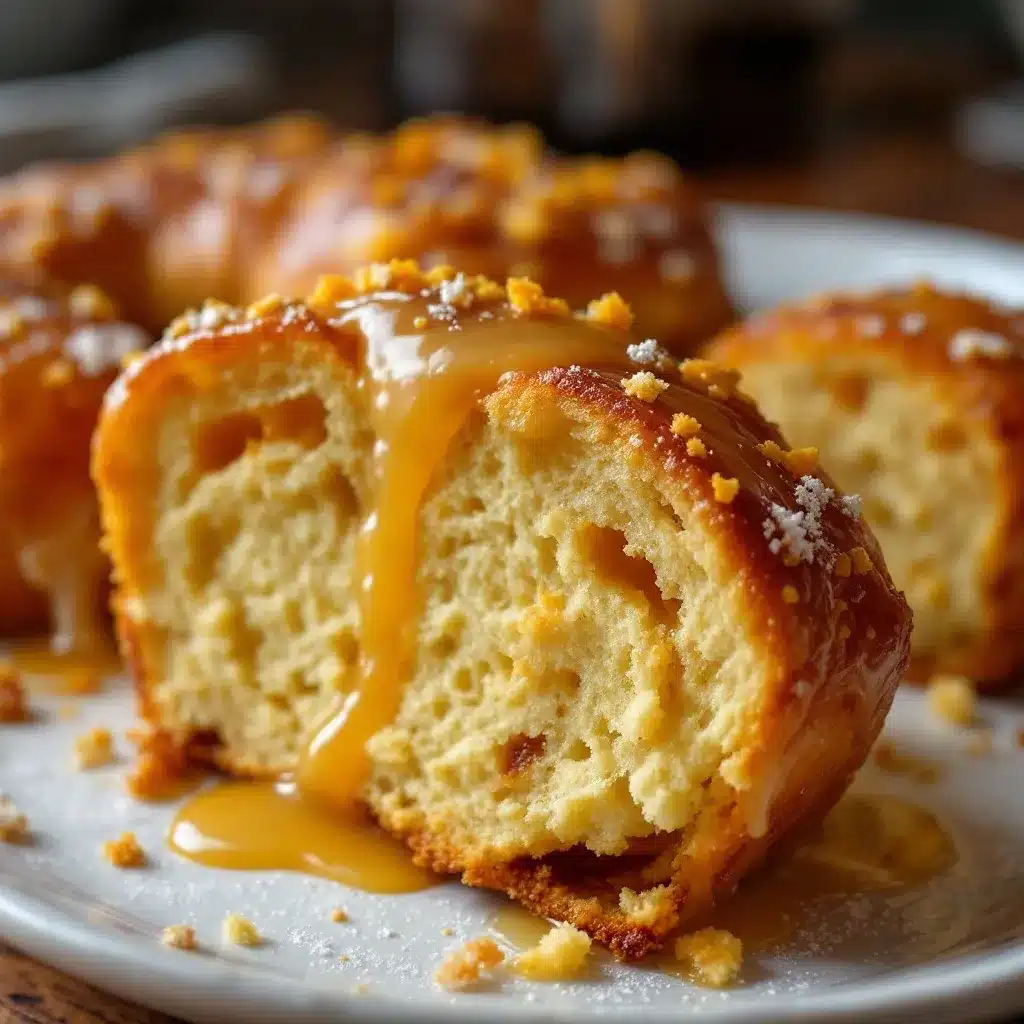
Follow these steps carefully for the best results. The key is patience and attention to detail.
- Activate the Yeast: Warm the milk to about 110°F (43°C). It should feel warm to the touch, not hot. Stir in the sugar and sprinkle the yeast on top. Let it sit for 5-10 minutes until it becomes foamy. If it doesn’t foam, your yeast is dead, and you need to start over.
- Mix the Dry Ingredients: In a large bowl, whisk together the flour, salt, and anise seeds. Create a well in the center.
- Combine Wet and Dry: Add the eggs and softened butter to the well. Pour in the yeast mixture and the orange blossom water. Mix with a wooden spoon or dough hook until a shaggy dough forms.
- Knead the Dough: Turn the dough onto a lightly floured surface. Knead for 8-10 minutes until smooth and elastic. The dough should pass the windowpane test—stretch a small piece thin enough to see light through it without tearing.
- First Rise: Place the dough in a greased bowl, cover with a damp towel, and let it rise in a warm spot for 1-2 hours, or until doubled in size.
- Shape the Bread: Punch down the dough and divide it into portions. Shape the main loaf into a round bun. Roll out smaller pieces into long ropes for the “bones” and cross shapes. Attach them to the main loaf. Place on the lined baking sheet.
- Second Rise: Cover the shaped bread and let it rise again for 30-45 minutes until puffy.
- Bake: Preheat oven to 350°F (175°C). Brush the bread with egg wash. Bake for 25-30 minutes until golden brown and the internal temperature reaches 190°F (88°C).
- Glaze: While the bread bakes, mix the powdered sugar, orange blossom water, and milk. Once the bread is out of the oven and slightly cooled, brush the glaze over the top.
How do I know when the dough is done rising?
You can perform the finger poke test. Gently press a finger into the dough. If the indentation springs back slowly and stays slightly indented, it is ready. If it springs back immediately, it needs more time. If it collapses, it has risen too long.
Why is my dough too sticky?
Humidity affects flour absorption. Add flour one tablespoon at a time until the dough is tacky but not sticky. It should clean the sides of the bowl but may still stick slightly to your hands.
Cooking Tips & Techniques
Baking bread is as much about technique as it is about ingredients. Here are some tips to ensure success.
- Temperature Matters: Yeast is sensitive. Too cold, and it won’t rise. Too hot, and it dies. Keep your kitchen warm, around 75-80°F (24-27°C).
- Don’t Rush the Rise: Patience is key. Let the dough rise until it is visibly doubled, not just by the clock. This develops flavor and texture.
- Handle Gently: When shaping, handle the dough as little as possible to preserve the air bubbles. This ensures a light, airy crumb.
- Watch the Oven: Ovens vary. Check the bread at the 20-minute mark. If the top is browning too fast, cover it loosely with foil.
- Cool Completely: Resist the urge to slice it hot. The bread continues to cook internally, and slicing it hot can make it gummy.
I once rushed the second rise because I was hungry. The result was dense and heavy. It was a hard lesson, but now I always wait until the dough looks puffy and jiggly before baking.
Variations & Adaptations
This recipe is versatile. Here are some ways to make it your own.
- Gluten-Free: Use a 1:1 gluten-free flour blend. You may need to add xanthan gum if your blend doesn’t include it.
- Dairy-Free: Swap butter for coconut oil and milk for almond or oat milk. The flavor will be slightly different but still delicious.
- Flavor Twist: Add lemon zest or a splash of rum to the dough for a different citrus profile.
- Savory Option: Reduce the sugar and add cheese and herbs for a savory bread version.
I once tried adding chocolate chips to the dough. It was a bit too sweet, but my kids loved it. It is all about personal preference.
Serving & Storage Suggestions
Serve this bread warm, sliced thick. It pairs beautifully with coffee or hot chocolate. For a special touch, serve it with a dollop of whipped cream or a slice of queso fresco.
Store leftovers in an airtight container at room temperature for up to 3 days. For longer storage, wrap tightly in plastic wrap and freeze for up to 3 months. To reheat, warm in the oven at 300°F (150°C) for 10 minutes. The flavors develop over time, so it is often better on day two.
Nutritional Information & Benefits
This bread is a source of carbohydrates and energy. It contains dairy and gluten, so it is not suitable for those with allergies. The orange blossom water adds antioxidants and a calming aroma. Enjoy in moderation as part of a balanced diet. It is a treat, not a staple.
Conclusion
Making Classic Pan de Muerto with Orange Blossom Glaze is a rewarding experience. It connects you to tradition and brings warmth to your home. I hope you try this recipe and make it your own. Share your creations in the comments below. I love seeing your variations. Happy baking!
FAQs
Can I use instant yeast instead of active dry yeast?
Yes, you can. You do not need to activate it in milk. Simply mix it directly with the flour.
What if I can’t find orange blossom water?
You can use orange zest and a little orange juice, but the flavor will be less intense. It is worth seeking out the water for authenticity.
How do I store the bread to keep it fresh?
Keep it in an airtight container at room temperature. Do not refrigerate, as it will dry out faster.
Can I freeze the shaped dough before baking?
Yes, freeze the shaped dough on the baking sheet, then transfer to a bag. Thaw and let rise before baking.
Why is my bread dense?
This is usually due to under-proofing or using old yeast. Ensure your yeast is active and let the dough rise fully.
Pin This Recipe!
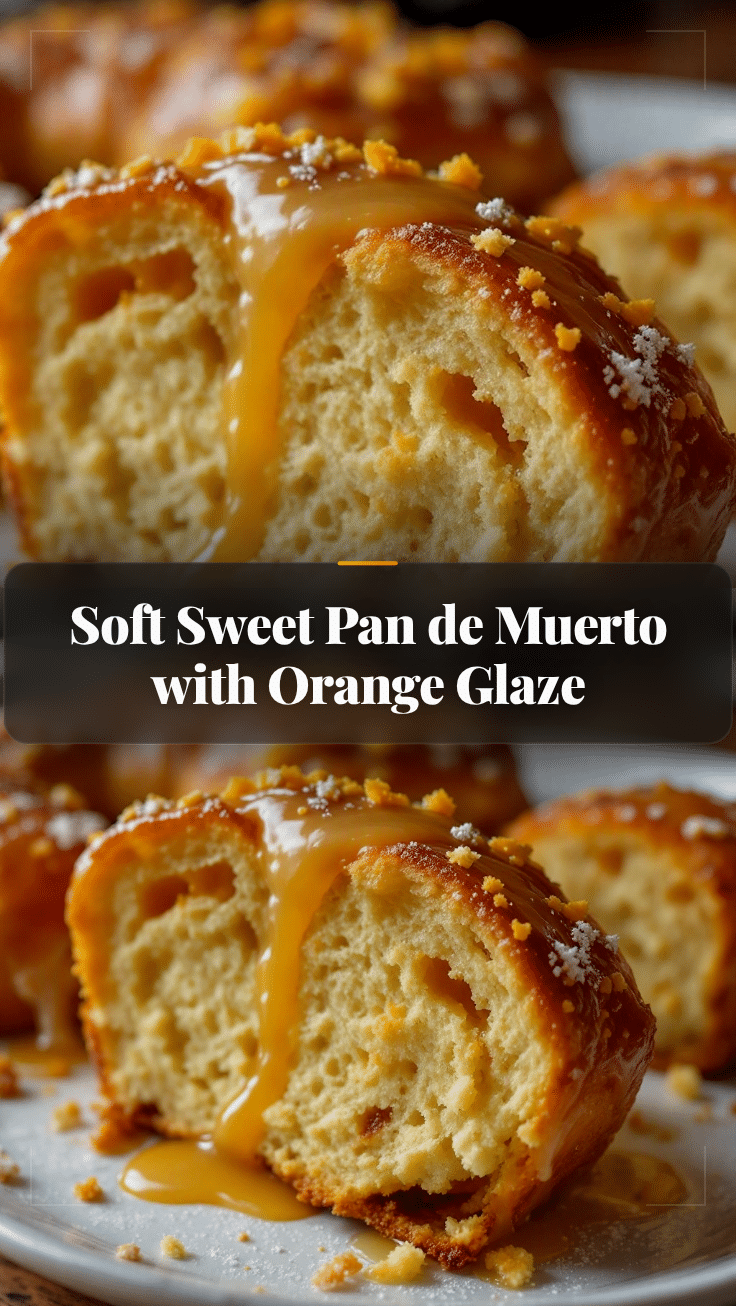
Classic Pan De Muerto: Best Easy Mexican Bread Recipe

A traditional Mexican sweet bread infused with orange blossom water and anise, topped with a fragrant orange blossom glaze. This recipe balances ease with authenticity, perfect for Dia de los Muertos or any celebration.
- Prep Time: 45 minutes
- Cook Time: 30 minutes
- Total Time: 1 hour 15 minutes
- Yield: 1 large loaf 1x
- Category: Dessert
- Cuisine: Mexican
Ingredients
- 500g (4 cups) All-Purpose Flour
- 7g (1 packet) Active Dry Yeast
- 100g (½ cup) Granulated Sugar
- 113g (½ cup) Unsalted Butter, softened
- 2 large Eggs, room temperature
- 240ml (1 cup) Milk, warm
- 30ml (2 tbsp) Orange Blossom Water
- 1 tsp Anise Seeds
- 1 tsp Salt
- Powdered Sugar (for glaze)
- Splash of Milk (for glaze consistency)
Instructions
- Warm milk to 110°F (43°C). Stir in sugar and sprinkle yeast on top. Let sit for 5-10 minutes until foamy.
- In a large bowl, whisk together flour, salt, and anise seeds. Create a well in the center.
- Add eggs and softened butter to the well. Pour in the yeast mixture and orange blossom water. Mix until a shaggy dough forms.
- Knead the dough on a lightly floured surface for 8-10 minutes until smooth and elastic, passing the windowpane test.
- Place dough in a greased bowl, cover with a damp towel, and let rise in a warm spot for 1-2 hours until doubled.
- Punch down dough and divide. Shape main loaf into a round bun. Roll smaller pieces into ropes for ‘bones’ and cross shapes. Attach to main loaf.
- Place shaped bread on a lined baking sheet. Cover and let rise again for 30-45 minutes until puffy.
- Preheat oven to 350°F (175°C). Brush bread with egg wash.
- Bake for 25-30 minutes until golden brown and internal temperature reaches 190°F (88°C).
- Mix powdered sugar, orange blossom water, and milk for the glaze. Brush over the slightly cooled bread.
Notes
Ensure yeast is fresh and active. Humidity affects flour absorption, so add flour gradually if dough is too sticky. Do not rush the rising process. For dairy-free, swap butter for coconut oil and milk for oat milk. For gluten-free, use a 1:1 gluten-free flour blend.
Nutrition
- Serving Size: 1 slice
- Calories: 280
- Sugar: 12
- Sodium: 350
- Fat: 8
- Saturated Fat: 4
- Carbohydrates: 45
- Fiber: 2
- Protein: 6
Keywords: Pan de Muerto, Mexican Bread, Dia de los Muertos, Orange Blossom Water, Sweet Bread, Holiday Baking, Traditional Recipe