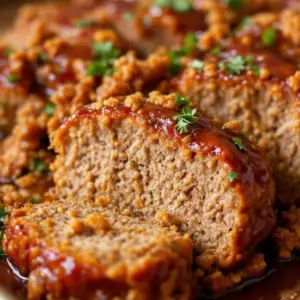
My husband did not trust meatloaf. For years, he’d tell me the same story about his childhood—a dry, gray brick of ground beef that sat on his plate like a punishment. He swore off meatloaf completely. So when I first made this version, I didn’t even tell him what it was. I just set the table and watched him take that first bite. He stopped chewing, looked at me, and said, “Wait. What is this?” That was the moment I knew I had cracked the code.
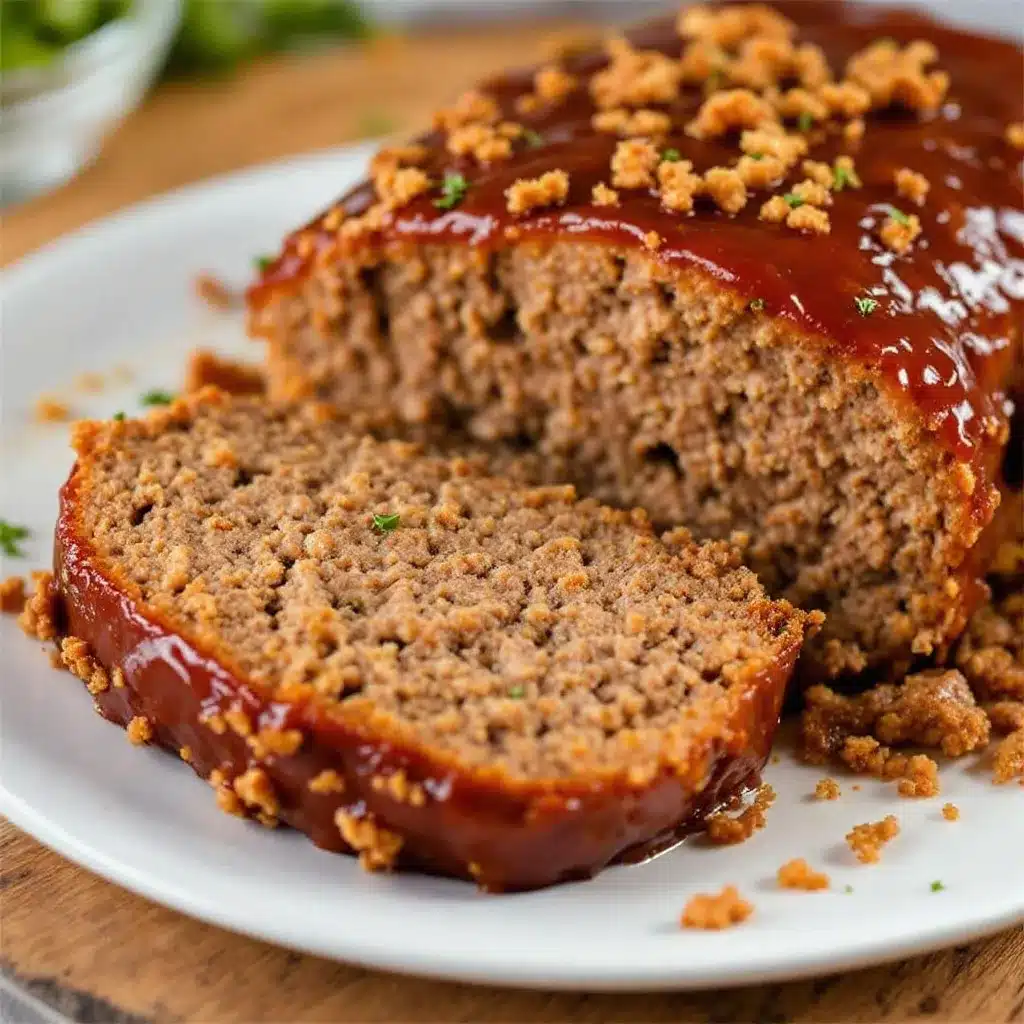
The secret, honestly, is the glaze. Most meatloaf recipes treat the topping like an afterthought—a squirt of ketchup that burns into a sad, bitter crust. But this brown sugar glaze? It caramelizes into this sticky, tangy-sweet shell that locks in all the moisture. The first time I pulled a pan of this out of the oven, the kitchen smelled like a diner from my childhood, the kind with red vinyl booths and coffee that’s always fresh. I’m not saying it changed my husband’s life, but he did ask for seconds. And then he asked for the recipe. That’s a win in my book.
This really is the best classic meatloaf with brown sugar glaze you will ever make. It’s the kind of dinner that feels like a hug after a long day. It’s forgiving, it’s filling, and it makes the whole house smell like home. I’ve tested this recipe more times than I can count, tweaking the ratio of beef to pork, adjusting the glaze until it had that perfect balance of sweet and tangy. And now, I’m handing it over to you. Trust me on this one—even the skeptics will come around.
Why You’ll Love This Recipe
I’ll be honest with you—I’ve made a lot of meatloaves over the years. Some were good. Some were forgettable. But this one? This one earned a permanent spot in our dinner rotation. Here’s why you’re going to love it too:
- Incredibly Moist: The combination of ground beef and ground pork, plus a panade (that’s just a fancy word for breadcrumbs soaked in milk), keeps every slice tender and juicy. No dry meatloaf here.
- That Brown Sugar Glaze: This isn’t your average ketchup topping. The brown sugar caramelizes into a glossy, sticky crust that adds a sweet-tangy punch. It’s honestly the star of the show.
- Simple Pantry Ingredients: You probably have most of these items in your kitchen right now. No fancy trips to specialty stores required.
- Perfect for Leftovers: Cold meatloaf sandwiches the next day? Yes, please. This recipe is just as good—if not better—the next day.
- Crowd-Pleaser: I’ve served this at family dinners, potlucks, and casual get-togethers. It disappears every single time. Even the picky eaters go back for seconds.
- Foolproof Method: I’ve tested this recipe more times than I can count. No weird techniques or complicated steps. Just straightforward, reliable cooking.
What sets this recipe apart is the attention to detail. It’s the little things—like sautéing the onions and garlic before adding them to the meat mixture, or letting the loaf rest for a full ten minutes after baking. These small steps make a big difference. And honestly, once you taste that caramelized brown sugar glaze, you’ll never go back to plain ketchup again.
Ingredients You Will Need
This recipe uses simple, everyday ingredients to create something truly special. The magic is in how they work together—each component plays a role in building flavor and texture. Here’s everything you’ll need:
For the Meatloaf
- 1 ½ pounds ground beef (80/20) – I prefer 80/20 for the best balance of flavor and moisture. Too lean, and your meatloaf will be dry. Too fatty, and it might fall apart. Ground chuck is my go-to.
- ½ pound ground pork – This adds richness and keeps the meatloaf tender. If you can’t find ground pork, you can use all beef, but trust me, the pork makes a difference. (I use a local butcher’s blend, but any good-quality ground pork works.)
- 1 cup plain breadcrumbs – These help bind the meatloaf and absorb moisture. Panko works too, but I find regular breadcrumbs give a softer texture.
- ½ cup whole milk – This soaks into the breadcrumbs to create a panade, which keeps the meatloaf incredibly moist. You can use 2% or even oat milk if needed.
- 1 medium yellow onion, finely diced – Sautéing the onion before adding it to the meat mixture is non-negotiable. Raw onion releases water as it cooks, making the meatloaf soggy. Sauté it first for the best texture.
- 3 cloves garlic, minced – Fresh garlic is best here. Don’t use the jarred stuff—it lacks that pungent, aromatic kick.
- 2 large eggs, lightly beaten – Eggs act as a binder, holding everything together. Make sure they’re at room temperature so they incorporate evenly.
- 2 tablespoons Worcestershire sauce – This adds a deep, savory umami flavor. I recommend Lea & Perrins for the best taste.
- 1 tablespoon Dijon mustard – A little tang and sharpness to cut through the richness. Yellow mustard works in a pinch, but Dijon has a more complex flavor.
- 1 teaspoon salt – Use kosher salt if you have it. It distributes more evenly than table salt.
- ½ teaspoon black pepper – Freshly ground is always better.
- ½ teaspoon smoked paprika – This adds a subtle smokiness that takes the meatloaf to another level. Regular paprika works too.
- ¼ teaspoon dried thyme – A whisper of herbal flavor. Don’t skip it—it’s subtle but important.
- 2 tablespoons fresh parsley, chopped (optional) – For a pop of color and freshness at the end.
For the Brown Sugar Glaze
- ½ cup ketchup – The base of the glaze. Use a good-quality ketchup like Heinz for the best flavor.
- ¼ cup packed brown sugar – This is what caramelizes into that gorgeous, sticky crust. Light or dark brown sugar both work; dark will give a deeper molasses flavor.
- 1 tablespoon apple cider vinegar – Adds acidity to balance the sweetness. White vinegar works too, but apple cider has a milder, fruitier note.
- 1 teaspoon Worcestershire sauce – More umami depth for the glaze.
- ½ teaspoon garlic powder – Not fresh garlic—powdered blends more smoothly into the glaze.
Ingredient Substitutions: If you need a gluten-free option, use gluten-free breadcrumbs or crushed pork rinds. For a dairy-free version, swap the milk for unsweetened almond milk or oat milk. You can also replace the ground pork with ground turkey, but the meatloaf will be a bit leaner.
Equipment Needed
You don’t need a fancy kitchen to make this recipe. Here’s what you’ll need:
- Large mixing bowl – For combining all the ingredients. A stainless steel or glass bowl works best.
- 9×5-inch loaf pan – The classic shape. If you don’t have one, you can shape the meatloaf by hand on a lined baking sheet—it just won’t have the traditional loaf shape.
- Parchment paper or aluminum foil – For lining the pan. This makes cleanup a breeze and prevents sticking.
- Chef’s knife and cutting board – For dicing the onion and mincing the garlic.
- Medium skillet – For sautéing the onion and garlic. A non-stick skillet works well here.
- Small bowl – For mixing the glaze.
- Measuring cups and spoons – Accuracy matters in baking, but for meatloaf, you can be a little more relaxed.
- Meat thermometer – This is your best friend. Don’t guess when the meatloaf is done—use a thermometer to check for 160°F (71°C). I use a simple instant-read digital thermometer, and it’s never let me down.
- Cooling rack – For letting the meatloaf rest after baking. This prevents the bottom from getting soggy.
Budget-Friendly Tip: If you don’t have a loaf pan, you can shape the meatloaf into a free-form loaf on a rimmed baking sheet. It will cook slightly faster, so keep an eye on the internal temperature.
Preparation Method
Let’s get cooking. This process is straightforward, but I’ll walk you through every step so you know exactly what to look for.
- Preheat your oven to 350°F (175°C). Line a 9×5-inch loaf pan with parchment paper, leaving some overhang on the sides. This will make it easy to lift the meatloaf out later. Set aside.
- Make the panade. In a small bowl, combine the breadcrumbs and milk. Let it sit for 5 minutes until the breadcrumbs have absorbed the liquid. This mixture, called a panade, is the secret to a moist meatloaf. It looks like a thick paste when it’s ready.
- Sauté the aromatics. Heat a medium skillet over medium heat and add a drizzle of olive oil. Add the diced onion and cook for 4-5 minutes, stirring occasionally, until it’s soft and translucent. Add the minced garlic and cook for another 30 seconds until fragrant. Remove from heat and let it cool slightly. (If you add hot onions to the meat, it can start cooking the meat prematurely.)
- Mix the glaze. In a small bowl, whisk together the ketchup, brown sugar, apple cider vinegar, Worcestershire sauce, and garlic powder. Set aside. You’ll use about half of this for the top of the meatloaf before baking, and the rest for basting later.
- Combine the meatloaf ingredients. In a large mixing bowl, combine the ground beef, ground pork, sautéed onion and garlic, panade, beaten eggs, Worcestershire sauce, Dijon mustard, salt, pepper, smoked paprika, and dried thyme. Use your hands to mix everything together gently. Do not overmix—overworking the meat will make it tough. Mix just until everything is evenly incorporated. You should see small flecks of onion and herbs throughout the mixture.
- Shape the meatloaf. Transfer the meat mixture to the prepared loaf pan. Press it down gently and evenly, making sure there are no air pockets. The top should be slightly domed in the center.
- Apply the first layer of glaze. Spread about half of the brown sugar glaze evenly over the top of the meatloaf. Reserve the remaining glaze for later.
- Bake the meatloaf. Place the loaf pan on a baking sheet (to catch any drips) and bake for 45 minutes. After 45 minutes, carefully remove the pan from the oven and spread the remaining glaze over the top. Return to the oven and bake for another 15-20 minutes, or until the internal temperature reaches 160°F (71°C) when measured with a meat thermometer inserted into the center of the loaf.
- Rest the meatloaf. Once done, remove the meatloaf from the oven and let it rest in the pan for 10 minutes. This is crucial—it allows the juices to redistribute throughout the loaf. If you slice it too soon, it will fall apart.
- Slice and serve. Use the parchment paper overhang to lift the meatloaf out of the pan. Transfer it to a cutting board. Slice into 1-inch thick pieces and serve warm.
Pro Tip: If you want a more caramelized crust, you can broil the meatloaf for the last 2-3 minutes of baking. Watch it closely so the glaze doesn’t burn.
Cooking Tips & Techniques
Over the years, I’ve learned a few things the hard way. Here are my best tips for perfect meatloaf every time:
- Don’t skip the panade. I know it seems like an extra step, but the breadcrumb-milk mixture is what keeps your meatloaf from turning into a dry, crumbly mess. It’s the difference between a good meatloaf and a great one.
- Use a meat thermometer. This is non-negotiable. Ground meat needs to reach 160°F (71°C) for food safety, but if you cook it much past that, it will dry out. A thermometer takes the guesswork out of the equation.
- Let it rest. I’ve made the mistake of slicing into a meatloaf right out of the oven. It fell apart into a pile of crumbles. Letting it rest for 10 minutes allows the proteins to relax and the juices to settle. Trust me on this.
- Don’t overmix. When you combine the ingredients, use a light touch. Overmixing develops the gluten in the breadcrumbs and makes the meatloaf dense and tough. Think of it like making meatballs—gentle is the way to go.
- Line your pan. Parchment paper makes cleanup so much easier. The glaze can get sticky and caramelized on the pan, and scrubbing that off is no fun. The paper lifts right out.
- Watch the glaze. Brown sugar can burn quickly. If you notice the glaze getting too dark during baking, tent the meatloaf loosely with aluminum foil for the remaining time.
- Make it ahead. You can assemble the meatloaf (without the glaze) a day in advance. Cover it and refrigerate. When you’re ready to bake, add the glaze and add about 10 minutes to the cooking time since you’re starting from cold.
Variations & Adaptations
One of the best things about this recipe is how versatile it is. Here are some ways to make it your own:
- Turkey Meatloaf: Swap the ground beef and pork for ground turkey (93/7 works best). Add an extra tablespoon of olive oil to keep it moist. The flavor will be milder, but the glaze still shines.
- Cheesy Stuffed Meatloaf: After pressing half the meat mixture into the pan, make a shallow well and add a layer of shredded cheddar or mozzarella cheese. Top with the remaining meat mixture and bake as directed. The cheese melts into gooey pockets of goodness.
- BBQ Glaze Variation: Replace the ketchup in the glaze with your favorite barbecue sauce. Use honey instead of brown sugar for a different kind of sweetness. This gives the meatloaf a smoky, Southern-style twist.
- Vegetable-Packed Meatloaf: Finely grate a carrot and a zucchini, squeeze out the excess moisture, and add them to the meat mixture. This adds moisture and nutrients without changing the flavor too much. My kids didn’t even notice.
- Gluten-Free Option: Use gluten-free breadcrumbs or crushed pork rinds. The pork rinds add a surprising amount of moisture and flavor—I actually prefer them sometimes.
- Spicy Meatloaf: Add 1-2 tablespoons of sriracha or a finely diced jalapeño (seeds removed) to the meat mixture. Add a pinch of cayenne to the glaze for extra heat.
I once made a version with finely chopped mushrooms mixed into the meat, and it was incredible. The mushrooms added an earthy, umami depth that paired perfectly with the sweet glaze. It’s a great way to sneak in extra veggies.
Serving & Storage Suggestions
This meatloaf is a meal in itself, but the right sides can make it truly special.
Serving Suggestions: Serve the meatloaf warm, sliced into thick pieces, with a generous spoonful of the pan juices drizzled on top. Classic sides like mashed potatoes and green beans are always a hit. For something lighter, try a simple arugula salad with lemon vinaigrette to cut through the richness. And don’t forget the bread—a slice of crusty bread is perfect for soaking up any extra glaze and juices. If you’re looking for a cozy pairing, this meatloaf goes beautifully with a bowl of hearty Tuscan white bean soup with kale for a comforting dinner duo.
Storage Instructions: Leftover meatloaf can be stored in an airtight container in the refrigerator for up to 4 days. The flavors actually deepen overnight, making it even better the next day. To reheat, place slices in a 300°F (150°C) oven for 10-15 minutes, or microwave individual portions for 1-2 minutes. For a crispy edge, reheat slices in a skillet over medium heat with a splash of water, covered, for about 5 minutes.
Freezing Instructions: This meatloaf freezes beautifully. Let it cool completely, then wrap it tightly in plastic wrap and then aluminum foil. Freeze for up to 3 months. To reheat, thaw in the refrigerator overnight, then bake at 350°F (175°C) for 20-25 minutes, or until warmed through. You can also freeze individual slices for quick lunches.
Leftover Ideas: The best part of making meatloaf might be the leftovers. Slice it cold for sandwiches on toasted bread with a smear of mayo and a slice of cheddar. Crumble it into a skillet with eggs for a hearty breakfast hash. Or chop it up and add it to a pot of creamy roasted tomato basil soup for a deconstructed meatball soup situation. The possibilities are endless.
Nutritional Information & Benefits
While this is definitely a comfort food, it does offer some nutritional benefits. Here’s an approximate breakdown per serving (based on 8 servings):
| Nutrient | Amount per Serving |
|---|---|
| Calories | 385 |
| Protein | 28g |
| Fat | 22g |
| Saturated Fat | 8g |
| Carbohydrates | 18g |
| Fiber | 1g |
| Sugar | 11g |
| Sodium | 680mg |
Health Benefits: The beef and pork provide high-quality protein, iron, and B vitamins. The onions and garlic offer antioxidants and anti-inflammatory compounds. If you want to boost the nutritional profile, try the vegetable-packed variation or swap in ground turkey for a lower-fat option.
Dietary Considerations: This recipe contains gluten (breadcrumbs), dairy (milk), and eggs. For a gluten-free version, use gluten-free breadcrumbs. For a dairy-free version, use unsweetened almond milk. This recipe is not suitable for a vegan or vegetarian diet.
I’m not a nutritionist, but I believe in balance. This meatloaf is a treat, and it’s okay to enjoy it as part of a varied diet. Pair it with a big green salad or roasted vegetables, and you’ve got a satisfying, well-rounded meal.
Conclusion
This is the meatloaf that changed my husband’s mind. It’s the one I make when I want to feel like a good cook without any of the stress. The brown sugar glaze caramelizes into a sticky, sweet-tangy crust that contrasts perfectly with the tender, juicy meat. It’s comfort food at its finest.
I hope you give this recipe a try. Don’t be afraid to make it your own—add more garlic, swap the glaze, stuff it with cheese. Cooking is about making food that makes you happy. And honestly, this meatloaf makes everyone happy.
If you do make it, I’d love to hear how it turned out. Leave a comment below and let me know if you converted any skeptics in your life. And if you’re looking for other easy, crowd-pleasing dinners, you might enjoy these savory Philly cheesesteak sliders for another weeknight win. Happy cooking!
Frequently Asked Questions
Can I make this meatloaf without a loaf pan?
Absolutely. Shape the meat mixture into a free-form loaf on a parchment-lined baking sheet. It will cook a bit faster, so start checking the internal temperature at 45 minutes. The edges will get a little crispier, which is actually quite nice.
Why did my meatloaf fall apart when I sliced it?
This usually happens for one of two reasons: you didn’t let it rest long enough, or the mixture was too wet. Make sure you let the meatloaf rest for at least 10 minutes after baking. Also, if you’re using a leaner meat blend, you might need to add an extra egg or a bit more breadcrumbs to help bind it.
Can I use quick-cooking oats instead of breadcrumbs?
Yes, you can. Use ¾ cup of quick-cooking oats instead of 1 cup of breadcrumbs. The texture will be slightly different—a bit more rustic—but it works well. Rolled oats will also work, but they’ll give a coarser texture.
How do I prevent the glaze from burning?
Brown sugar can burn if it’s exposed to high heat for too long. If you notice the glaze getting too dark during baking, tent the meatloaf loosely with aluminum foil for the remaining time. You can also apply the second layer of glaze later in the baking process, as the recipe suggests.
Can I double this recipe?
Yes, but you’ll need to use two loaf pans. Don’t try to cram all the meat into one pan—it won’t cook evenly. Bake both pans at the same time, rotating them halfway through. The cooking time may increase by 10-15 minutes, so rely on your meat thermometer.
Pin This Recipe!
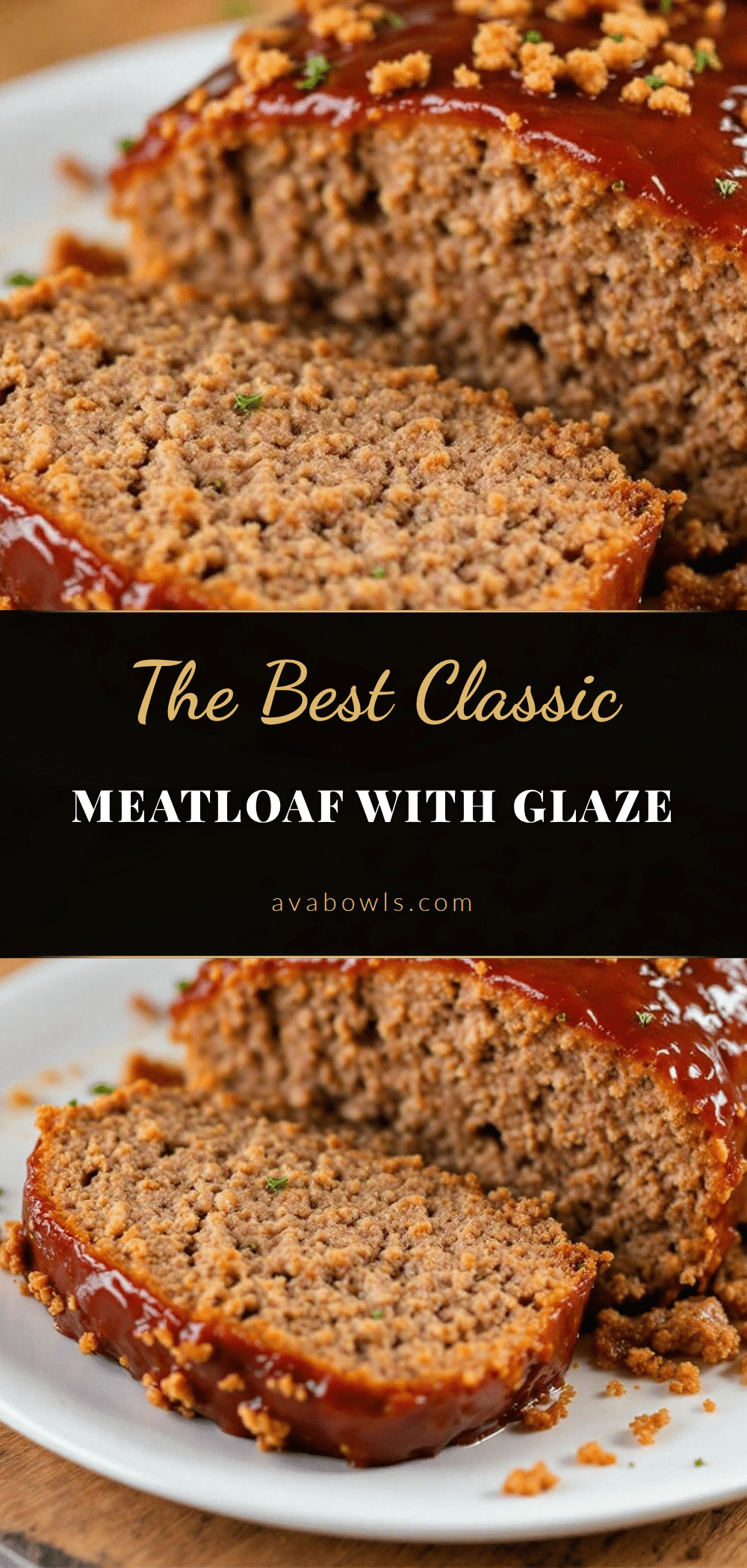
The Best Classic Meatloaf with Brown Sugar Glaze – Easy 5-Star Recipe
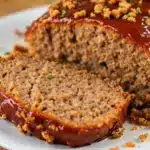
This classic meatloaf with a caramelized brown sugar glaze is incredibly moist, tender, and packed with flavor. It’s a foolproof, crowd-pleasing dinner that even skeptics will love.
- Prep Time: 20 minutes
- Cook Time: 1 hour 5 minutes
- Total Time: 1 hour 25 minutes
- Yield: 8 servings 1x
- Category: Main Course
- Cuisine: American
Ingredients
- 1 ½ pounds ground beef (80/20)
- ½ pound ground pork
- 1 cup plain breadcrumbs
- ½ cup whole milk
- 1 medium yellow onion, finely diced
- 3 cloves garlic, minced
- 2 large eggs, lightly beaten
- 2 tablespoons Worcestershire sauce
- 1 tablespoon Dijon mustard
- 1 teaspoon salt
- ½ teaspoon black pepper
- ½ teaspoon smoked paprika
- ¼ teaspoon dried thyme
- 2 tablespoons fresh parsley, chopped (optional)
- ½ cup ketchup
- ¼ cup packed brown sugar
- 1 tablespoon apple cider vinegar
- 1 teaspoon Worcestershire sauce
- ½ teaspoon garlic powder
Instructions
- Preheat your oven to 350°F (175°C). Line a 9×5-inch loaf pan with parchment paper, leaving some overhang on the sides.
- Make the panade: In a small bowl, combine the breadcrumbs and milk. Let it sit for 5 minutes until the breadcrumbs have absorbed the liquid.
- Sauté the aromatics: Heat a medium skillet over medium heat and add a drizzle of olive oil. Add the diced onion and cook for 4-5 minutes until soft and translucent. Add the minced garlic and cook for another 30 seconds until fragrant. Remove from heat and let cool slightly.
- Mix the glaze: In a small bowl, whisk together the ketchup, brown sugar, apple cider vinegar, Worcestershire sauce, and garlic powder. Set aside.
- Combine the meatloaf ingredients: In a large mixing bowl, combine the ground beef, ground pork, sautéed onion and garlic, panade, beaten eggs, Worcestershire sauce, Dijon mustard, salt, pepper, smoked paprika, and dried thyme. Use your hands to mix gently until just combined.
- Shape the meatloaf: Transfer the meat mixture to the prepared loaf pan. Press it down gently and evenly.
- Apply the first layer of glaze: Spread about half of the brown sugar glaze evenly over the top of the meatloaf.
- Bake the meatloaf: Place the loaf pan on a baking sheet and bake for 45 minutes. After 45 minutes, spread the remaining glaze over the top. Return to the oven and bake for another 15-20 minutes, or until the internal temperature reaches 160°F (71°C).
- Rest the meatloaf: Remove from the oven and let it rest in the pan for 10 minutes.
- Slice and serve: Use the parchment paper overhang to lift the meatloaf out of the pan. Transfer to a cutting board. Slice into 1-inch thick pieces and serve warm.
Notes
For a more caramelized crust, broil the meatloaf for the last 2-3 minutes of baking. Watch closely so the glaze doesn’t burn. Let the meatloaf rest for at least 10 minutes before slicing to allow juices to redistribute.
Nutrition
- Serving Size: 1 slice (1/8 of loaf
- Calories: 385
- Sugar: 11
- Sodium: 680
- Fat: 22
- Saturated Fat: 8
- Carbohydrates: 18
- Fiber: 1
- Protein: 28
Keywords: meatloaf, brown sugar glaze, classic meatloaf, comfort food, easy dinner, ground beef, ground pork