“Wait, you can actually make salmon that tastes like the restaurant version at home?” My neighbor Jen leaned over my balcony, spatula in hand, eyeing the fillets on my grill like they held secrets. It was a Tuesday evening in late June, the kind where the sun hangs around just long enough to make you believe summer might actually last forever. I had a glass of something cold in one hand, tongs in the other, and the smell of garlic and butter drifting through the alley between our buildings.
She wasn’t wrong to be skeptical. For years, my grilled salmon turned out dry, bland, or stuck to the grates like it was personally offended. I’d follow recipes to the letter and still end up with fish that needed a gallon of tartar sauce to choke down. Then I spent a summer obsessing over it—reading through old issues of Cook’s Illustrated, watching fishermen prep their catch on docks in Maine, and finally figuring out that the secret wasn’t some fancy marinade or expensive technique. It was simpler than that. It was about understanding when to leave the fish alone.
This perfect grilled salmon with lemon garlic butter is the result of all those failed fillets and one very patient husband who ate every single one. It’s the recipe I make when I want to feel like I know what I’m doing in the kitchen. And honestly? It works every single time.
Why You’ll Love This Recipe
Let me tell you why this particular way of making grilled salmon has become my go-to for everything from lazy weeknights to dinner parties where I’m trying to impress people without actually breaking a sweat.
- Quick & Easy : From fridge to plate in under 20 minutes. No marinating required, no complicated steps. Just simple, direct cooking that delivers every time.
- Simple Ingredients : You probably have most of this in your kitchen right now. Butter, garlic, lemon, salt, pepper. That’s it. No hunting down obscure spices or specialty oils.
- Perfect for Entertaining : Salmon looks fancy on a plate. It feels like a special occasion meal, but it takes less time than making a decent pasta sauce. Your guests will think you spent an hour on it.
- Crowd-Pleaser : Even people who “don’t really like fish” tend to love this. The lemon garlic butter does something magical to the flavor, and the grill gives it that smoky edge that makes everything better.
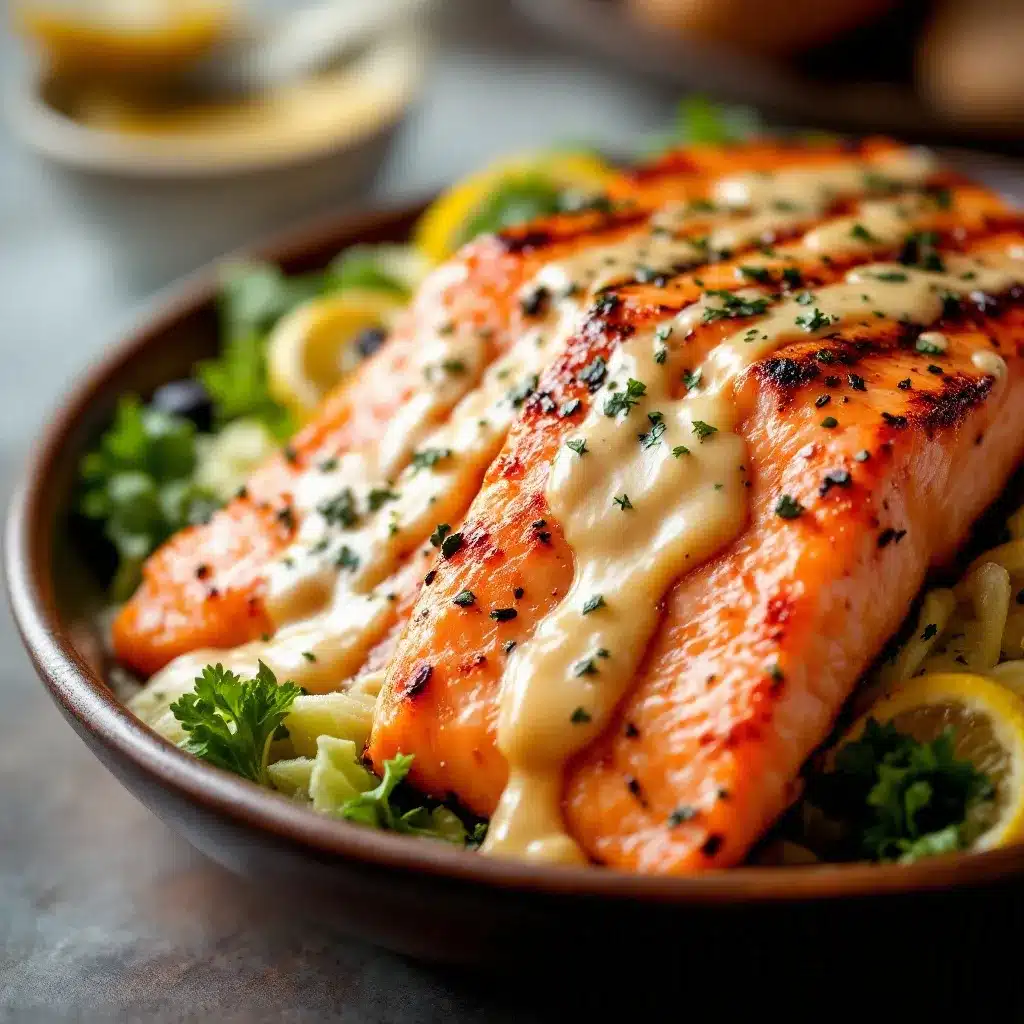
- Unbelievably Delicious : The texture is what gets me every time. Crispy, golden-brown crust on the outside, buttery and flaky on the inside, with little pools of garlicky butter hiding in the crevices. It’s the kind of food that makes you close your eyes after the first bite.
What makes this version different from all the other grilled salmon recipes out there? It’s the technique. Most recipes tell you to flip the fish constantly or move it around the grill. I learned the hard way that the best thing you can do is set it down and walk away. Give it time to develop that gorgeous crust, and it will release from the grates on its own when it’s ready. No sticking, no tearing, no stress.
This isn’t just good grilled salmon. It’s the kind that makes you wonder why you ever bothered ordering it at a restaurant.
What Ingredients You Will Need
This recipe relies on a handful of quality ingredients doing their jobs without any fuss. Here’s what you’ll need and why each one matters.
For the Salmon
- 4 salmon fillets (6 oz each), skin on : Look for fillets that are about the same thickness so they cook evenly. I prefer wild-caught when I can find it—something about the flavor just tastes cleaner to me. But farm-raised works beautifully here too, especially since it tends to be a little fattier, which means more forgiving on the grill.
- 2 tablespoons olive oil : You want something with a neutral flavor that can handle high heat. Save your fancy extra-virgin stuff for salads.
- 1 teaspoon kosher salt : Don’t skimp here. Salt brings out the natural sweetness of the fish and helps create that crispy crust.
- ½ teaspoon black pepper, freshly ground : Fresh makes a difference. The pre-ground stuff just doesn’t have the same pop.
For the Lemon Garlic Butter
- 4 tablespoons unsalted butter : Use the good stuff. Salted butter works in a pinch, but unsalted lets you control the seasoning better. Kerrygold is my pick if you want to get specific.
- 4 cloves garlic, minced : Fresh garlic only. The jarred stuff will make you sad here. Mince it fine so it melts into the butter without burning.
- 1 large lemon : You’ll need both the zest and the juice. Zest it before you juice it—trust me, trying to zest a naked lemon is a frustrating experience.
- 2 tablespoons fresh parsley, chopped : Flat-leaf or curly, doesn’t matter much. Parsley adds a fresh note that cuts through the richness.
- Pinch of red pepper flakes (optional) : I add these maybe half the time. They don’t make it spicy, just give it a little warmth in the background.
For Serving (Optional but Recommended)
- Lemon wedges : For squeezing over the top at the table. Some people like extra acidity, and I’m one of them.
- Fresh dill or additional parsley : A little green on top makes everything look more intentional.
A quick note on sourcing: If you’re near a good fish counter, ask the person behind it which salmon came in most recently. Fresh fish doesn’t smell “fishy”—it should smell like the ocean, clean and briny. If it smells strong, pass on it and try somewhere else.
Equipment Needed
You don’t need a lot of fancy gear for this, which is part of why I love it. Here’s what you’ll actually use:
- Gas or charcoal grill : Either works. I use a gas grill most of the time because it’s faster and easier to control the temperature, but charcoal adds a smoky flavor that’s hard to beat. If you’ve got a charcoal grill and the patience to wait for it, go that route.
- Fish spatula : This is one of those tools that genuinely makes a difference. The thin, angled blade slides under delicate fish without breaking it apart. A regular spatula works, but you’ll lose some of that beautiful crust.
- Small saucepan : For melting the butter and garlic together. Nothing fancy needed.
- Basting brush : Silicone or natural bristle, doesn’t matter. You just need something to paint that garlic butter onto the fish.
- Instant-read thermometer : This is the secret weapon. Guessing doneness is how dry salmon happens. A thermometer takes the guesswork out. I’ve had the same Thermapen for years and it’s never let me down.
- Tongs : For handling the fillets before and after cooking.
- Cutting board and knife : For mincing garlic and chopping parsley.
If you don’t have a fish spatula, don’t run out and buy one just for this. A thin metal spatula will do the job. But if you cook fish regularly, it’s worth the investment—mine cost about twelve bucks and has saved countless fillets from falling through the grates.
Preparation Method
Alright, let’s get cooking. I’ll walk you through every step like we’re standing at the grill together.
Step 1: Prep the Salmon
Take your salmon fillets out of the fridge about 15 minutes before you plan to cook them. Cold fish straight from the fridge will cook unevenly—the outside will be done before the center gets warm. Pat each fillet dry with paper towels. This is important. Moisture is the enemy of a good sear, and we want that crispy crust. Brush both sides lightly with olive oil, then season generously with salt and pepper. Don’t be shy with the salt—salmon can handle it.
Step 2: Make the Lemon Garlic Butter
While the salmon rests, melt the butter in a small saucepan over low heat. Add the minced garlic and cook for about 30 seconds, just until it becomes fragrant. You don’t want the garlic to brown—browned garlic turns bitter. Remove from heat and stir in the lemon zest, lemon juice, and parsley. If you’re using red pepper flakes, add them now. Set this aside but keep it warm. You’ll use it in two ways: some for basting during cooking, some for drizzling at the end.
Step 3: Preheat the Grill
Heat your grill to medium-high heat, around 400-450°F. You want it hot enough to sear but not so hot that the butter burns the second it hits the grates. Clean the grates well with a wire brush, then use a paper towel dipped in oil (grab it with your tongs) to lightly oil the grates. This helps prevent sticking.
Step 4: Grill the Salmon, Skin Side Down First
Place the fillets on the grill, skin side down, at a 45-degree angle to the grates. This gives you those nice crosshatch grill marks if you’re into that sort of thing. Close the lid and let them cook undisturbed for 4-6 minutes, depending on thickness. Here’s the hard part: don’t touch them. Don’t poke them. Don’t try to peek underneath. The fish will release from the grates naturally when it’s ready. If you try to flip it and it sticks, it’s not ready yet. Give it another minute.
Step 5: Flip and Baste
After 4-6 minutes, use your fish spatula to gently flip each fillet. The skin should be crispy and golden. Brush the cooked side generously with your lemon garlic butter. Close the lid and cook for another 3-4 minutes, depending on thickness. I usually start checking at 3 minutes.
Step 6: Check for Doneness
This is where the thermometer earns its keep. Insert it into the thickest part of the fillet. You’re looking for 125-130°F for medium, which is how I prefer it—still slightly translucent in the center, moist and tender. If you like it more well-done, go to 135-140°F, but be careful not to go much higher or it’ll dry out. No thermometer? Check by gently pressing the side of the fillet with your finger. It should flake easily but still hold together. The flesh should look opaque except for a tiny bit of translucency in the center.
Step 7: Rest and Serve
Transfer the salmon to a serving platter and drizzle with the remaining lemon garlic butter. Let it rest for 2-3 minutes—this lets the juices redistribute so every bite is moist. Garnish with fresh parsley or dill and serve with lemon wedges on the side.
Cooking Tips & Techniques
I’ve made every mistake you can make with grilled salmon, so you don’t have to. Here are the things I wish someone had told me years ago.
Let the grill do the work. The biggest mistake people make is moving the fish around too much. Once it hits the grates, leave it alone. The heat creates a bond between the fish and the grates, and when it’s properly seared, it releases on its own. Forcing it off early tears the skin and leaves half your dinner stuck to the grill.
Watch the heat. If your grill is too hot, the outside will burn before the inside cooks. If it’s not hot enough, the fish will steam instead of sear, and you’ll end up with pale, sad salmon. Medium-high is the sweet spot. If you see flames licking up around the fish, your grill is too hot—move the fillets to a cooler spot or turn down the burners.
Don’t overcook it. Salmon continues to cook after you take it off the grill (this is called carryover cooking). I pull mine off at 125°F and by the time it rests, it climbs to about 130°F. If you wait until it hits 135°F on the grill, it’ll end up at 140°F on the plate, which is dry city.
Skin on or off? Keep the skin on for grilling. It protects the delicate flesh from the direct heat and gets wonderfully crispy. Plus, it’s easier to flip a skin-on fillet. If you don’t like eating the skin, it peels off easily after cooking.
Room temperature matters. I mentioned taking the salmon out of the fridge 15 minutes before cooking, but if you’re in a hurry, 10 minutes will do. Just don’t skip this step entirely. Cold fish cooks unevenly, and that’s how you end up with a raw center and a burnt exterior.
Variations & Adaptations
Once you’ve mastered the basic recipe, here are some ways to change it up depending on your mood, what’s in season, or who you’re feeding.
Herb Crust : Before grilling, press a mixture of chopped fresh dill, parsley, and chives onto the flesh side of the salmon. The herbs char slightly on the grill and create a fragrant, crispy crust that’s gorgeous with the lemon butter.
Spicy Honey Glaze : Swap the lemon garlic butter for a mixture of 2 tablespoons honey, 1 tablespoon sriracha, and 1 tablespoon soy sauce. Brush it on during the last 2 minutes of cooking on each side. The sugar caramelizes beautifully, and the heat balances the richness of the fish.
Mediterranean Version : Skip the butter and use olive oil instead. Add minced oregano, thyme, and a pinch of cumin to the oil. Serve with a dollop of tzatziki and a side of roasted vegetables. This version is lighter but still packed with flavor.
Air Fryer Adaptation : No grill? No problem. Preheat your air fryer to 400°F. Place the seasoned fillets skin-side down in the basket and cook for 7-9 minutes, depending on thickness. Brush with the lemon garlic butter halfway through. It won’t have the smoky flavor, but the texture is surprisingly close.
Dairy-Free Option : Replace the butter with a good quality vegan butter or use olive oil infused with garlic and lemon zest. The texture will be slightly different, but the flavor is still bright and satisfying.
I tried the spicy honey version last summer when I had a bunch of extra jalapeños from my neighbor’s garden, and it was a happy accident. The sweetness of the honey with the heat of the pepper and the richness of the salmon—it just worked. Sometimes the best variations come from using up what you have.
Serving & Storage Suggestions
This salmon is versatile enough to work with almost any side dish, but here are my favorite ways to serve it.
What to serve with it: A simple arugula salad with lemon vinaigrette cuts through the richness beautifully. Roasted asparagus or green beans are classic choices. For something more substantial, serve it over a bed of fluffy rice or alongside creamy lemon ricotta pasta for a meal that feels truly special. The bright citrus notes in both dishes complement each other perfectly.
Temperature matters: Serve the salmon warm, not piping hot. Letting it rest for those 2-3 minutes brings it to the perfect eating temperature where the flavors are most pronounced. Cold salmon is also delicious—I’ve been known to eat leftovers straight from the fridge for breakfast.
Storage: Leftover salmon keeps in an airtight container in the refrigerator for up to 3 days. The texture won’t be quite as good as fresh, but it’s still lovely flaked over a salad or turned into salmon cakes. If you have a lot left over, consider making a batch of nourish bowls for easy lunches throughout the week.
Reheating: The microwave will dry it out, so avoid that if you can. Instead, reheat it gently in a skillet over low heat with a splash of water or lemon juice, covered, for about 2-3 minutes. Or flake it cold into a salad or grain bowl. Honestly, I prefer it cold.
Freezing: Cooked salmon freezes well for up to 2 months. Wrap each fillet tightly in plastic wrap, then place in a freezer bag. Thaw overnight in the refrigerator. The texture will be softer after freezing, so it’s best used in dishes where it’ll be flaked or mixed in, like pasta or salads.
Nutritional Information & Benefits
This recipe isn’t just delicious—it’s genuinely good for you. Here’s the breakdown per serving (one 6 oz fillet with butter sauce):
- Calories: Approximately 420
- Protein: 38g
- Fat: 28g (mostly healthy fats from salmon and butter)
- Carbohydrates: 2g
- Omega-3 fatty acids: Rich source
- Vitamin D: Excellent source
- Vitamin B12: Excellent source
Wild salmon is one of the best natural sources of omega-3 fatty acids, which support heart health, brain function, and reduce inflammation throughout the body. The lemon provides a solid dose of vitamin C, and garlic has been shown to support immune health. Even the butter, in moderation, provides fat-soluble vitamins A, D, E, and K. This is the kind of meal that tastes indulgent but actually supports your health goals.
If you’re watching your sodium, you can reduce the salt to ½ teaspoon and add extra lemon juice or herbs for flavor. For a lower-calorie version, skip the butter basting and just brush the salmon with olive oil before grilling, then squeeze fresh lemon over the top at the end.
Frequently Asked Questions
Can I use frozen salmon for this recipe?
Yes, but you need to thaw it completely first. The best way is to transfer it from the freezer to the refrigerator the night before. If you’re in a rush, place the sealed fillets in a bowl of cold water for about 30 minutes. Pat them very dry before seasoning—frozen fish holds more moisture, and you need to get rid of that excess water for a good sear.
How do I know when my grill is at the right temperature?
Hold your hand about 5 inches above the grates. If you can keep it there for 4-5 seconds before it feels too hot, you’re at medium-high heat. Any less than that and your grill is too hot; any more and it’s too cool. After a few times, you’ll be able to tell just by the way the fish sizzles when it hits the grates.
What if I don’t have a fish spatula?
Use a thin metal spatula. The key is to slide it gently between the skin and the grates, working from the edge toward the center. If the fish resists, it’s not ready to flip yet. Give it another minute and try again.
Can I cook this on a grill pan indoors?
Absolutely. Heat a cast iron grill pan over medium-high heat until it’s smoking slightly. Oil it lightly, then cook the salmon exactly as you would on an outdoor grill. You won’t get the smoky flavor, but the texture will be similar. Just make sure your kitchen is well-ventilated—grill pans can get smoky.
How do I keep the garlic from burning in the butter?
Keep the heat low when you’re making the butter sauce. Garlic burns quickly over high heat, and burnt garlic tastes bitter and acrid. I melt the butter over low heat, add the garlic, and stir constantly for about 30 seconds. Then I remove it from the heat entirely. The residual warmth is enough to infuse the butter without cooking the garlic further.
Conclusion
This perfect grilled salmon with lemon garlic butter has become one of those recipes that I make on autopilot now. It’s the one I turn to when I want to feel like a good cook without actually working very hard. It’s the one that makes people ask for the recipe before they’ve finished eating. And honestly, it’s the one that taught me that sometimes the best food comes from learning to get out of your own way.
Don’t be afraid to make this your own. Use more lemon if you like things tart. Add extra garlic if you’re cooking for fellow garlic lovers. Throw some fresh herbs on top because it makes you feel fancy. The beauty of this recipe is that it’s forgiving enough to handle your personal touches while still delivering that perfect result every time.
If you give this a try, I’d love to hear how it goes. Leave a comment below and let me know what you served it with, or tag me in your photos if you share them online. And if you’re looking for more easy weeknight dinners that feel special without the stress, check out the rest of the recipes on the blog—I’ve got plenty more where this came from.
Now go fire up that grill. Your dinner is waiting.
Pin This Recipe!
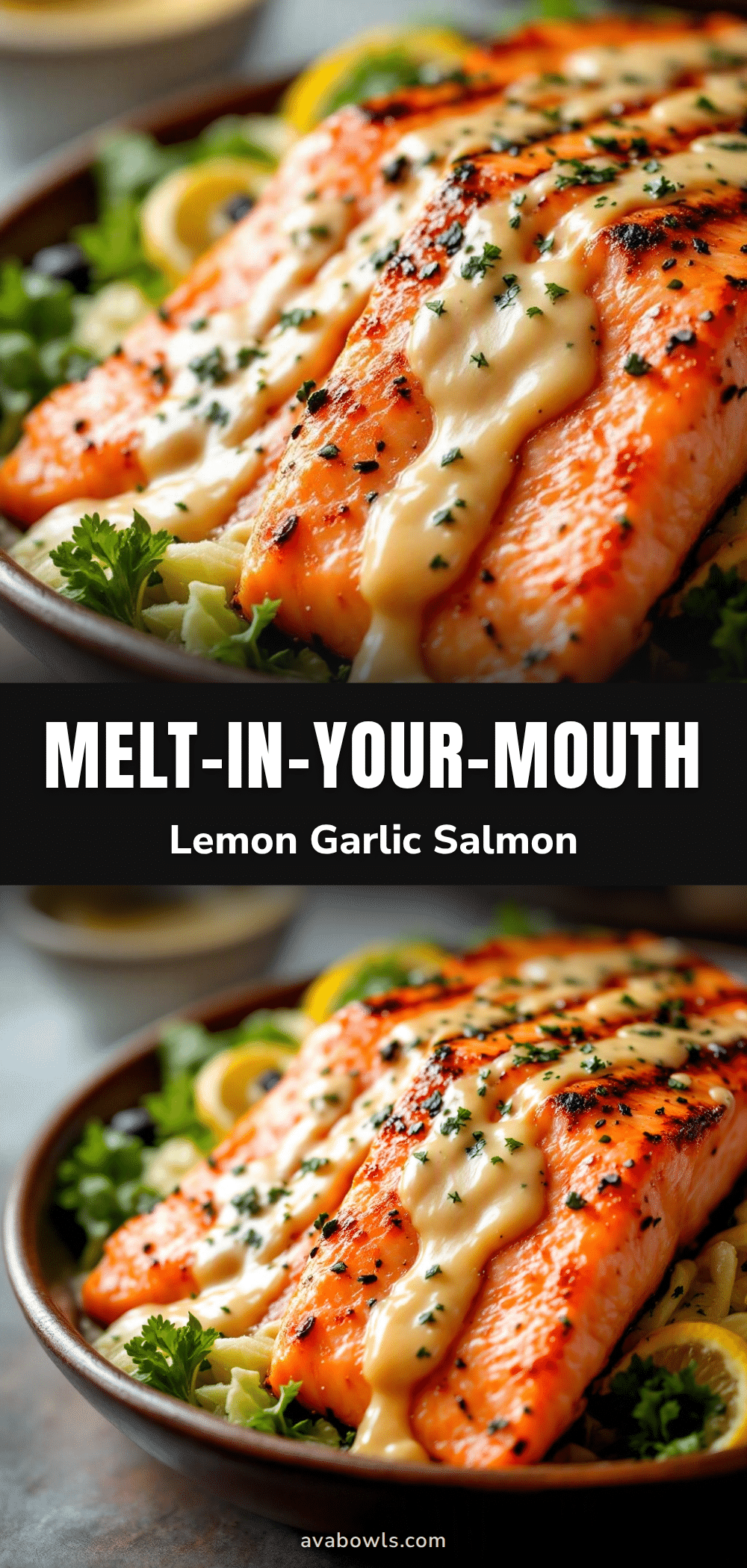
Perfect Grilled Salmon with Lemon Garlic Butter (Easy Recipe)
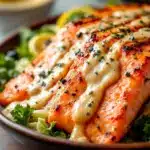
This perfect grilled salmon with lemon garlic butter is the result of all those failed fillets and one very patient husband who ate every single one. It’s the recipe I make when I want to feel like I know what I’m doing in the kitchen.
- Prep Time: 15 minutes
- Cook Time: 10 minutes
- Total Time: 25 minutes
- Yield: 4 servings 1x
- Category: Main Course
- Cuisine: American
Ingredients
- 4 salmon fillets (6 oz each), skin on
- 2 tablespoons olive oil
- 1 teaspoon kosher salt
- ½ teaspoon black pepper, freshly ground
- 4 tablespoons unsalted butter
- 4 cloves garlic, minced
- 1 large lemon (zest and juice)
- 2 tablespoons fresh parsley, chopped
- Pinch of red pepper flakes (optional)
- Lemon wedges (for serving)
- Fresh dill or additional parsley (for garnish)
Instructions
- Take your salmon fillets out of the fridge about 15 minutes before you plan to cook them. Pat each fillet dry with paper towels. Brush both sides lightly with olive oil, then season generously with salt and pepper.
- While the salmon rests, melt the butter in a small saucepan over low heat. Add the minced garlic and cook for about 30 seconds, just until fragrant. Remove from heat and stir in the lemon zest, lemon juice, and parsley. If using red pepper flakes, add them now. Set aside but keep warm.
- Heat your grill to medium-high heat, around 400-450°F. Clean the grates well with a wire brush, then use a paper towel dipped in oil to lightly oil the grates.
- Place the fillets on the grill, skin side down, at a 45-degree angle to the grates. Close the lid and let them cook undisturbed for 4-6 minutes, depending on thickness.
- After 4-6 minutes, use your fish spatula to gently flip each fillet. Brush the cooked side generously with your lemon garlic butter. Close the lid and cook for another 3-4 minutes, depending on thickness.
- Check for doneness using an instant-read thermometer inserted into the thickest part of the fillet. You’re looking for 125-130°F for medium. Alternatively, press gently with your finger; it should flake easily but still hold together.
- Transfer the salmon to a serving platter and drizzle with the remaining lemon garlic butter. Let it rest for 2-3 minutes. Garnish with fresh parsley or dill and serve with lemon wedges on the side.
Notes
Let the grill do the work—don’t move the fish around too much. Watch the heat to avoid burning. Don’t overcook; salmon continues to cook after being removed from the grill. Keep the skin on for grilling. Take salmon out of the fridge 15 minutes before cooking for even cooking.
Nutrition
- Serving Size: 1 fillet with butter
- Calories: 420
- Sugar: 1
- Sodium: 600
- Fat: 28
- Saturated Fat: 10
- Carbohydrates: 2
- Protein: 38
Keywords: grilled salmon, lemon garlic butter, easy salmon recipe, summer grilling, healthy dinner