My husband took one bite of this delicata squash and just stopped talking. He stood there at the kitchen counter, fork halfway to his mouth, and gave me this look like I’d accidentally done something right for once. Honestly, I wasn’t expecting that reaction. I had sliced the squash mostly because it was sitting on the counter looking pretty, and I needed something to go with dinner. But that silence—the kind where someone’s too busy eating to form words—told me everything I needed to know.
This crispy maple glazed roasted delicata squash has become our go-to fall side dish, and it’s not even close. The edges get all caramelized and crunchy, while the inside stays tender and almost buttery. And that maple glaze? It seeps into every little ridge and crevice, creating these pockets of sweetness that hit you mid-chew. I’ve made it three times in the last two weeks, and I’m not sorry about it.
The thing about delicata squash is you don’t have to peel it. The skin is thin and completely edible, which means less prep work and more time doing literally anything else. It roasts up faster than butternut or acorn squash too, so you’re looking at about 25 minutes from counter to table. That’s practically instant gratification in the vegetable world.
I stumbled onto this combo by accident, honestly. I was making a creamy butternut squash soup for a dinner party and had extra maple syrup on the counter. The squash got glazed almost as an afterthought, and now it’s the star of the show. Funny how that works.
Why You’ll Love This Recipe
This isn’t just another roasted squash recipe. It’s the one that converts people who swear they don’t like squash. I’ve seen it happen at least four times now.
- Quick & Easy: From start to table in under 30 minutes. No peeling, no complicated steps, no stress.
- Simple Ingredients: You probably have most of these in your pantry right now. Maple syrup, olive oil, salt, pepper—that’s it.
- Perfect for Fall Gatherings: It looks impressive on a holiday table but comes together so fast you can make it on a random Tuesday.
- Crowd-Pleaser: Even picky eaters go back for seconds. The crispy edges and sweet glaze are hard to resist.
- Unbelievably Delicious: The contrast between the caramelized exterior and the tender interior is honestly next-level.
What makes this different from other roasted squash recipes is the technique. Most recipes just toss everything together and hope for the best. I figured out that roasting the squash cut-side down first creates that deep caramelization, then flipping it and adding the glaze at the end keeps the maple flavor from burning. It’s a small tweak, but it changes everything.
This is the kind of side dish that makes you close your eyes after the first bite. It’s comfort food that somehow feels special without requiring a ton of effort. Perfect for impressing guests or just treating yourself to something genuinely delicious on a regular weeknight.
What Ingredients You Will Need
This recipe uses simple, wholesome ingredients that work together to create something way more impressive than the sum of their parts. Most of these are pantry staples, which makes this recipe dangerously easy to throw together on a whim.
- Delicata squash (2 medium, about 1½ pounds total) — Look for squash that feels heavy for its size with firm, unblemished skin. The stripes should be distinct, not faded. You’ll slice these into rings or half-moons depending on your preference.
- Pure maple syrup (3 tablespoons) — Please use the real stuff, not pancake syrup. Grade A dark amber works beautifully here. The robust flavor stands up to roasting without getting lost. I prefer the darker grades for cooking because they have more depth.
- Extra virgin olive oil (2 tablespoons) — A good-quality oil makes a difference here since it’s a primary flavor. Nothing too grassy or peppery—something middle-of-the-road that lets the maple shine.
- Kosher salt (½ teaspoon) — I use Diamond Crystal. If you’re using fine table salt, reduce to ¼ teaspoon. Salt is crucial here because it balances the sweetness and helps the edges crisp up.
- Freshly ground black pepper (¼ teaspoon) — Freshly ground is non-negotiable. The pre-ground stuff just doesn’t have the same pop.
- Cinnamon (¼ teaspoon, optional) — Adds warmth without overpowering the maple. Skip it if you want the pure maple flavor to shine.
- Red pepper flakes (⅛ teaspoon, optional) — This is my secret weapon. Just a tiny pinch adds a subtle heat that makes the sweetness taste even sweeter. Totally optional but highly recommended.
- Fresh thyme sprigs (4-5 sprigs, optional) — For garnish and a subtle earthy note that cuts through the sweetness. You can also use rosemary if that’s what you have.
For the best texture, I recommend picking up squash from a farmers market or the produce section of a well-stocked grocery store. The skin should be shiny, not dull or wrinkled. If you can find organic, great—but it’s not necessary since you’re eating the skin.
If you don’t have maple syrup, honey works as a substitute, though the flavor profile shifts slightly. Honey is more floral, while maple brings that woodsy, almost smoky note. Both are delicious, just different.
Equipment Needed
You don’t need anything fancy for this recipe, which is part of why I love it. Here’s what you’ll need:
- Baking sheet (half-sheet size, 18×13 inches) — A rimmed baking sheet is ideal. The rim catches any glaze that might bubble over. I’ve used both non-stick and regular aluminum sheets, and both work fine. Just line it with parchment paper for easier cleanup.
- Parchment paper — Not strictly necessary, but it makes cleanup about a thousand times easier. The glaze can get sticky and caramelize onto the pan, which is a pain to scrub off.
- Chef’s knife (8-inch) — A sharp knife makes slicing through squash much safer and cleaner. Dull knives are actually more dangerous because they slip.
- Cutting board — Any sturdy cutting board works. I prefer wood because it’s gentler on my knife edge.
- Mixing bowl (medium) — For tossing the squash with oil and seasonings before roasting.
- Pastry brush (optional) — For brushing the maple glaze onto the squash in the final minutes. A spoon works too, but a brush gives you more control.
- Measuring spoons — For accurate measurements. Baking and roasting both benefit from precision, even if it’s just a side dish.
If you don’t have a pastry brush, don’t worry. Just drizzle the glaze over the squash and toss gently with a spatula. It’ll work out fine, I promise.
Preparation Method
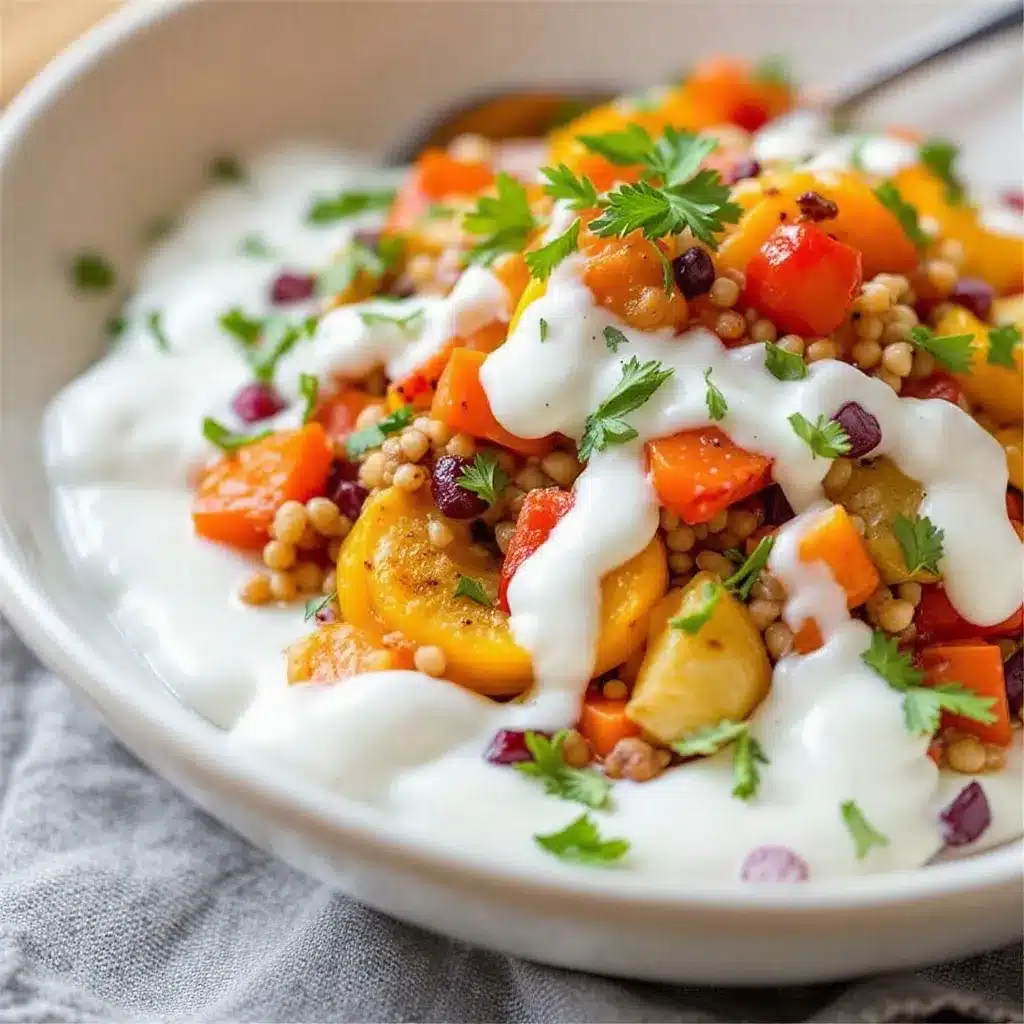
- Preheat your oven to 425°F. Get it nice and hot before the squash goes in. A hot oven is key for those crispy, caramelized edges. While it’s heating, line your baking sheet with parchment paper.
- Wash and dry the squash. Since we’re eating the skin, give it a good scrub under running water. Pat it dry with a clean kitchen towel. Any moisture on the surface will steam instead of roast, so dry it well.
- Trim the ends. Using your sharp chef’s knife, cut off about ¼ inch from both ends of each squash. This creates flat surfaces that make slicing easier and safer.
- Slice into rings or half-moons. Cut the squash crosswise into ½-inch thick rings. If the rings have large seed cavities, you can cut them in half to create half-moons. Either shape works; just keep them uniform in thickness so they cook evenly. Scoop out the seeds with a spoon—they pull out easily from delicata squash.
- Toss with oil and seasonings. In your mixing bowl, combine the squash rings with 1½ tablespoons of olive oil, ¼ teaspoon of salt, and the black pepper. Toss gently with your hands until every piece is coated. Don’t be shy—get in there and make sure the oil reaches all the nooks and crannies.
- Arrange on the baking sheet. Lay the squash pieces in a single layer, cut-side down if you’re using half-moons. Give them some space—crowding leads to steaming, not roasting. If they’re touching, they won’t get crispy. Use two sheets if you need to.
- Roast for 15 minutes. Set a timer. The squash should start browning on the bottom edges. Don’t flip them yet—we want that deep caramelization to develop.
- Make the maple glaze. While the squash roasts, whisk together the remaining ½ tablespoon of olive oil, 3 tablespoons of maple syrup, ¼ teaspoon of salt, the cinnamon (if using), and the red pepper flakes (if using) in a small bowl. Set it aside.
- Flip and glaze. After 15 minutes, remove the baking sheet from the oven. Carefully flip each piece using tongs or a spatula. Brush or drizzle the maple glaze over the top of each piece. Don’t drown them—a thin, even coating is all you need.
- Roast for another 8-10 minutes. Return the sheet to the oven and roast until the glaze is bubbling and the edges are deep golden brown and crispy. Watch them closely in the last few minutes—maple syrup can go from perfect to burnt really fast.
- Rest for 2 minutes. Let the squash sit on the baking sheet for a couple of minutes before transferring. The glaze will set slightly, and the squash will be easier to handle.
- Garnish and serve. Transfer to a serving platter. Sprinkle with fresh thyme leaves if you’re using them. Add a tiny pinch of flaky sea salt on top—trust me on this one. Serve warm or at room temperature.
One thing I learned the hard way: don’t skip the resting step. I was impatient once and tried to move the squash right away, and the glaze just slid off onto the cutting board. Let it set, and you’ll get that beautiful sticky coating that makes this dish so special.
Cooking Tips & Techniques
I’ve made this recipe at least a dozen times now, and I’ve definitely made some mistakes along the way. Here’s what I’ve learned so you don’t have to repeat my errors.
The biggest mistake I made was overcrowding the pan. The first time I made this, I crammed every piece onto one baking sheet because I didn’t want to wash two. Bad idea. The squash steamed instead of roasted, and those crispy edges I was after? Nowhere to be found. Give your squash room to breathe. If you have to use two sheets, use two sheets. Your future self will thank you.
Temperature matters more than you think. 425°F is the sweet spot. Lower temperatures won’t caramelize the sugars properly, and higher temperatures risk burning the maple syrup before the squash is tender. I tried 400°F once and the texture was fine, but the caramelization was definitely lacking. Stick with 425°F.
Cut your pieces uniformly. This is one of those cooking basics that actually makes a difference. If some pieces are ¼-inch thick and others are ¾-inch thick, they’re going to finish cooking at different times. I aim for ½-inch thickness on every piece. If I get a few that are slightly thinner, I keep an eye on them and pull them out early if needed.
Don’t be afraid of the salt. Salt isn’t just for seasoning—it actually helps draw out moisture from the surface of the squash, which promotes better browning. That’s why I season the squash before roasting and add a touch more salt to the glaze. The final sprinkle of flaky sea salt at the end isn’t just for looks; it creates a beautiful contrast with the sweet maple glaze.
Use the convection setting if you have it. Convection ovens circulate hot air, which means more even browning and crispier results. If you’re using convection, check the squash a few minutes earlier than the recipe suggests—convection ovens cook faster.
Make extra glaze if you want more coverage. The amount in this recipe gives a nice, light coating that lets the squash flavor shine through. If you want a thicker, more decadent glaze, feel free to double the maple syrup mixture. Just be careful not to oversaturate the squash—you want the edges to stay crispy, not soggy.
Variations & Adaptations
This recipe is surprisingly versatile, and I’ve experimented with quite a few variations over the past few weeks. Here are some of my favorites:
Savory Herb Version: Skip the cinnamon and red pepper flakes. Add 1 teaspoon of dried rosemary and ½ teaspoon of garlic powder to the maple glaze. Top with fresh parsley instead of thyme. This version pairs beautifully with roasted chicken or pork. I made this for a dinner party last week and it disappeared in minutes.
Spicy Maple Version: Increase the red pepper flakes to ¼ teaspoon and add a pinch of cayenne pepper. The heat builds gradually and creates this amazing sweet-spicy combo that’s honestly addictive. My husband, who usually avoids spicy food, actually loved this version. The maple really mellows out the heat.
Balsamic Maple Version: Replace 1 tablespoon of the maple syrup with balsamic vinegar. The acidity cuts through the sweetness and adds a tangy depth that’s really sophisticated. This version works great as a side for steak or alongside a spicy steak bowl for a complete meal.
Air Fryer Adaptation: If you’re short on time, you can make this in an air fryer. Cook at 375°F for about 12-15 minutes, flipping halfway through. Add the glaze in the last 5 minutes. The air fryer gives you even crispier edges, but you’ll need to work in batches to avoid overcrowding.
Substitute Other Winter Squash: If you can’t find delicata, acorn squash works well. Just peel it first since the skin is tougher. Butternut squash also works—cut it into ½-inch cubes instead of rings. The cooking time will be similar, but check for tenderness a few minutes early since different squash varieties have different densities.
Maple Alternatives: Honey, agave nectar, or even brown sugar dissolved in a tablespoon of water can replace the maple syrup. Each will give a slightly different flavor profile, but they all work. I tried honey once and it was delicious—more floral, less woodsy, but still really good.
Serving & Storage Suggestions
This squash is best served warm, right after it comes out of the oven. The edges are at their crispiest, and the glaze is still glossy and sticky. That said, it’s also delicious at room temperature, which makes it perfect for potlucks or holiday buffets where timing is tricky.
What to serve with it: This squash pairs beautifully with roasted chicken, pork chops, or a hearty grain bowl. I love serving it alongside a hearty Tuscan white bean soup on cold nights—the sweetness of the squash balances the savory, earthy soup perfectly. It’s also fantastic as part of a holiday spread alongside roasted turkey or ham.
For a vegetarian main dish: Toss the roasted squash with cooked quinoa, toasted walnuts, crumbled feta cheese, and a handful of arugula. Drizzle with any remaining maple glaze and serve warm. It’s filling, nutritious, and absolutely delicious.
Storage: Leftover squash keeps in an airtight container in the refrigerator for up to 4 days. The edges will soften over time, but the flavor still holds up. I actually like leftovers cold, straight from the fridge—the maple flavor concentrates even more.
Reheating: To restore some crispiness, reheat in a 375°F oven for 5-7 minutes. The microwave will work in a pinch, but it’ll make the squash soft and the glaze sticky rather than crispy. If you’re in a hurry, an air fryer at 350°F for 3-4 minutes works wonders.
Freezing: I don’t recommend freezing this dish. The texture of the squash changes significantly after freezing and thawing, and the glaze can become watery. If you must freeze, do so before adding the glaze, then glaze and roast when you’re ready to serve.
One thing I’ve noticed: the flavors actually deepen overnight. The maple syrup seeps into the squash more fully, and the spices meld together. So even though the texture isn’t as crispy the next day, the flavor is arguably better. It’s a trade-off, but a delicious one.
Nutritional Information & Benefits
Delicata squash isn’t just delicious—it’s actually really good for you. Here’s a rough breakdown for one serving (about half a squash):
- Calories: Approximately 180-200
- Carbohydrates: 28g
- Fiber: 4g
- Sugar: 16g (mostly from the maple syrup and natural squash sugars)
- Fat: 8g
- Vitamin A: 120% of daily value
- Vitamin C: 25% of daily value
- Potassium: 15% of daily value
Health benefits: Delicata squash is packed with beta-carotene, which your body converts to vitamin A for healthy vision and immune function. The fiber content helps with digestion and keeps you feeling full longer. Plus, the skin contains additional fiber and nutrients that you’d miss out on if you peeled other squash varieties.
Dietary considerations: This recipe is naturally gluten-free, dairy-free, and vegan (as long as you use pure maple syrup). It’s also relatively low in calories for how satisfying it is. If you’re watching your sugar intake, you can reduce the maple syrup to 2 tablespoons—the squash is sweet enough on its own that you won’t miss it much.
Potential allergens: None of the common allergens are present in this recipe, but always check your specific brand of maple syrup and olive oil if you have sensitivities.
I personally love that this recipe feels indulgent but is actually pretty wholesome. It’s the kind of dish that satisfies your sweet tooth while still being a vegetable. That’s a win in my book.
Conclusion
This crispy maple glazed roasted delicata squash has honestly become one of my favorite recipes to make and share. It’s one of those rare dishes that feels both special and approachable—impressive enough for company but simple enough for a Tuesday night.
The best part? You can tweak it endlessly based on what you’re craving or what you have on hand. Spicy, savory, herby, or straight-up sweet—this recipe adapts to whatever mood you’re in. I’ve made it for holiday dinners, casual weeknight meals, and everything in between, and it never disappoints.
I’d love to hear how yours turns out. Did you try any variations? Serve it with something unexpected? Found a new favorite way to eat squash? Drop a comment below and let me know—I genuinely read every single one. And if you share a photo on social media, tag me so I can see your beautiful creation.
Here’s to crispy edges, sticky maple goodness, and squash that actually gets devoured. Happy cooking, friends!
Frequently Asked Questions
Do I really need to eat the skin of delicata squash?
Yes, and that’s honestly the best part! The skin is thin, tender, and completely edible once roasted. It adds texture and holds the squash rings together nicely. Plus, you save yourself the hassle of peeling, which is always a win in my book. If you’re really not sure about it, try one piece with the skin on and see what you think. I bet you’ll be converted.
Can I use butternut squash instead of delicata?
Absolutely, but you’ll need to peel it first since butternut skin is too tough to eat. Cut it into ½-inch cubes or wedges instead of rings. The cooking time will be similar, but keep an eye on it—butternut can be a bit denser and might need an extra 2-3 minutes. The flavor is slightly different but still delicious with the maple glaze.
Why did my maple glaze burn in the oven?
Maple syrup has a lower smoke point than you might expect, so it can burn if it’s exposed to high heat for too long. That’s why I recommend adding the glaze in the last 8-10 minutes of roasting rather than at the beginning. If your oven runs hot, check the squash at the 6-minute mark after glazing. Also, make sure your glaze is spread thinly—thick pools of syrup will definitely burn before the squash is done.
Can I make this recipe ahead of time?
You can prep the squash up to a day ahead by slicing it and storing it in an airtight container in the refrigerator. Don’t toss it with oil or seasonings until you’re ready to roast, or it’ll get soggy. The glaze can also be made ahead and stored in the fridge. For best results, roast the squash fresh, but leftovers keep well for 3-4 days in the refrigerator.
Is this recipe vegan and gluten-free?
Yes, as written, this recipe is both vegan and gluten-free. Just make sure you’re using pure maple syrup (not honey or a maple-flavored syrup that might contain additives). All the other ingredients are naturally plant-based and gluten-free. If you’re serving it to someone with celiac disease, double-check that your spices and seasonings are certified gluten-free, as cross-contamination can sometimes occur.
Pin This Recipe!
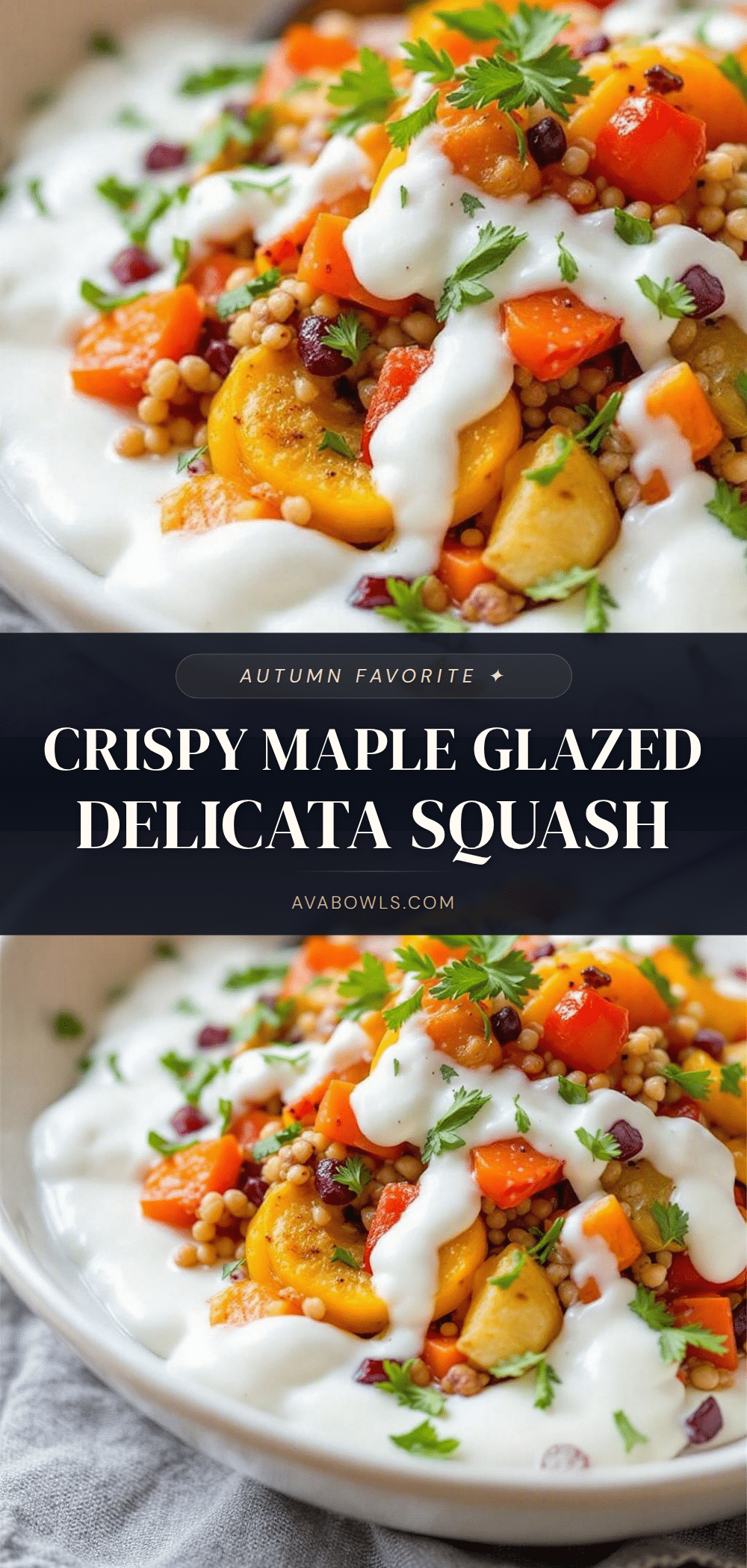
Best Easy Crispy Maple Glazed Roasted Delicata Squash Recipe

This crispy maple glazed roasted delicata squash has become our go-to fall side dish. The edges get all caramelized and crunchy, while the inside stays tender and almost buttery, with a maple glaze that seeps into every little ridge and crevice.
- Prep Time: 10 minutes
- Cook Time: 25 minutes
- Total Time: 35 minutes
- Yield: 4 servings 1x
- Category: Side Dish
- Cuisine: American
Ingredients
- 2 medium delicata squash (about 1½ pounds total)
- 3 tablespoons pure maple syrup
- 2 tablespoons extra virgin olive oil
- ½ teaspoon kosher salt (use ¼ teaspoon if using fine table salt)
- ¼ teaspoon freshly ground black pepper
- ¼ teaspoon cinnamon (optional)
- ⅛ teaspoon red pepper flakes (optional)
- 4–5 fresh thyme sprigs (optional, for garnish)
Instructions
- Preheat your oven to 425°F. Line a baking sheet with parchment paper.
- Wash and dry the squash. Pat it dry thoroughly.
- Trim about ¼ inch from both ends of each squash.
- Slice the squash crosswise into ½-inch thick rings. If rings have large seed cavities, cut them in half to create half-moons. Scoop out the seeds with a spoon.
- In a mixing bowl, combine the squash rings with 1½ tablespoons of olive oil, ¼ teaspoon of salt, and the black pepper. Toss gently with your hands until every piece is coated.
- Arrange the squash pieces in a single layer on the prepared baking sheet, cut-side down if using half-moons. Give them space to avoid crowding.
- Roast for 15 minutes.
- While the squash roasts, whisk together the remaining ½ tablespoon of olive oil, 3 tablespoons of maple syrup, ¼ teaspoon of salt, the cinnamon (if using), and the red pepper flakes (if using) in a small bowl. Set aside.
- After 15 minutes, remove the baking sheet from the oven. Carefully flip each piece using tongs or a spatula. Brush or drizzle the maple glaze over the top of each piece.
- Roast for another 8-10 minutes, until the glaze is bubbling and the edges are deep golden brown and crispy.
- Let the squash rest on the baking sheet for 2 minutes before transferring.
- Transfer to a serving platter. Garnish with fresh thyme leaves and a tiny pinch of flaky sea salt if desired. Serve warm or at room temperature.
Notes
Don’t skip the resting step after roasting; it allows the glaze to set. For best results, avoid overcrowding the pan. Use convection setting if available for crispier results. The flavors deepen overnight.
Nutrition
- Serving Size: ½ squash
- Calories: 190
- Sugar: 16
- Sodium: 300
- Fat: 8
- Saturated Fat: 1
- Carbohydrates: 28
- Fiber: 4
- Protein: 2
Keywords: delicata squash, maple glazed, roasted squash, fall side dish, crispy squash, easy recipe, vegetarian, gluten-free, vegan