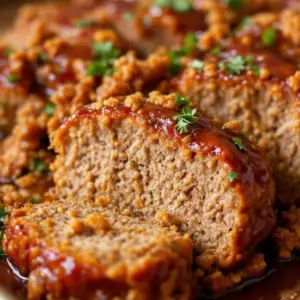
Third time in two weeks and I finally stopped adding the apple cider too early. That first batch? The pork came out tough and the liquid had this weird, sharp edge to it. Second time I got the timing closer but the sauce was thin, like apple-flavored water. But this third attempt—where I let the pork brown properly, deglazed the pan until the browned bits actually released, and added the cider only after the aromatics had softened—that one made me stop mid-bite and just stare at the fork.
I wasn’t trying to reinvent anything. I just wanted a weeknight dinner that didn’t feel like a compromise. Something that tasted like it had been simmering for hours but actually came together in under an hour. The kind of meal you serve and people get quiet because they’re too busy eating to talk. And honestly? These apple cider braised pork chops delivered that in a way I didn’t expect from a one-pan recipe.
There’s something about the way pork absorbs apple cider. It’s not sweet in a dessert way—it’s savory-sweet, with this background tang that cuts through the richness of the meat. The pork gets fork-tender, the onions melt into the sauce, and by the time you’re done, there’s almost nothing left in the pan worth washing. That’s the kind of recipe that earns a permanent spot in your rotation.
Why You’ll Love This Recipe
I’ve tested this recipe more times than I care to admit, and here’s what I’ve learned: it works because it doesn’t try to be fancy. It’s straightforward, forgiving, and delivers results that taste like you put in way more effort than you actually did.
- One Pan, Minimal Mess: Everything happens in a single skillet. Brown the pork, cook the aromatics, build the sauce, and braise until tender. That’s it. Less cleanup means more time actually enjoying your meal.
- Simple Ingredients: You probably already have most of these in your kitchen. Apples, onion, garlic, apple cider, broth, and a few pantry spices. No specialty items, no obscure ingredients you’ll use once and forget about.
- Perfect for Busy Weeknights: From start to finish, this takes about 45 minutes. Most of that is hands-off braising time where you can prep a side dish or just sit down for a minute.
- Crowd-Pleaser: I’ve served this to picky eaters, dinner guests, and my own skeptical family. Every single time, the pan comes back empty. Kids love the subtle sweetness, adults appreciate the depth of flavor.
- Unbelievably Tender: The braising process breaks down the pork until it’s fall-apart tender. No dry, overcooked pork chops here. Just juicy, flavorful meat that practically melts.
What sets this recipe apart is the technique. Most braised pork chop recipes either overcook the meat or end up with a watery sauce. I’ve dialed in the exact timing and temperature so you get perfectly cooked pork every time. The secret? Searing the chops until deeply golden, then braising them low and slow in a mixture of apple cider and broth. The result is a sauce that’s thick, glossy, and packed with flavor.
What Ingredients You Will Need
This recipe uses simple, everyday ingredients that work together to create something special. No complicated shopping lists or hard-to-find items. Just real food that tastes amazing.
- Bone-in pork chops (4 chops, about 1 inch thick): Bone-in chops stay juicier during cooking and have more flavor. Look for chops with good marbling. If you only have boneless, reduce cooking time by about 5 minutes.
- Salt and black pepper: For seasoning the pork. Use kosher salt if you have it—it seasons more evenly.
- Olive oil (2 tablespoons): For searing. Avocado oil works too if you prefer a higher smoke point.
- Unsalted butter (2 tablespoons): Adds richness to the sauce. You can use salted butter, just reduce the added salt slightly.
- Yellow onion (1 large, thinly sliced): Sweetens as it cooks and forms the base of the sauce. White or red onion work in a pinch.
- Garlic (4 cloves, minced): Fresh garlic is non-negotiable here. The jarred stuff just won’t give you the same depth.
- Apple cider (1 cup): The star of the show. Use fresh apple cider if you can find it—it’s less processed and has a brighter flavor than apple juice. I really like the unfiltered cider from local orchards when it’s in season.
- Chicken broth (1/2 cup): Low-sodium is best so you can control the salt level. Vegetable broth works too.
- Apple cider vinegar (1 tablespoon): Balances the sweetness and adds brightness. Don’t skip it—it’s what keeps the sauce from tasting one-dimensional.
- Dijon mustard (1 tablespoon): Adds a subtle tang and helps emulsify the sauce. Whole grain mustard works too if you want more texture.
- Fresh thyme (4-5 sprigs): Earthy and aromatic. Dried thyme works in a pinch—use about 1 teaspoon.
- Bay leaf (1): Adds subtle depth. Remove before serving.
- Honey or brown sugar (1 tablespoon, optional): Only if your apple cider isn’t sweet enough. I usually don’t need it, but taste your cider first and adjust.
- Fresh parsley (for garnish): Optional but nice for color.
Equipment Needed
You don’t need a fancy kitchen to make this recipe. Here’s what you’ll need:
- Large skillet or Dutch oven (12-inch): A heavy-bottomed pan works best for even heat distribution. Cast iron is ideal, but stainless steel or non-stick works too. Just make sure it has a lid.
- Tongs: For flipping the pork chops without piercing them. Trust me, you want tongs, not a fork.
- Cutting board and sharp knife: For slicing the onion and mincing garlic.
- Measuring cups and spoons: For accurate ingredient measurements.
- Wooden spoon or spatula: For stirring and scraping up the browned bits from the pan.
- Instant-read thermometer: Optional but highly recommended for perfectly cooked pork. The USDA says 145°F, and I aim for about 140°F since carryover cooking will bring it up.
If you don’t have a lid that fits your skillet, a sheet of aluminum foil works as a makeshift cover. I’ve done it more times than I’d like to admit, and it works just fine.
Preparation Method
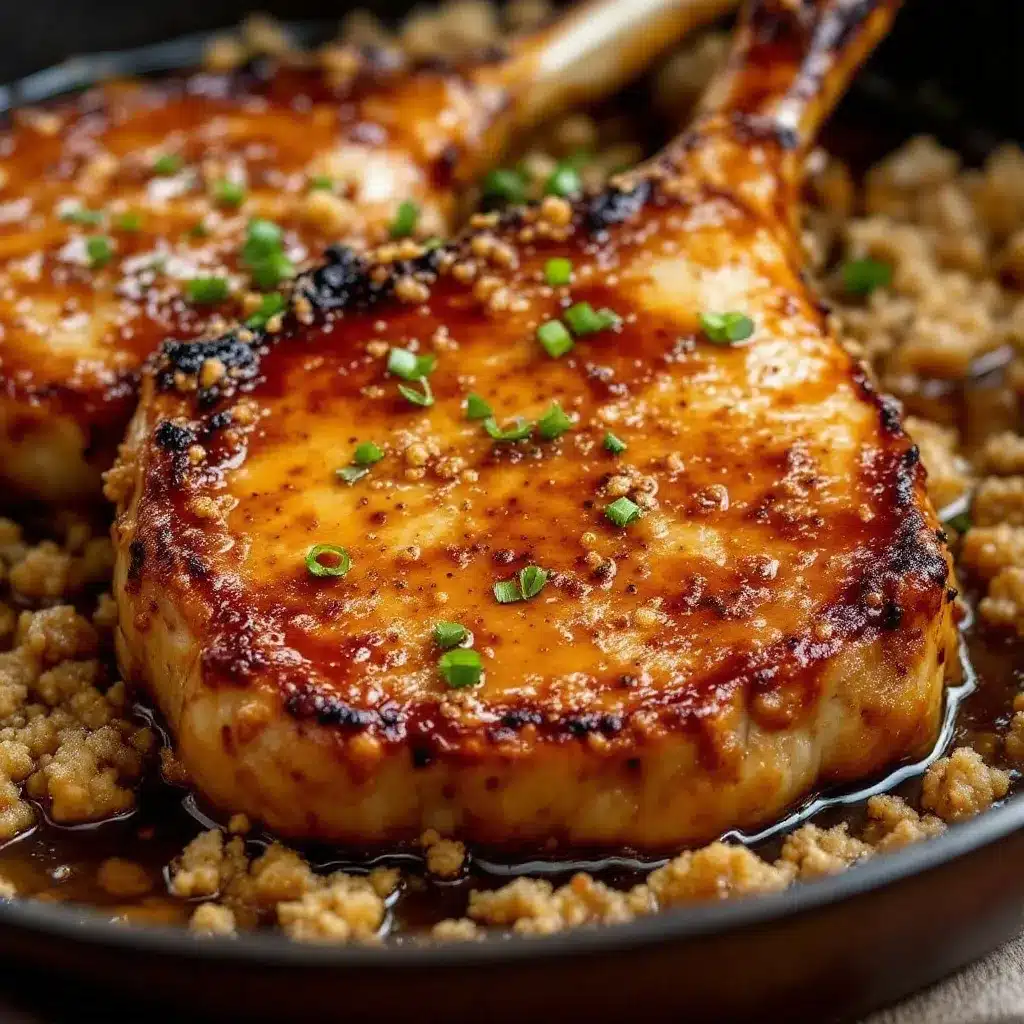
- Prep the pork chops: Pat the pork chops dry with paper towels. This is crucial—wet meat won’t brown properly. Season generously on both sides with salt and pepper. Let them sit at room temperature for 15-20 minutes while you prep the other ingredients.
- Heat the pan: Place your skillet over medium-high heat and add the olive oil. Wait until the oil is shimmering and almost smoking—about 2-3 minutes. You want that pan hot enough to create a good sear.
- Sear the pork chops: Carefully place the pork chops in the hot pan. Don’t crowd them—if your pan is small, do this in batches. Let them cook undisturbed for 4-5 minutes until the underside is deep golden brown. Flip and cook another 3-4 minutes. The goal here is color, not doneness. Transfer the chops to a plate and set aside.
- Cook the aromatics: Reduce the heat to medium. Add the butter to the pan. Once it melts, add the sliced onion. Cook for 5-6 minutes, stirring occasionally, until the onion is soft and translucent. Scrape up any browned bits from the bottom of the pan as the onion releases moisture—that’s where all the flavor lives.
- Add garlic and seasonings: Stir in the minced garlic and cook for 30-60 seconds until fragrant. Don’t let it burn or it’ll turn bitter.
- Build the braising liquid: Pour in the apple cider, chicken broth, apple cider vinegar, and Dijon mustard. Add the fresh thyme sprigs and bay leaf. Stir everything together, scraping up any remaining browned bits. Bring the liquid to a gentle simmer.
- Return the pork chops: Nestle the seared pork chops back into the skillet, along with any juices that accumulated on the plate. The liquid should come about halfway up the sides of the chops. If it doesn’t, add a splash more broth.
- Braise: Reduce the heat to low, cover the skillet with a lid, and let it simmer gently for 25-30 minutes. The liquid should be at a low bubble, not a rolling boil. Check once or twice to make sure the liquid hasn’t evaporated too much—add a splash of broth if needed.
- Check doneness: After 25 minutes, test the pork with an instant-read thermometer. You’re looking for 145°F in the thickest part. If they need more time, re-cover and cook another 5 minutes. If they’re done, remove the chops to a plate and tent with foil.
- Finish the sauce: Increase the heat to medium-high and let the sauce simmer uncovered for 5-7 minutes until it thickens slightly. Taste and adjust seasoning—add a pinch of salt, a crack of pepper, or a drizzle of honey if it needs more sweetness. Remove the thyme sprigs and bay leaf.
- Serve: Return the pork chops to the skillet, spooning the sauce and onions over the top. Garnish with fresh parsley if using. Serve immediately.
Cooking Tips & Techniques
I learned most of these the hard way—through batches that didn’t quite work out. Here’s what I wish someone had told me:
Don’t skip the sear. That deep golden crust isn’t just for looks. It adds a layer of savory flavor that you can’t get any other way. If your pork chops are sticking to the pan, they’re not ready to flip. Give them another minute and they’ll release naturally.
Watch your heat during braising. The liquid should be at a gentle simmer, not a vigorous boil. If it’s bubbling too hard, the pork will toughen up instead of getting tender. Low and slow is the name of the game here.
Let the pork rest. I know it’s tempting to dig in right away, but letting the chops rest for 5 minutes under foil makes a huge difference. The juices redistribute and you end up with moister meat.
Adjust the sweetness to your taste. Some apple ciders are naturally sweeter than others. Taste your braising liquid before adding any extra sweetener. I’ve had batches where the cider was perfect on its own and others where I needed a tablespoon of honey to balance the acidity.
Don’t rush the sauce. That last step where you let the sauce reduce uncovered is where the magic happens. The liquid transforms from thin and watery to thick and glossy. Be patient—it’s worth the extra 5 minutes.
One mistake I still make: Overcrowding the pan during searing. If you cram too many chops in at once, they steam instead of sear. Do them in batches if you need to. It takes a few extra minutes but the results are noticeably better.
Variations & Adaptations
This recipe is surprisingly flexible. Here are some ways to make it your own:
Herb swap: Not a fan of thyme? Try rosemary or sage instead. Both pair beautifully with apple and pork. Use about 2 sprigs of rosemary or 4-5 fresh sage leaves.
Add apples: For extra apple flavor, add 1-2 sliced apples (Honeycrisp or Granny Smith work great) to the pan along with the onions. They’ll soften during braising and add a lovely texture to the sauce.
Make it creamy: Stir in 1/4 cup of heavy cream at the end, after you’ve removed the pork. Let it warm through for 2-3 minutes, then spoon over the chops. It makes the sauce rich and velvety.
Spice it up: Add 1/2 teaspoon of red pepper flakes along with the garlic for a subtle kick. Or stir in a pinch of smoked paprika for a deeper, smokier flavor.
Dietary adaptations: This recipe is naturally gluten-free. For a dairy-free version, use olive oil instead of butter. For a lower-sugar option, use a dry hard cider instead of sweet apple cider—the flavor will be more savory but still delicious.
Different cooking methods: You can adapt this for a slow cooker. Sear the pork and cook the onions in a skillet first, then transfer everything to the slow cooker and cook on low for 4-6 hours. Thicken the sauce on the stovetop before serving.
I once made a version with spicy steak bowl-inspired seasonings—added chipotle powder and cumin to the braising liquid. It was surprisingly good, though it definitely strayed from the classic apple cider flavor profile.
Serving & Storage Suggestions
These apple cider braised pork chops are incredibly versatile when it comes to sides. Here’s what I recommend:
What to serve with them: Mashed potatoes are the classic choice—they soak up that amazing sauce perfectly. Buttered egg noodles, creamy polenta, or crusty bread for dipping are all excellent options. For something lighter, try roasted Brussels sprouts, steamed green beans, or a simple arugula salad with a lemon vinaigrette. The slight bitterness of the greens balances the sweetness of the sauce. If you’re in the mood for something cozy, this pairs beautifully with a bowl of hearty Tuscan white bean soup with kale on the side.
Serving temperature: Serve the pork chops hot, straight from the skillet. Spoon plenty of the sauce and caramelized onions over each chop. A sprinkle of fresh parsley adds a nice pop of color.
Storage: Leftovers keep well in an airtight container in the refrigerator for up to 4 days. The flavors actually meld and deepen overnight, so they might taste even better the next day.
Reheating: The best way to reheat is gently on the stovetop. Place the pork chops and sauce in a skillet over low heat, cover, and warm for 5-7 minutes. Add a splash of broth or water if the sauce has thickened too much. You can also reheat individual portions in the microwave, but the meat won’t be as tender.
Freezing: These freeze well for up to 3 months. Let the pork and sauce cool completely, then transfer to a freezer-safe container. Thaw overnight in the refrigerator before reheating.
How flavors develop: Like most braised dishes, this one gets better with time. The apple flavor mellows and integrates with the pork, and the onions practically melt into the sauce. I’ve been known to make a double batch just so I have leftovers for lunch the next day.
Nutritional Information & Benefits
Per serving (1 pork chop with sauce):
- Calories: 380
- Protein: 35g
- Fat: 18g
- Saturated Fat: 6g
- Carbohydrates: 18g
- Fiber: 2g
- Sugar: 12g
- Sodium: 520mg
These values are estimates and will vary based on the specific ingredients you use and the size of your pork chops.
Health benefits: Pork is an excellent source of high-quality protein, B vitamins (especially B12 and B6), and minerals like zinc and selenium. Apple cider contains antioxidants and may support digestive health. Onions and garlic are known for their anti-inflammatory properties. This meal is naturally gluten-free and can easily be made dairy-free.
Dietary considerations: This recipe is gluten-free, nut-free, and egg-free. For a lower-carb option, skip the honey or brown sugar and serve with roasted vegetables instead of potatoes. For a lower-fat version, use less butter and trim the fat from the pork chops before cooking.
My take: This is comfort food that doesn’t leave you feeling weighed down. It’s satisfying and rich without being heavy. A serving of this with a side of roasted vegetables makes for a balanced, nourishing meal that actually keeps you full for hours.
Conclusion
These easy apple cider braised pork chops have become my go-to for busy nights when I want something that feels special without the fuss. The one-pan cleanup is a bonus, but honestly, it’s the flavor that keeps me coming back. That combination of tender pork, sweet-tangy sauce, and soft caramelized onions is just hard to beat.
What I love most about this recipe is how adaptable it is. You can dress it up for company or keep it simple for a Tuesday night. It works with whatever apples you have, whatever herbs are in your fridge, whatever sides you’re in the mood for. It’s the kind of recipe that becomes yours after you make it a few times—you start tweaking it, adding your own touches, making it fit your kitchen and your taste.
I’d love to hear how yours turn out. Did you add anything? Change something? Serve it with something unexpected? Drop a comment below and let me know. And if you’re looking for another one-pan meal to add to your rotation, this creamy lemon ricotta pasta with fresh peas and mint is a fantastic option for nights when you want something quick and satisfying.
Happy cooking, friends. Go make something delicious.
Frequently Asked Questions
Can I use boneless pork chops instead of bone-in?
Yes, you can. Boneless chops cook faster, so reduce the braising time by about 5 minutes. Keep an eye on the internal temperature—you’re looking for 145°F. Boneless chops also tend to be leaner, so be careful not to overcook them or they’ll dry out.
What if I don’t have apple cider? Can I use apple juice?
Apple juice works in a pinch, but the flavor won’t be as rich or complex. Apple cider is less processed and has a deeper, more authentic apple taste. If using apple juice, consider adding an extra tablespoon of apple cider vinegar to balance the sweetness.
How do I know when the pork chops are done without a thermometer?
If you don’t have an instant-read thermometer, look for these signs: the meat should be firm to the touch but still have a little give, the juices should run clear when you pierce the thickest part, and the meat should pull away from the bone easily (if using bone-in chops). When in doubt, err on the side of slightly underdone—you can always cook it more, but you can’t uncook it.
Can I make this recipe ahead of time?
Absolutely. In fact, the flavors get even better overnight. Make the recipe as directed, let it cool, and store it in the refrigerator. Reheat gently on the stovetop before serving. You may need to add a splash of broth to thin the sauce back out.
What’s the best way to thicken the sauce if it’s too thin?
If your sauce is thinner than you’d like after braising, let it simmer uncovered for a few more minutes. The liquid will reduce and concentrate. If it’s still too thin, mix 1 teaspoon of cornstarch with 2 teaspoons of cold water to make a slurry, then stir it into the simmering sauce. It’ll thicken almost immediately.
Pin This Recipe!

Easy One-Pan Apple Cider Braised Pork Chops

Tender, fall-apart pork chops braised in a savory-sweet apple cider sauce with caramelized onions. This one-pan weeknight dinner comes together in under an hour and delivers deep, comforting flavor with minimal cleanup.
- Prep Time: 15 minutes
- Cook Time: 30 minutes
- Total Time: 45 minutes
- Yield: 4 servings 1x
- Category: Main Course
- Cuisine: American
Ingredients
- 4 bone-in pork chops (about 1 inch thick)
- Salt and black pepper, to taste
- 2 tablespoons olive oil
- 2 tablespoons unsalted butter
- 1 large yellow onion, thinly sliced
- 4 cloves garlic, minced
- 1 cup apple cider
- 1/2 cup low-sodium chicken broth
- 1 tablespoon apple cider vinegar
- 1 tablespoon Dijon mustard
- 4–5 sprigs fresh thyme
- 1 bay leaf
- 1 tablespoon honey or brown sugar (optional)
- Fresh parsley for garnish (optional)
Instructions
- Pat the pork chops dry with paper towels and season generously on both sides with salt and pepper. Let sit at room temperature for 15-20 minutes.
- Heat olive oil in a large skillet or Dutch oven over medium-high heat until shimmering, about 2-3 minutes.
- Sear the pork chops for 4-5 minutes per side until deep golden brown. Transfer to a plate and set aside.
- Reduce heat to medium. Add butter to the pan, then add sliced onion. Cook for 5-6 minutes, stirring occasionally, until soft and translucent. Scrape up any browned bits from the bottom of the pan.
- Stir in minced garlic and cook for 30-60 seconds until fragrant.
- Pour in apple cider, chicken broth, apple cider vinegar, and Dijon mustard. Add thyme sprigs and bay leaf. Stir and bring to a gentle simmer.
- Return the pork chops to the skillet along with any accumulated juices. The liquid should come about halfway up the sides of the chops.
- Reduce heat to low, cover, and simmer gently for 25-30 minutes until the pork reaches an internal temperature of 145°F.
- Remove the pork chops to a plate and tent with foil. Increase heat to medium-high and let the sauce simmer uncovered for 5-7 minutes until thickened. Remove thyme sprigs and bay leaf. Taste and adjust seasoning.
- Return pork chops to the skillet, spoon sauce and onions over the top. Garnish with fresh parsley if desired. Serve immediately.
Notes
Don’t skip the sear—it adds essential flavor. Keep the braising liquid at a gentle simmer, not a boil. Let the pork rest for 5 minutes before serving. Adjust sweetness based on your apple cider; some are naturally sweeter than others. For a thicker sauce, let it simmer uncovered longer or use a cornstarch slurry.
Nutrition
- Serving Size: 1 pork chop with sau
- Calories: 380
- Sugar: 12
- Sodium: 520
- Fat: 18
- Saturated Fat: 6
- Carbohydrates: 18
- Fiber: 2
- Protein: 35
Keywords: apple cider pork chops, one-pan pork chops, braised pork chops, easy weeknight dinner, fall recipe, pork chop recipe